Wyclef Jean Song and a Colosseum First: Inside the Making of 'The Greatest'
"The Greatest" became the first TV show to shoot inside Rome's Colosseum, its team revealed at IndieWire's Consider This — on what Ben Watkins calls a modest budget.

Programme
- The eight-episode limited series The Greatest is streaming on Prime Video.
- Watkins said the show became the first television series ever to shoot inside the Colosseum in Rome.
- Editor Steve Lang said the team went through about 120 songs for the Olympic boxing sequence.
- Wyclef Jean's original track 'Gladiator' became the show's first cue, its last song and its main title music.
- Composer Stanley A. Smith said the live string ensemble was 60 to 40 percent female.
Prime Video's Muhammad Ali series "The Greatest" became the first television show ever to shoot inside the Colosseum in Rome — one of several feats its creators say they were told were impossible. Creator Ben Watkins laid out the story at IndieWire's Consider This event at Pacific Design Center, presented in partnership with Prime Video, alongside editor Steve Lang, costume designer Marci Rodgers, production designer Elisa Suavé, composer Stanley A. Smith, music editor Jordan Wiggins and music supervisor Robin Urdang.
The eight-episode limited series tracks its protagonist's rise from Olympic gold medalist Cassius Clay to heavyweight champion Muhammad Ali. It was made with the blessing of Ali's family, and that approval hinged on honesty, Watkins said.
What did Watkins pitch to Lonnie Ali?
"One of the things I want to do is humanize Muhammad Ali because everybody sort of pictures him as a fully formed icon and legend. And I want to disconnect people from that and introduce them to a kid who just had a dream," Watkins said. "But that means I got to show all of him. I got to show flaws and fears and vulnerabilities and tell the truth like that. And it's sometimes messy."
He recalled pitching that approach to the boxer's widow, Lonnie Ali. "Her response was, 'That's what I want too,' because that will make him more relatable," he said — the quality he argues will make the story fresh for a younger generation and for those who already love Ali.
How did music shape the series?
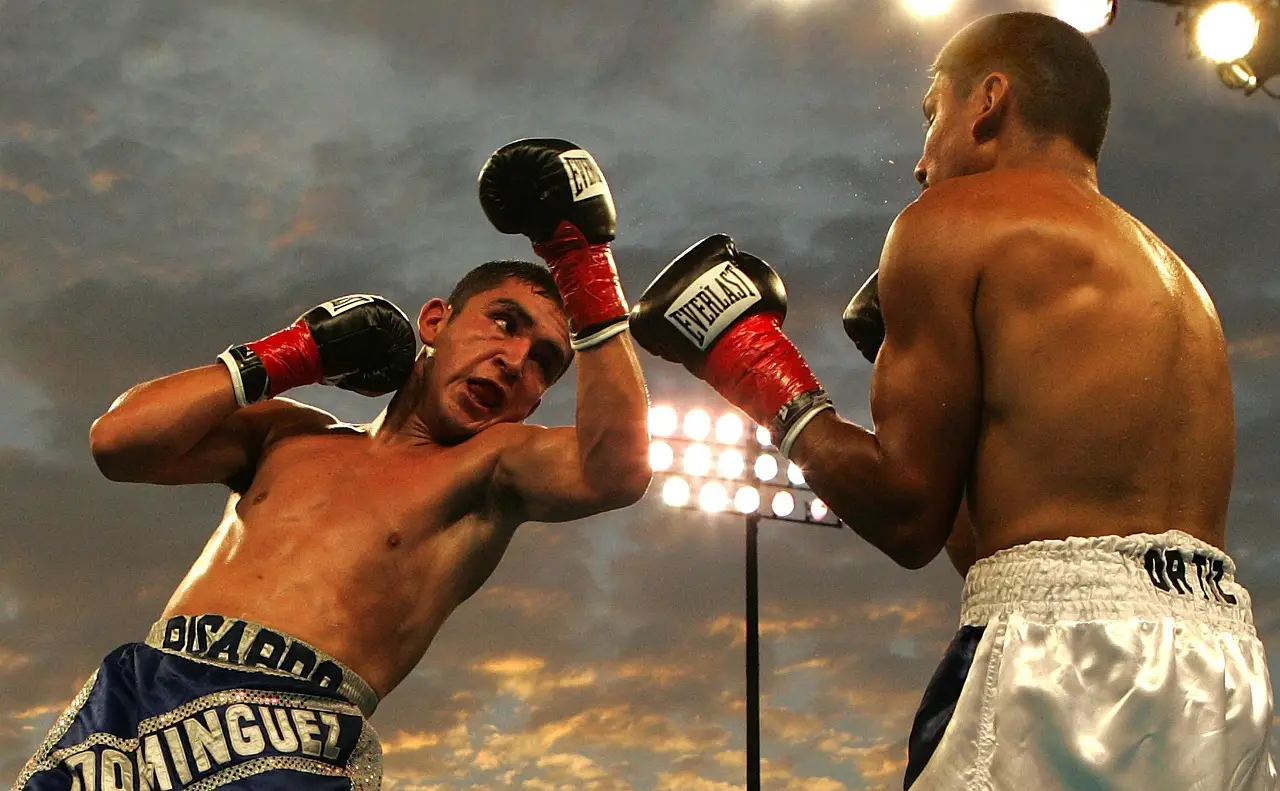
Contemporary music gave the series its freshness, but it complicated post-production. The Olympic boxing sequences layered commentary, the fight, crowd reactions and a song on top of one another. "I think we went through about 120 songs," Lang said of the search for the series opener's key track.
Urdang, who joined during post rather than pre-production, faced an immediate demand for an original song. "I said, 'We can't get it until we create the sound of the show because there's no sound of the show right now,'" she said.
The eventual answer came from Grammy winner Wyclef Jean. "There was a poem that [Ali] hears about a gladiator talking about his time in the Colosseum. Ben mentions that to Wyclef, who then takes those lyrics and turns them into the song that you hear during that fight," Lang said. The track, titled "Gladiator," became the first music cue and the last song used in the show. "It ended up in two spots in episode one, and then it also became the main title [music]," Wiggins said.
What happened at the Colosseum?
Rodgers faced what she called one of her greatest challenges on the shoot: a quick change executed on camera in the Colosseum, in what was also the first scene. She called her mentor, Paul Tazewell, who walked her through a process in which Ali's suit is removed as the camera circles him.
"Those are the things that they said would not be possible," Watkins said. "Then the first production meeting I said, 'Hey, I want to do a shot where he's in a suit and as we're circling, it all goes away.'" He doubted the shot could be pulled off — until Rodgers said, "No, we're going to figure out a way to build a suit, to do it in a way to get the shot off."
Suavé's team then went further, recreating a 1960s-level Italian neighborhood around the location. "Hey, we're in Rome now, so let's get the most out of it," Watkins recalled. "And they got us all of that, all things they said they couldn't get."
How analog was the production?
Suavé described an entirely handmade world. "When you look at the world in the '50s and the '60s, there was no digital anything. Every single sign, every single thing you think was made by our scenic artists by hand, not with projections that they were copying," she said. Her team made the molds for the parking meters and created the gold medals. "There was not one world that we didn't touch or create," she added.
The score stayed analog too. "We use all live musicians in this score," Smith said. "No AI," Urdang added. Smith credited Watkins with securing the budget for live string players, and said the ensemble was chosen deliberately: predominantly musicians of color, and "60 to 40 percent female," to match the tone the team wanted.
What does this change for TV budgets?
Watkins closed the panel with a claim that stress-tests the whole enterprise: "We took what I would say is a modest television budget and we made a high budget film." No figures were given for that budget, and the panel offered no independent check on the Colosseum first or the scope of the recreation. What is verifiable: "The Greatest" is streaming now on Prime Video, with Wyclef Jean's "Gladiator" as its opening and title music.
Original: pmc.com
More from Tom Whitfield
Show full bio
Market editor covering people, launches and day-to-day practice in arts in the broadest sense at Arts & Voices.
1,043 articles