'Yellow Chrysanthemum' Brings Japanese-Brazilian Grief to Tokyo Market
André Hayato Saito's debut feature, set during the 2014 World Cup in São Paulo, joins the Tokyo Gap-Financing Market seeking partners to close its financing gap across Asia.
Programme
- "Yellow Chrysanthemum," the debut feature of André Hayato Saito, is a Brazil-Japan-Germany-France co-production now in pre-production.
- Saito's short "Amarela" competed at Cannes 2024, was Oscar-shortlisted at the 98th Academy Awards and won a Grande Otelo Award.
- The team plans to film a key sequence at a Toro Nagashi ceremony in Brazil in November this year.
- The project won the TorinoFilmLab Production Award and was selected for Focus Copro at Cannes.
- The Tokyo Gap-Financing Market runs as part of TIFFCOM, attached to the Tokyo International Film Festival.
A debut feature set in São Paulo in July 2014, while Brazil staged the World Cup, has joined this year's Tokyo Gap-Financing Market. "Yellow Chrysanthemum," the first feature from Japanese-Brazilian director André Hayato Saito, follows a 16-year-old girl confronting a family loss that no one will discuss. A co-production between Brazil, Japan, Germany and France, the project is now in pre-production after several years of development.
The film centers on Erika, a third-generation Japanese-Brazilian teenager who feels like an outsider in the country of her birth and wants nothing to do with her family's roots. Her rejection stems from an old wound. When Erika was 7, her cousin Yam — also her closest friend — vanished during a traditional festival in the Liberdade neighborhood while Erika's mother was looking after the children. The family has been locked in guilty silence ever since.
Erika's friendship with Bianca, a Black classmate mourning the recent death of her mother, stirs up the feelings she has long pushed down. Bianca makes no secret of her grief. As the two girls grow closer, Erika's family can no longer avoid confronting Yam's absence.
Where does the story come from?
Saito drew on his own upbringing in a Japanese-Brazilian household, where he came to see how silence could express love and respect while also hiding pain. "I vividly remember being a little boy, sitting in the bathroom with my father, when I suddenly asked him where we go after we die. He paused for a moment and answered with a long and profound silence," Saito said.
His short films have dealt with grief, memory, identity and life between two cultures, and he describes the feature as a continuation of that work. One of those shorts, "Amarela," also follows a Japanese-Brazilian teenager named Erika who turns her back on her family's traditions — this time across a World Cup final between Brazil and France. The short competed for the short film Palme d'Or at Cannes in 2024, was shortlisted for the live-action short Oscar at the 98th Academy Awards, and won best live-action short at Brazil's Grande Otelo Awards.
"Amarela" forms part of a trilogy of shorts, alongside "Kokoro to Kokoro" and "Vento Dourado," which Saito made with São Paulo-based MyMama Entertainment.
The director sets deliberate limits on what the film will resolve. "I don't want to offer easy answers or a conventional sense of closure. I hope audiences will recognize something of their own families in Erika's journey, regardless of their cultural backgrounds, and reflect on the things that remain unspoken in their own lives," Saito said.
What does the Tokyo market change for the project?
"Yellow Chrysanthemum" took part in TorinoFilmLab, where it won the TorinoFilmLab Production Award, and was selected for Focus Copro at Cannes. MyMama Entertainment is developing the film with One Two Films, Loaded Films and Blue Monday. In Tokyo, the team aims to close the remaining financing gap and connect with producers, distributors and sales agents who could carry the film to audiences across Asia.
Producer Mayra Faour Auad, founder of MyMama Entertainment, produced "Amarela" and has more than 20 credits, most of them international co-productions. "Given the film's Japanese-Brazilian roots, finding an audience in Japan has particular meaning for us," Faour Auad said.
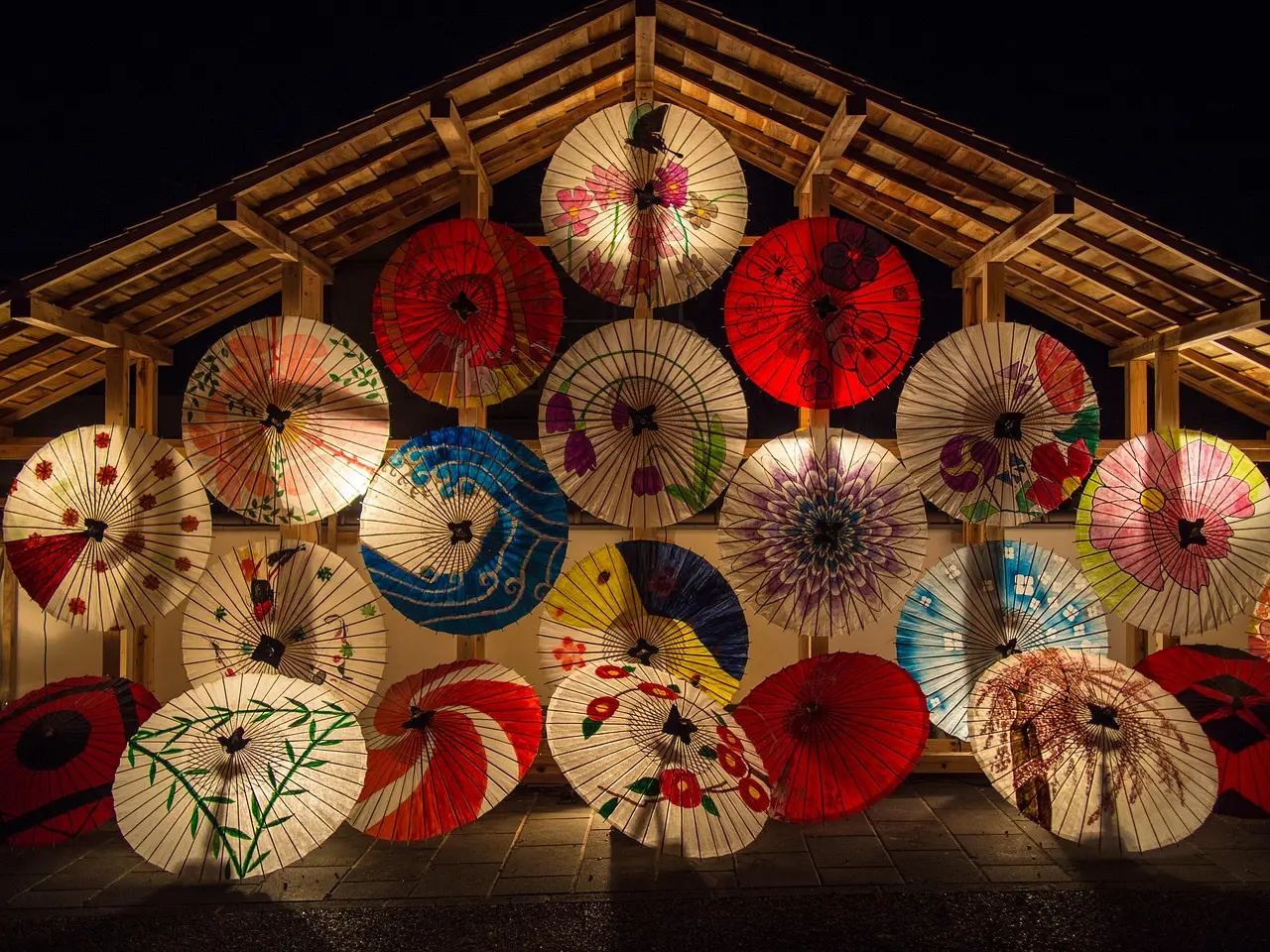
The production calendar is already fixed in one respect. The team plans to film a key sequence during a traditional Japanese Toro Nagashi ceremony in Brazil in November this year.
What comes next for Saito?
The director is also developing his second feature, "Little Faults," which earned a spot in Turin's Boost IT Lab this year. Its protagonist is an aging Japanese-Brazilian woman living in Japan who starts committing minor offenses, hoping to land in prison — a place where she thinks she might at last be cared for and feel she belongs.
The Tokyo Gap-Financing Market runs as part of TIFFCOM, the content market attached to the Tokyo International Film Festival. For "Yellow Chrysanthemum," a deal in Tokyo would complete a four-country co-production and give a Diaspora story its most direct route yet to Japanese screens.
Source: Variety Film
More from Marcus Bennett
Show full bio
Staff writer covering people, launches and day-to-day practice in arts in the broadest sense at Arts & Voices.
881 articles
Also on view
Tokyo Film Festival's Women's Empowerment Section Turns to Those Who Fall Through the Cracks
Ishikawa Hiroshi Returns After 13 Years With 'The Blue We Touch'
Joy Hopwood's 'Her Last Laugh' Heads to Busan Market via Cappu Films
Jacqueline Lentzou's Chapter Phaedra Turns a Teenager's Day Into a Shapeshifting Vision