Programme
- Sonya Yoncheva sings Medea in the Met's 2026-27 revival of Cherubini's opera.
- The revival restages David McVicar's production, first seen in the 2022-23 season.
- Carlo Rizzi conducted; Victoria Karkacheva made her Met debut as Neris.
- Yoncheva performs the Italian version for the first time, after singing the French version in Berlin.
- The Met's version uses recitatives added by Franz Lachner in 1855, translated by Carlo Zangarini.
Sonya Yoncheva delivered what the reviewer called "one of the most enthralling singular performances" at the Metropolitan Opera in recent memory, in the company's 2026-27 revival of Cherubini's "Medea."
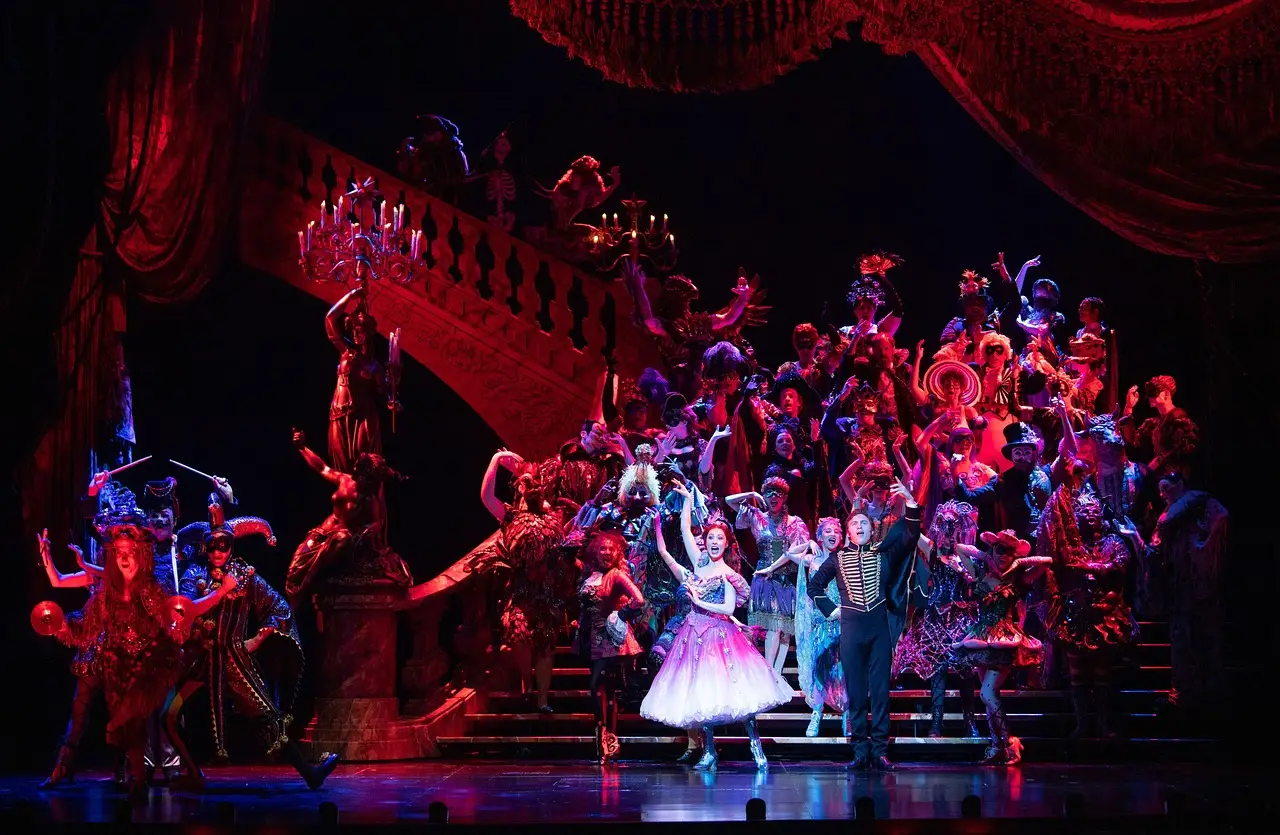
The soprano anchored a performance that, according to the OperaWire review, otherwise struggled to recapture the cohesion of the production's 2022-23 premiere. David McVicar's staging — first seen that season and praised at the time as some of his best Met work — now felt "rather stolid" to the same critic, with pacing that suffered and a massive upstage mirror whose visual potential was "often wasted."
The opera itself arrives at the Met carrying heavy baggage. Beethoven hailed it as a masterwork, yet it vanished from view until Maria Callas made it her own in the mid-20th century — a rediscovery that became a "double-edged sword," since every soprano since has faced Callas comparisons. The Met performs the Italian version, using recitatives Franz Lachner added in German in 1855, translated by Carlo Zangarini.
What does Yoncheva bring to the role?
The reviewer was unequivocal: "Yoncheva is the real deal and perhaps the biggest deal on the Met stage this season." Singing the Italian version for the first time — she performed the French original in Berlin years ago — she projected gloriously, with not a single moment where the orchestra covered her. Her legato in the final aria "Del fiero duo" was "pristine and polished," with "anguish in her voice, almost weeping," before fiery, jagged, perfectly clean coloratura closed the night.
Her physicality drew equal praise: a potent opening walk that shifted into slouched, semi-crawling movement, expressing Medea's psychological disintegration. The climactic scene — Medea raising the knife over her children, then freezing as one child holds her arm and stares into her eyes — was, per the review, theatrical genius of the kind that "should be seen not once or twice, but as many times as you can."
The reviewer noted an irony: when Yoncheva sang multiple productions per season under General Manager Peter Gelb, her stage presence had not caught up to her voice. Now, at her peak, she sings only one production per season.
How did the rest of the evening hold up?
- Carlo Rizzi, conducting, got off to a sloppy start — the overture blurred into a single texture, and the opening chorus and Glauce's aria felt unsteady. Once Yoncheva arrived, conductor and soprano locked into dialogue; the final two acts were "truly fine music-making."
- Victoria Karkacheva, in her Met debut as Neris, was the cast standout, her round mezzo matching Yoncheva's volume and intensity.
- Michael Spyres returned from his spring run as Tristan to sing Giasone, sturdy yet delicate in his opening aria.
- Elena Villalón (Glauce) showcased a shimmering soprano, though her highs turned pinched late in "O Amore, vieni a me!"
- Alexandros Stavrakakis brought a honeyed bass and clean legato to Creonte.
- Anton Ratz and Jasper Thurston-Vargo, as Medea's children, drew a collective gasp from the audience in the knife scene.
The production's fall from the critic's original enthusiasm goes unexplained beyond the admission that production teams "lack the ability to recapture lighting in a bottle." What is not in doubt is the urgency: given the work's troubled history of comebacks, the review closes by warning that chances to see "Medea" with an artist of Yoncheva's caliber may not recur soon.
Source: Opera Wire
More from Tom Whitfield
Show full bio
Market editor covering people, launches and day-to-day practice in arts in the broadest sense at Arts & Voices.
964 articles