You Can See Everything draws sellout cinema crowds before UK release
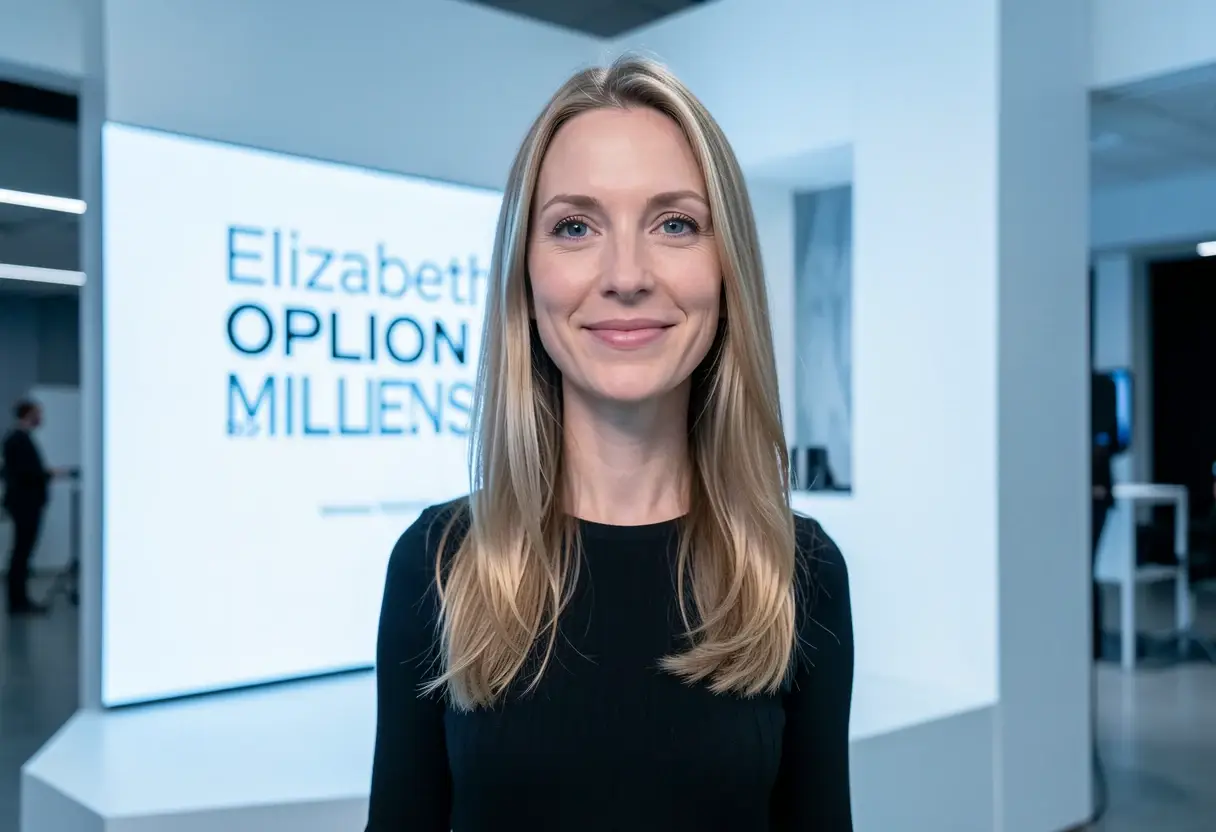
Nathan Fielder’s three-hour Elizabeth Holmes documentary earned $15m in the US. UK cinemas are adding screenings ahead of its 20 November release after sellout demand.
Programme
- US opening weekend: $15m (£11.3m), the biggest for a documentary in more than 20 years.
- More than 2,000 screenings sold out at 855 cinemas; more than 70% of the audience was under 35.
- UK release: 20 November; runtime: three hours.
- Cineworld’s Sunday sale covered about 40 cinemas, followed by bookings at 35 more nationwide.
- Nathan Fielder and Lance Oppenheim co-directed the documentary, which screened secretly at the Telluride film festival in Colorado in September.
By Marcus Bennett
Nathan Fielder’s You Can See Everything earned $15m (£11.3m) in its US opening weekend, the biggest opening for a documentary in more than 20 years. More than 2,000 screenings sold out at 855 cinemas, and more than 70% of the opening-weekend audience was under 35.
The three-hour film opens in the UK on 20 November. Tickets are already selling out a month before release. It has spawned memes and heated online debate about its subject, the disgraced Theranos founder Elizabeth Holmes.
Clare Binns, creative director of Picturehouse Cinemas, said the excitement was reminiscent of the response to Greta Gerwig’s Barbie, which became a global box-office phenomenon in 2023. “People are hungry in a way that we haven’t really seen since then,” she said. “And for it to be a three-hour documentary, it’s bonkers.”
Tickets went on sale at Picturehouse Central in London before the US opening, Binns said. Demand prompted the chain to add extra screenings. At the Ritzy in Brixton, the first screen almost sold out, so the cinema sold tickets for a second showing.
Binns said: “It’s fantastic, it proves again that there’s a different kind of audience coming to the cinema.” She added: “They came to see Backrooms, they came to see Obsession, they came to see NAZA.”
She said: “There’s a real appetite for smart films that talk to an audience differently than the studios have talked to them before.” The story had been mined to some extent through The Dropout and podcasts, she said.
“But I think the fact that Nathan Fielder spent a month with Elizabeth Holmes is a huge draw. He’s a smart guy, and audiences want something they can relate to,” she said.
Cineworld has also reported strong demand. Stuart Crane, its international vice-president of content, said: “the speed and scale of demand has been remarkable.” Initial screenings at Cineworld Leicester Square sold out after tickets went on sale at about 40 cinemas on Sunday. Cineworld then added screenings at Leicester Square and expanded bookings to a further 35 cinemas nationwide.
Vue reported similar excitement. Dean Cross, its senior screen content manager, said it was “seeing incredible buzz both within the industry and amongst cinemagoers”, and it was “particularly encouraging to see a documentary capturing the attention of younger audiences”.
The film’s momentum has built since a secret screening at the Telluride film festival in Colorado in September, where audiences surrendered their phones. A teaser trailer released the same day went viral. Holmes joined the online conversation by responding to tweets about the film and its trailer.
Co-directed by Fielder and Lance Oppenheim, the film has won widespread critical acclaim. The Guardian described it as “a modern masterpiece of deceit”, citing its unsettling exploration of Holmes and the blurred boundaries between documentary and performance.
What does this change for cinemas?
Binns said: “People want to enjoy films in a cinema with other people.”
She said: “The younger demographic want shared experiences. They want to talk about it with their friends, and you can’t do that when you’re sitting on your own watching a TV.”
She also said: “Cinema has been ruled out so many times. Covid, the rise of streamers. Everybody is aware cinema has to change, it has to offer customers something different. But never rule us out.”
The practical effect is already visible: Picturehouse has added screenings after near-sellouts in London and Brixton, while Cineworld has expanded bookings from about 40 cinemas to a further 35 nationwide.
The figures support a specific proposition: cinemas can attract younger audiences with long-form event documentaries that reward a shared screening, rather than compete only with the television at home. Binns identifies the appeal: Fielder’s reporting, a relatable subject and the presence of other viewers.
For cinemas, the demand supports more screenings of event documentaries, provided exhibitors preserve the communal experience Binns described. The next test comes on 20 November, when advance sellouts and added screenings must become sustained attendance across the UK run.
Source: Guardian Film
More from Marcus Bennett
Show full bio
Staff writer covering people, launches and day-to-day practice in arts in the broadest sense at Arts & Voices.
741 articles