Zineb Mekouar's 'Remember the Bees' Turns a Moroccan Apiary into Elegy
Milkweed Editions publishes Zineb Mekouar's 'Remember the Bees', translated by Maren Baudet-Lackner: one dusk, one Moroccan apiary, and a promise.
Programme
- Milkweed Editions published the excerpt from 'Remember the Bees', copyright © 2026.
- The novel is by Zineb Mekouar, translated from French by Maren Baudet-Lackner.
- The story is set in Inzerki, a Moroccan village whose communal Saint's Apiary once held hives for every regional beekeeper.
- The grandfather plans to teach his grandson Anir about honey and the apiary this year.
- The old man notes the decline: 'The flowers are almost gone now.'
Milkweed Editions has released an excerpt from Remember the Bees, a novel by Zineb Mekouar, translated from the French by Maren Baudet-Lackner and copyright © 2026. The passage is set in Inzerki, a Moroccan mountain village built around an apiary, and it covers exactly one dusk.
That dusk carries a lot. A grandfather waits for the bees to return to the Saint's Apiary. His grandson Anir waits at home. So does Anir's mother, who has stopped recognizing her son after an unnamed event the text calls only "that night."
What does the excerpt actually show?
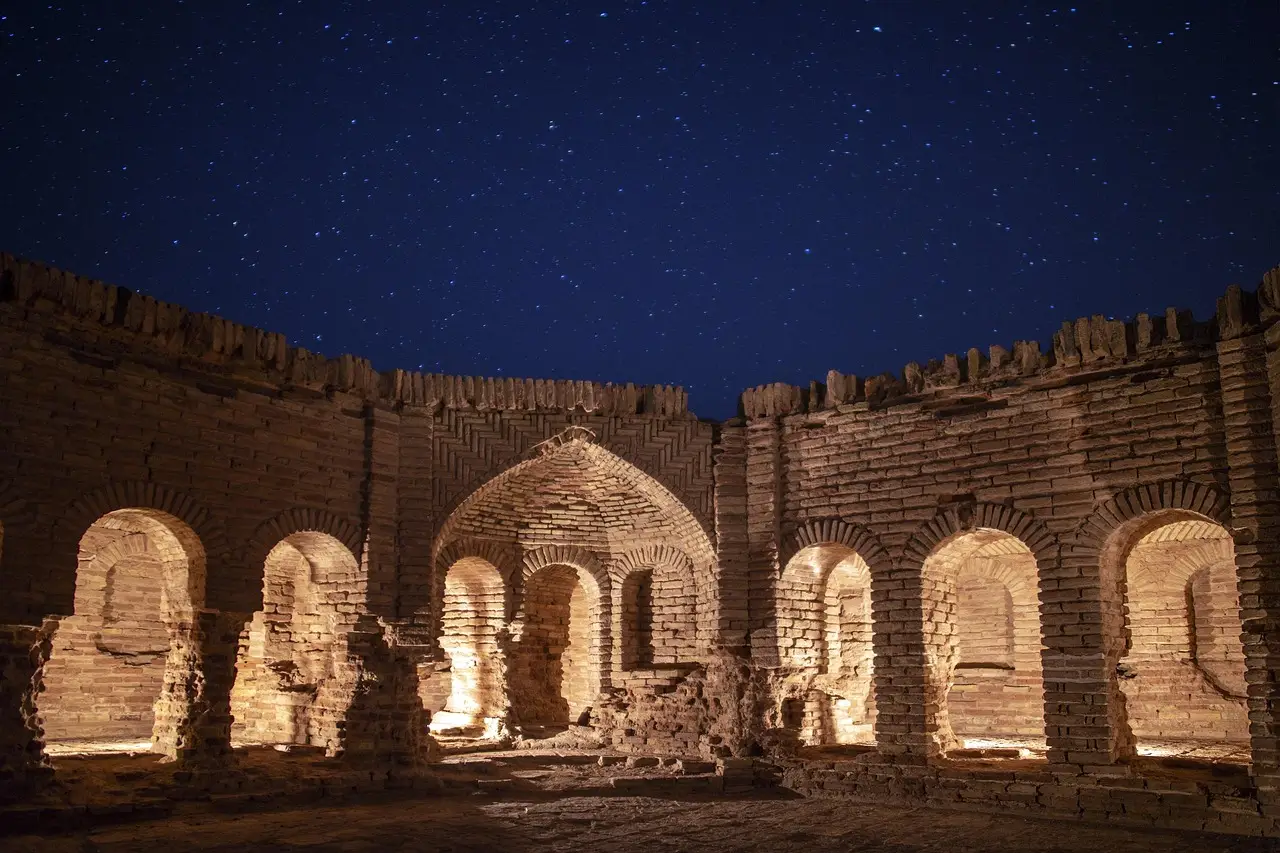
Two rooms, effectively. Outdoors, the grandfather stands in early, lingering heat — red earth, argan, carob and olive trees, thyme, cypress — and watches the bees come home "drunk on pollen and nectar." Indoors, Anir sets down a plate of bread, olive oil and honey at his mother's door and closes it without a sound.
The prose moves between the two with a deliberate patience. The old man breathes "as if trying to reproduce the rhythm of the landscape." The boy grips the door handle "as if clinging to something solid might keep him from faltering." One relationship is ending in silence; the other is meant to be passed on.
Mekouar's structure is simple. The grandfather plans to keep a promise this year: to teach Anir everything he knows about honey and the Saint's Apiary. The grandmother figure — the mother — has become indifferent "to everything and everyone" since the unspecified night. The boy, watching her face "paralyzed by the ravenous darkness" at dusk, starts to hate the hour he once loved.
What happened to the apiary?
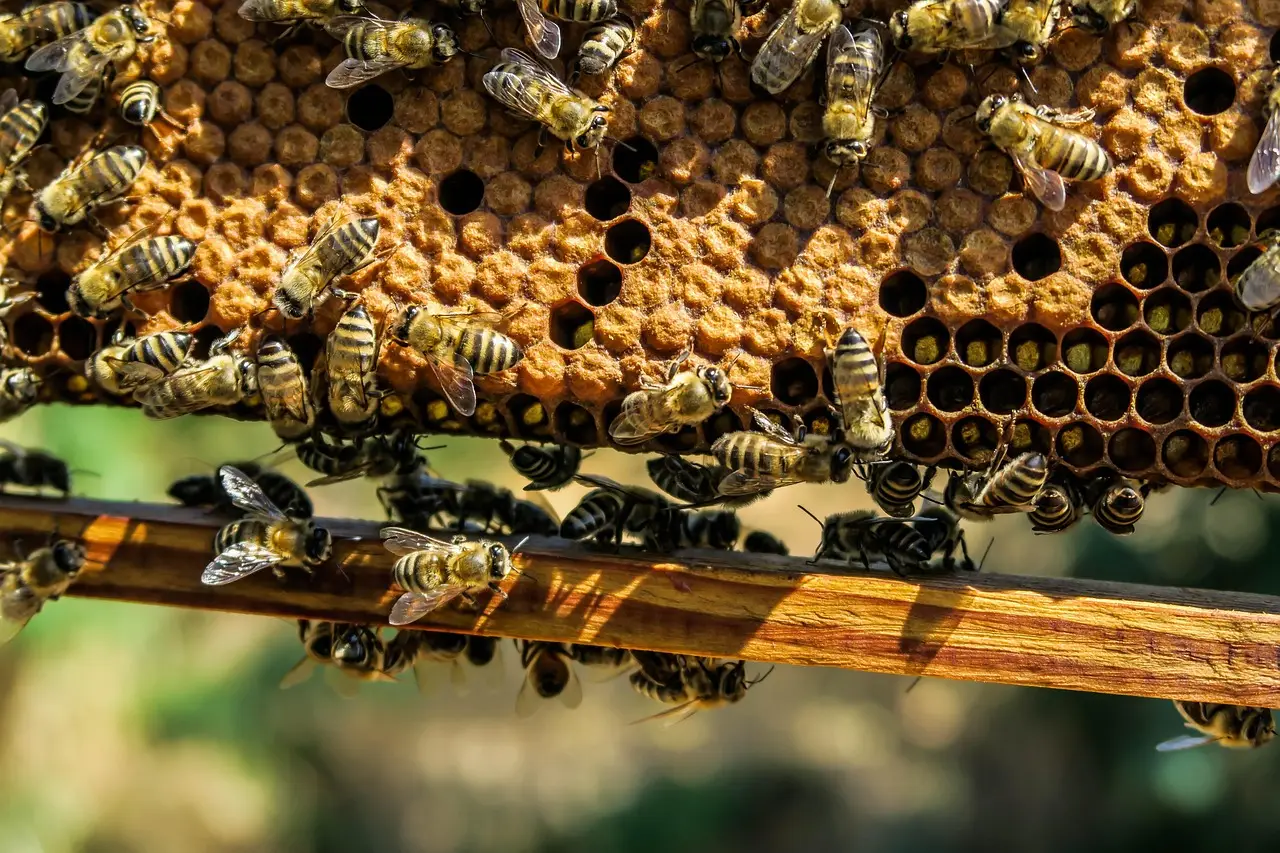
The excerpt's sharpest fact sits in the old man's memory. Not long ago, every family in Inzerki kept its own compartments in the apiary. Hives passed from father to son. Beekeepers arrived for weeks or months at a time under a transhumance tradition (moving hives seasonally to follow the bloom), so their bees could spend the flowering season in the area.
When the grandfather was young, "every hive was home to thousands of bees, and their constant drone could be heard for miles around the village."
That abundance is over. Standing to leave, he mumbles, to the bees or perhaps to no one in particular: "The flowers are almost gone now."
It's the passage's one piece of plot, and it lands like a verdict. The dying hive and the mother's collapse rhyme without the author forcing the comparison. The grandfather's closing line — "When I was Anir's age, their music filled the whole valley" — does the same work in seven words.
How does the translation read?
Baudet-Lackner's English keeps the original's restraint. The register stays plain even at the most distressed moments: the mother "clenches her jaw and bites her lips so hard a trickle of blood drips down her chin." No adverb arrives to explain what the blood means. The reader, like Anir, is left at the door.
There's dry wit in the smaller observations too. The bees retreat "carefully and methodically, as if driven by a higher intelligence, an anonymous architect, or pure chance" — three explanations offered with equal weight, none preferred. The little donkey brays "at regular intervals, as if to rock him to sleep and ferry him to the shores of slumber." It's the one gentle image in the boy's half of the story, and it's given to an animal.
Why does this excerpt matter?
Remember the Bees joins a short shelf of fiction that treats beekeeping as a heritage practice under threat rather than a lifestyle metaphor. The Inzerki setting does the argument: communal hives, inherited compartments, seasonal migration — all remembered by one old man on one mountain at one dusk. The novel's conflict is whether any of it survives the transfer to Anir, whose evenings are currently consumed by his mother's panic.
The excerpt closes on the grandfather savoring the drone a moment longer. Readers who want the rest of the story — what happened that night, and whether the teaching promise holds — will find the book via Milkweed Editions.
By Daniel Okafor
Original: bookshop.org
More from Daniel Okafor
Show full bio
News editor covering companies, deals and strategy in arts in the broadest sense at Arts & Voices.
993 articles