19 New Governors, 19 Mansions: A State-by-State Guide
Nineteen governors-elect move into official residences in January, from an 1856 Texas mansion to a 30,000-square-foot Atlanta landmark — and one state with no mansion at all.
Programme
- Nineteen newly elected US governors take office in January; 45 states have official governor's mansions.
- Georgia's governor-elect Keisha Lance Bottoms inherits a 30,000-square-foot, 30-room mansion built in 1967.
- Texas's mansion, home to governors since 1856, will host Gina Hinojosa, the state's first Latina governor.
- Rhode Island has no governor's mansion; Helena Foulkes owns homes worth $3.8 million and $2.3 million.
- Wyoming may replace its 1976 governor's residence with an upgraded version.
By Elena Vasquez
Nineteen newly elected US governors face moving day in January — and most of them inherit a mansion. Forty-five states maintain an official executive residence, according to the source report; only Arizona, Idaho, Massachusetts, Rhode Island and Vermont do without.
Virginia holds the record for continuity: every governor has lived in its executive residence since 1813. Not every state keeps the tradition alive, though. California Governor Gavin Newsom recently listed the $7.5 million Fair Oaks home he preferred over the official residence, and no Nebraska governor has occupied that state's mansion in over a decade.
Here is where the incoming governors will land.
Which historic mansions open their doors?
Alabama's Tommy Tuberville, a Republican, takes a 17-room neoclassical mansion in Montgomery built in 1907 by architect T. Weatherly Carter, fronted by four Corinthian columns and a bifurcated staircase.
Texas Democrat Gina Hinojosa, the first Latina to hold the state's highest office, moves into a Greek Revival mansion in Austin dating to 1856 — nearly 10,000 square feet in continuous gubernatorial use since construction.
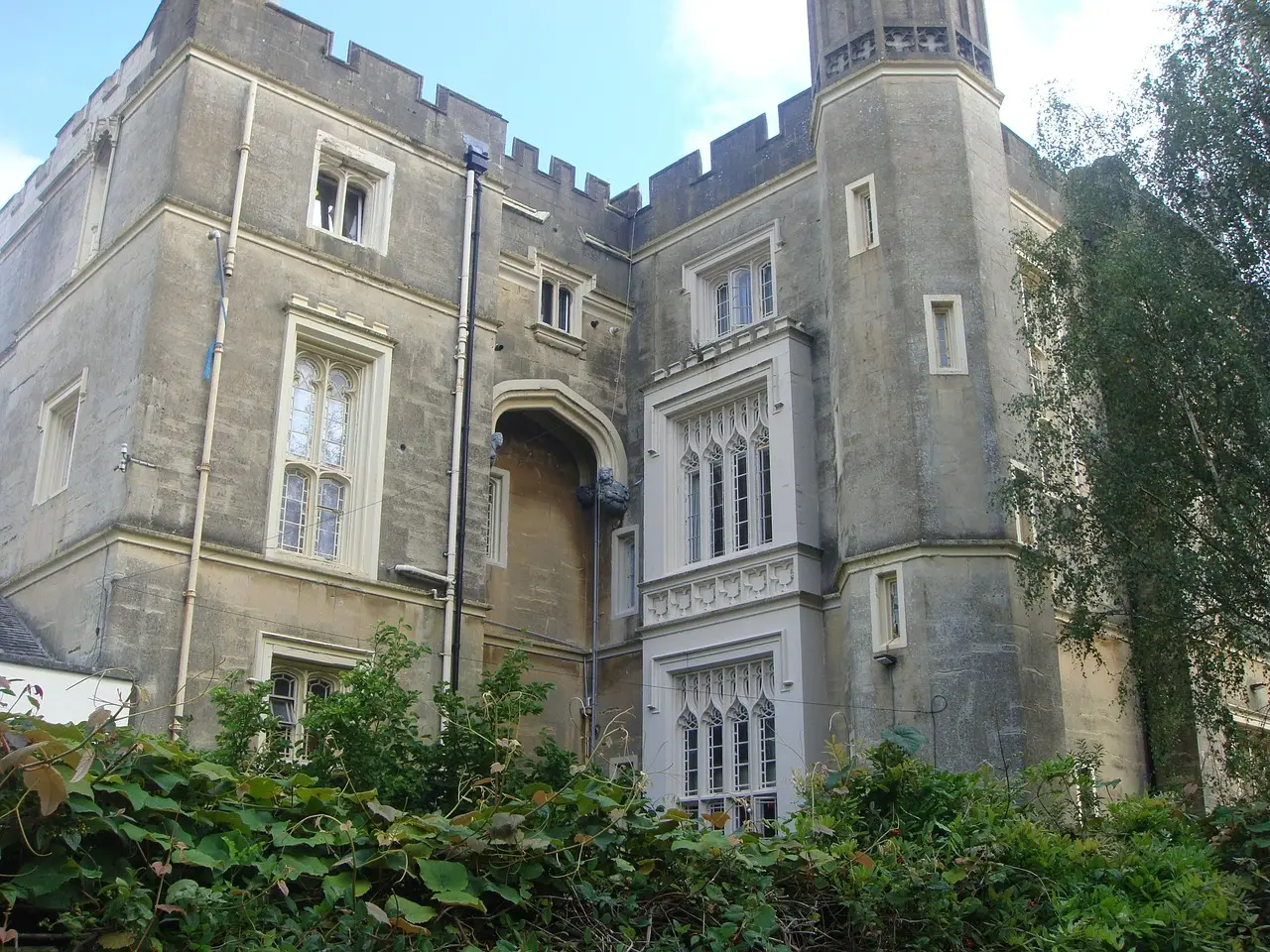
South Carolina's Alan Wilson, a Republican, gets a two-story Federal-style mansion from 1855 that began as military academy officers' quarters and became the governor's residence in 1868, three years after the Civil War ended.
Iowa's Terrace Hill in Des Moines, an 18,000-square-foot Second Empire residence from 1869, will house Democrat Rob Sand; its first two floors operate as a public museum and events space.
What do the biggest homes offer?
Georgia Democrat Keisha Lance Bottoms, the first Black woman governor-elect in US history, inherits the largest: a 30-room, 30,000-square-foot Greek Revival mansion in Atlanta built in 1967 by architect A. Thomas Bradbury.
California's Xavier Becerra gets a 20-room, 20,000-square-foot Victorian in Sacramento, built in 1877 and renovated in 2015 after decades as a museum — the Reagans abandoned it in 1967 as uninhabitable. Amenities include Italian marble fireplaces, original wood floors and a kidney-shaped pool.
Minnesota's Amy Klobuchar moves into a 16,000-square-foot, 1912 stone-and-brick residence in St. Paul designed by William Channing Whitney in English Tudor and Beaux-Arts styles, with seven bedrooms, ten bathrooms and nine fireplaces.
Wisconsin's David Crowley, the state's first Black governor, takes a 1928 Classical Revival mansion in Madison with 16,000 square feet across three floors: seven bedrooms, 13 bathrooms, seven fireplaces and ten gardens.
Colorado's Phil Weiser receives Colorado's Home, a 27-room Colonial Revival built in 1908 and official residence since 1960, set on one acre with gardens, a gazebo, a greenhouse and a carriage house — plus a rotating selection of local beers on tap, courtesy of former governor John Hickenlooper (2011-2019).
Who else made history?
- Florida: Byron Donalds, the state's first Black governor, takes a 1956 Greek Revival mansion in Tallahassee with a screened pool, greenhouse and rose garden.
- Nevada: Aaron Ford, the first Black governor of his state, moves into a 1909 Classical Revival mansion by architect George A. Ferris.
- New Mexico: Deb Haaland, the first Native American woman elected governor, will occupy The People's House, a 1955 midcentury-modern residence in Santa Fe by architect W.C. Kruger.
Which states break the mold?
Michigan's Jocelyn Benson gets two residences: a five-bedroom, 8,700-square-foot 1957 ranch house in Lansing and a 1901 Arts-and-Crafts summer mansion on Mackinac Island.
Oklahoma's Mike Mazzei inherits a 14,000-square-foot Dutch Colonial from 1928 in Tulsa, with a limestone façade matching the State Capitol two blocks away, a swimming pool shaped like Oklahoma, an outdoor kitchen and a tennis court on the site of the helipad where Lyndon B. Johnson landed in 1964.
Tennessee's Marsha Blackburn moves to Far Hills, a 1931 Georgian mansion on a 10-acre Nashville estate, official residence since 1949. Ohio's Amy Acton gets a 1925 Tudor in Bexley by architect Robert Gilmore Hanford, with three acres of gardens including a "Storybook Trail" inspired by The Tales of Peter Rabbit. Maine's Hannah Pingree takes the 28-room Blaine House in Augusta, built in 1833 and the official residence since 1919.
Rhode Island's Helena Buonanno Foulkes has no mansion to claim — the state lacks one. She owns a $3.8 million eight-bedroom Narragansett summer house and a $2.3 million three-bedroom home in Providence.
Wyoming's Eric Barlow faces the least certain future: the 1976 residence near Frontier Park in Cheyenne has sparse public details, and the report indicates an upgraded replacement with improved security may be in the works — the first new gubernatorial residence in a half-century.
Original: seattletimes.com
More from Elena Vasquez
Show full bio
Senior reporter covering technology and product news in arts in the broadest sense at Arts & Voices.
1,069 articles