A 1972 Cocktail Party Brings the Harlem Renaissance Back to Screen
Once Upon a Time in Harlem uses a 1972 cocktail party to reunite Harlem Renaissance figures, arguing creative moments are rarely recognized as they happen.
Programme
- Once Upon a Time in Harlem centers on a 1972 cocktail party of Harlem Renaissance figures.
- Director Liani Greaves worked with Tupac on Above the Rim and Hype Williams on Biggie videos in 1990s Brooklyn.
- The Harlem Renaissance's imprints ran through the Jazz Age, from Marcus Garvey's debates with WEB Du Bois to Hubert Julian's flights.
- Greaves's Brooklyn haunt was the Brooklyn Moon Cafe.
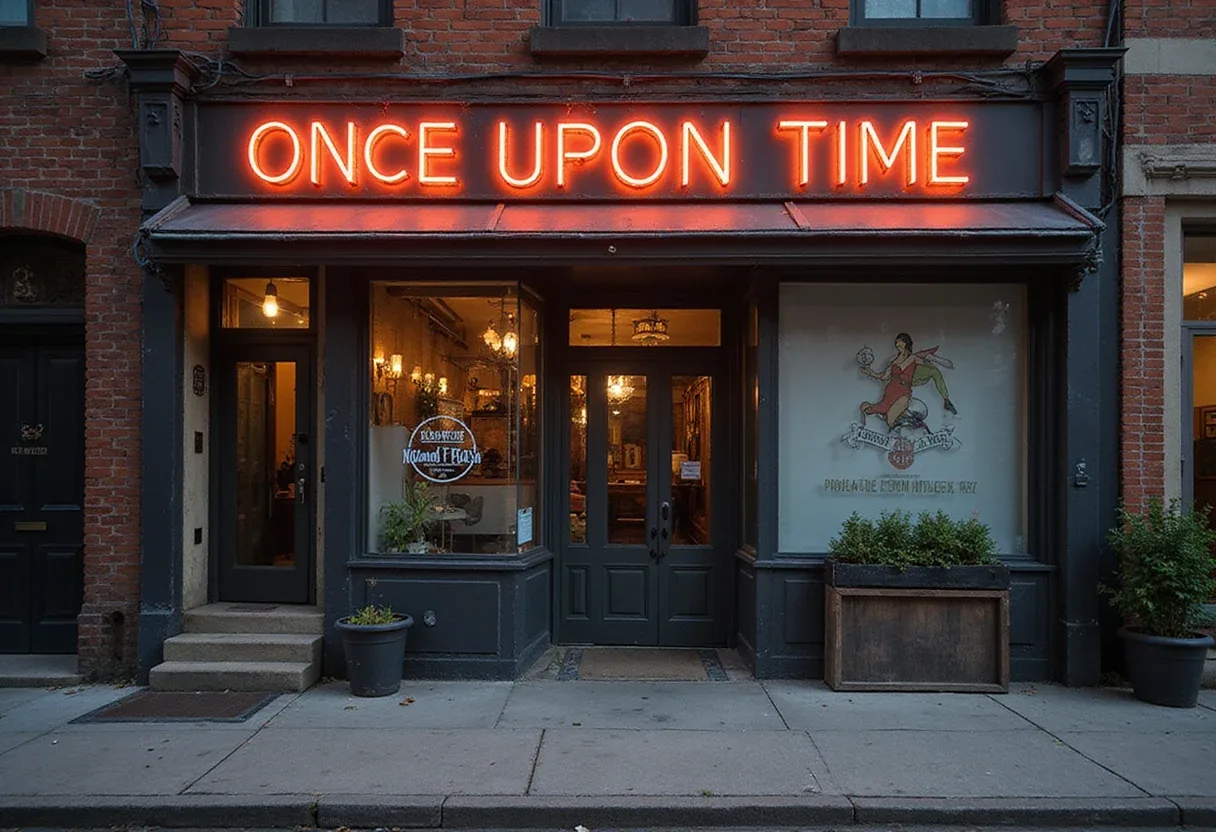
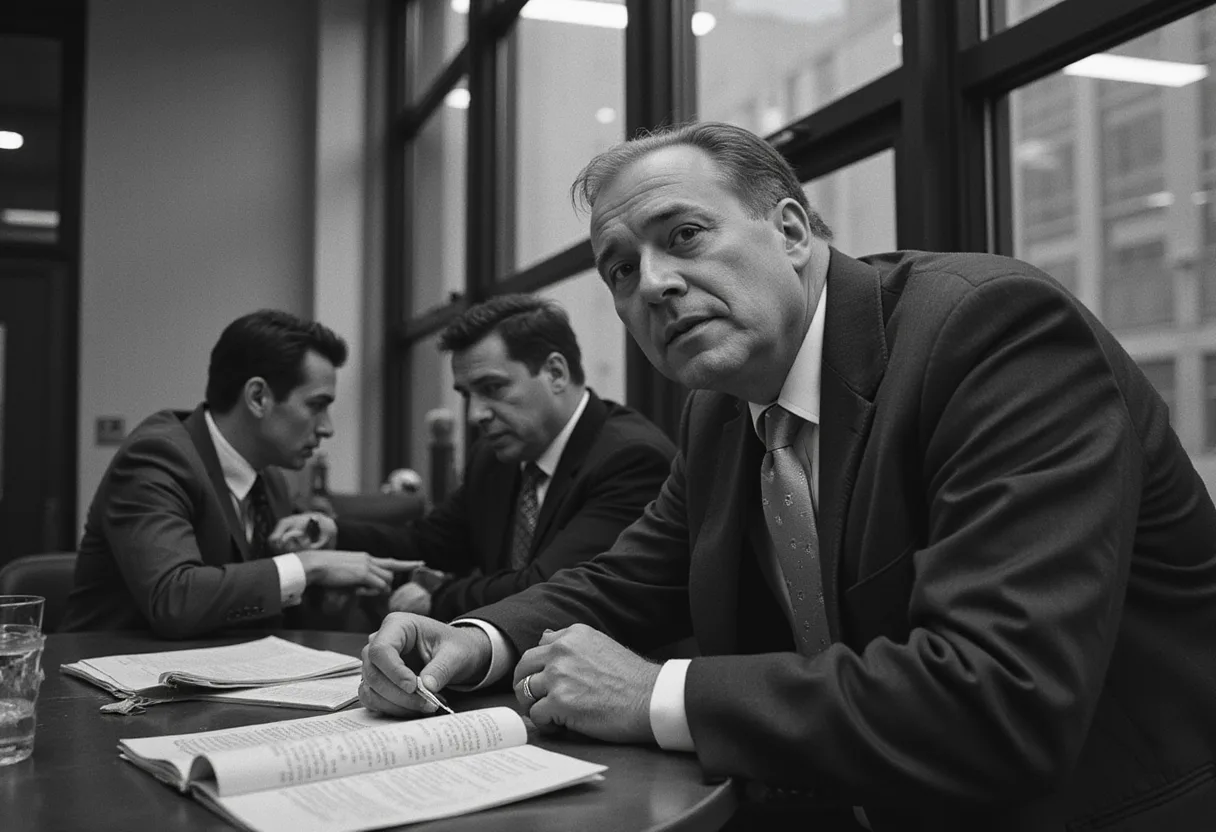
A 1972 cocktail party sits at the center of Once Upon a Time in Harlem, a new archival documentary that gathers creative luminaries of the Harlem Renaissance as they discuss and debate their movement.
The film, described by the Guardian as "dazzling," reconstructs a reunion more than 40 years after the Renaissance's peak. It uses archival footage rather than talking-head retrospection. That choice matters: viewers watch the figures themselves, mid-conversation, rather than hearing scholars describe them from a distance.
Why the Harlem Renaissance still draws filmmakers
The Harlem Renaissance was more than a flowering of the arts at the start of the 20th century. As the Guardian's report frames it, the movement marked the moment Black Americans asserted creative control over a culture purpose-built to exclude them.
The evidence ran through the Jazz Age: on bookshelves and radio, in flapper dresses and cloche hats, in the aviator Hubert Julian's daring flights, and in the fractious debates between Marcus Garvey and WEB Du Bois.
The Guardian likens the movement's pull to the David committee of the Italian Renaissance or the American Revolution's Continental Congress. It is one of those moments, the piece suggests, that makes you ask: what was it really like? The Dark Tower salons? The Cotton Club nights? The rent parties where the New Negroes — "a heady brew of southern émigrés, Caribbean vanguards and New York lifers" — held forth, high on having found one another?
What does the film ask us to notice now?
Director Liani Greaves connects the Renaissance to her own early career in 1990s Brooklyn, where she worked with Tupac on Above the Rim and with director Hype Williams on Biggie music videos.
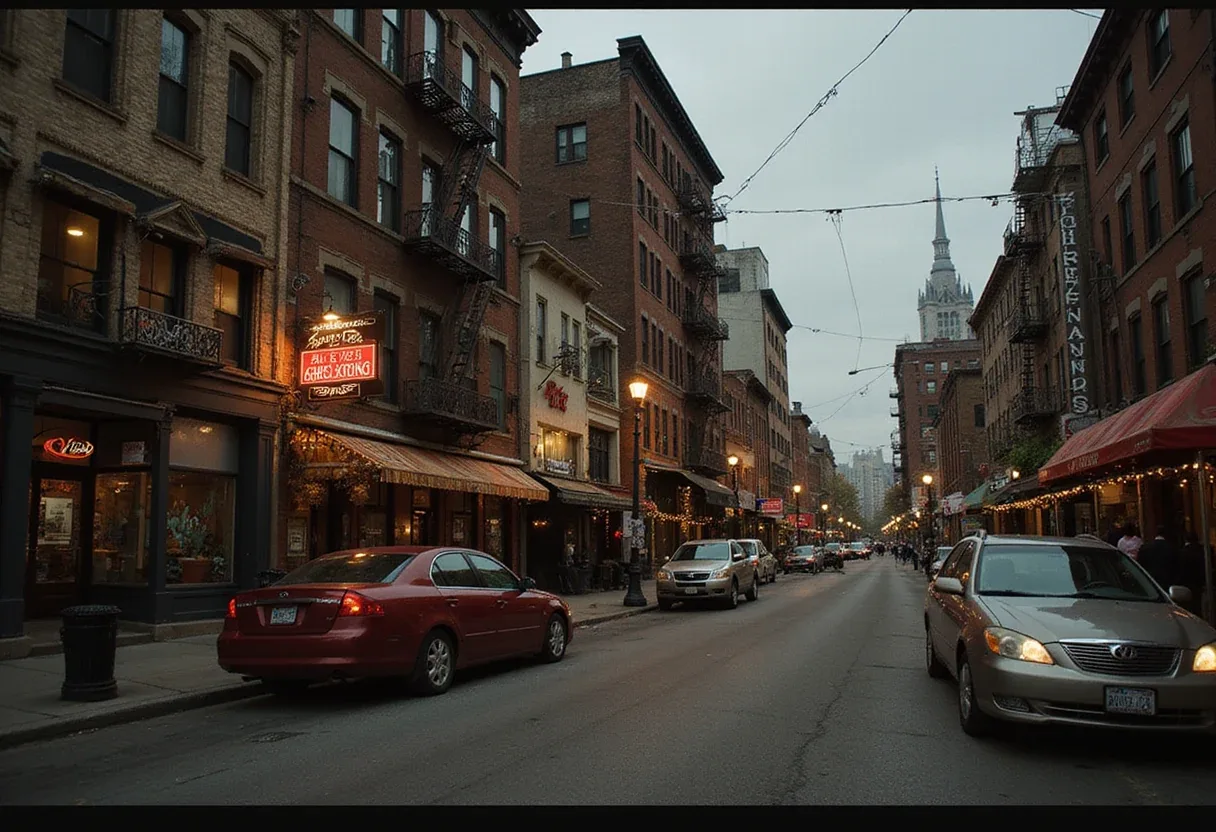
"I remember being in Brooklyn in the 1990s and seeing various artists around," Greaves said. "Brooklyn Moon Cafe was the spot. Sometimes we forget that it is The Now. We're constantly looking to the next thing, looking outside."
That quote is the film's quiet thesis. Greaves argues that creative communities rarely recognize their own significance while it is happening — the question the documentary implicitly poses about 1972 applies just as easily to Brooklyn three decades later.
Whether today's audiences recognize their own "now" is the question the film leaves hanging.
Original: britannica.com
More from Grace Kim
Show full bio
Correspondent covering technology and product news in arts in the broadest sense at Arts & Voices.
652 articles