A Jewelry Designer Brings Pompeii's Opulence to New York Furniture
Daniel Kolodziejczak, a former Givenchy and Saint Laurent jewelry designer, turns Carrara marble offcuts into a New York show of carved vessels, bronze sconces and a monumental crystal light, on view to January 16, 2027.

Programme
- Tesserae runs at Ateliers Courbet, New York, until January 16, 2027
- Kolodziejczak started as a jewelry designer in Paris for Givenchy and Saint Laurent
- The works are hand-carved from marble offcuts bought in Carrara quarry yards
- The series includes a monumental crystal pendant light, bronze sconces, a mirror and massive stone tables
- The idea took shape during a visit to Pompeii, the Roman city buried by Mount Vesuvius
Daniel Kolodziejczak's Tesserae series opens at Ateliers Courbet in New York and runs until January 16, 2027. The Polish-born designer, trained in jewelry for Givenchy and Saint Laurent in Paris, has built the show from marble offcuts he collected in the quarries of Carrara, near his Milan workshop.
"Every time I go there I find myself buying new stones," Kolodziejczak says. The leftovers piled up in his studio for years. A visit to Pompeii — the Roman city buried by the eruption of Mount Vesuvius — gave him what he calls "the idea to bring them together" in a single exhibition.
How jewelry became furniture
The mechanism here is straightforward: a designer who spent his career on small, precious objects applied the same logic to large ones. Kolodziejczak began in jewelry in Paris, then moved to Milan and shifted into decorative objects and furniture. His Studio Daniel K now operates from both cities.
The Tesserae vessel shapes draw directly on antique Roman pottery. They're hand-carved in marble, plus rock crystal, smoky quartz, and citrine quartz (a yellow-tinted variety of the gemstone). Beyond the vessels, the series includes:
- A monumental crystal pendant light
- Bronze sconces with citrine quartz shades
- A mirror
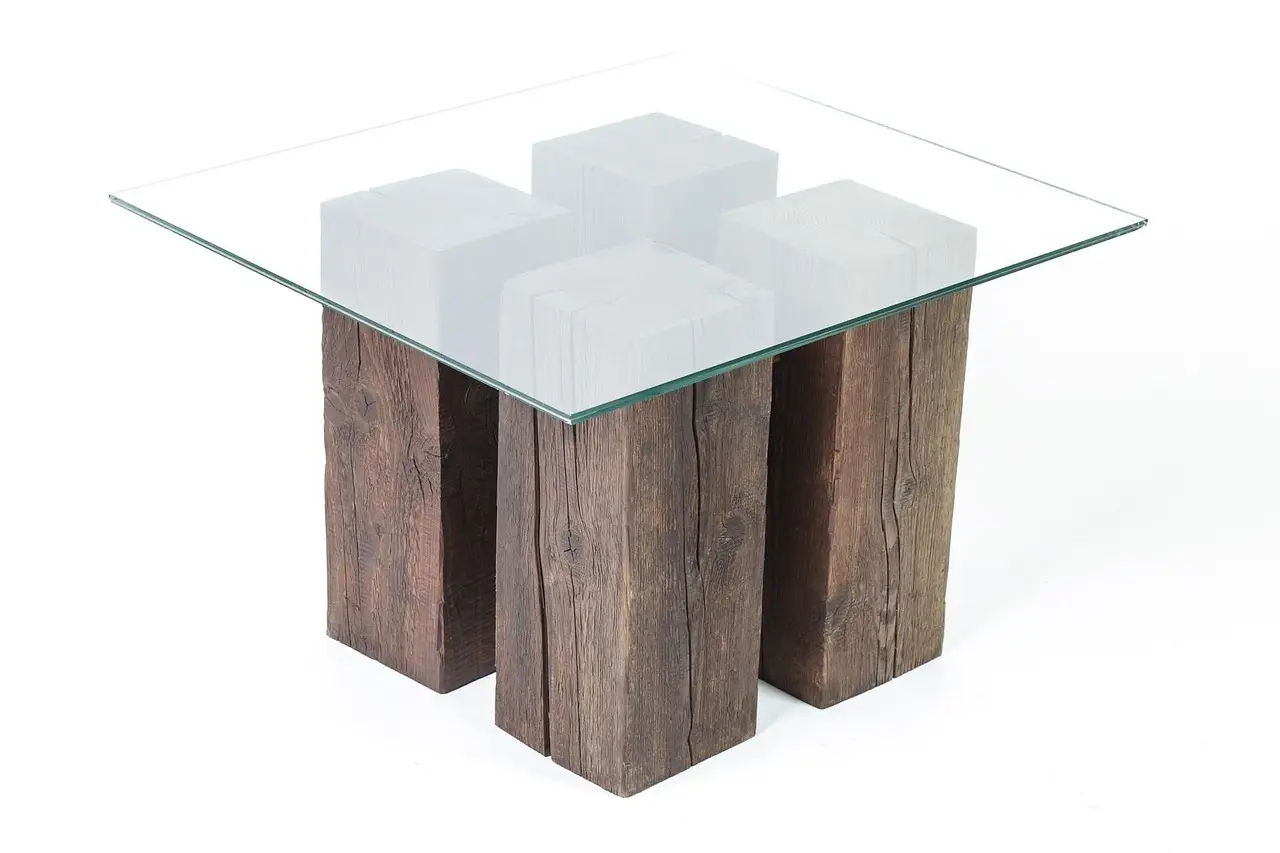
- Massive stone tables
Pompeii supplied the aesthetic argument, not just the mood. The city's surviving mosaics show how lavishly its homes used precious materials, and that opulence is the register Kolodziejczak reaches for — rendered, in his case, from material somebody else threw away.
What does this change for the design world?
It's a working model for turning quarry waste into luxury objects. Carrara's marble yards generate offcuts constantly, and Kolodziejczak's process treats those remnants as stock, not scrap. The result sits at gallery level rather than at the sustainability-activism level — the point is beauty, not a lecture.
Scale didn't change his intent, either. "I treat furniture like jewelry," he says. "These pieces aren't meant to take up the entire room—just to be that accent of something extraordinary."
That claim is worth checking against the object list, and it mostly holds: a monumental pendant and massive stone tables are big, but each piece is framed as an accent — the adorned object — rather than as a room's centerpiece.
Why a Milan studio looked to Pompeii
The show's title points at the source. Tesserae are the small stone tiles of Roman mosaics, and Pompeii's floors and walls are full of them. Kolodziejczak's own materials — accumulated fragments of marble and crystal — are a modern version of the same idea: precious pieces assembled into a larger whole.
Ateliers Courbet, the New York design gallery hosting the exhibition, gives the project its venue. The story was originally reported in the December issue of AD, Architectural Digest's print edition.
The show runs through January 16, 2027, which leaves a long window for New York audiences. The bigger test is whether the offcut-to-object pipeline becomes more than a single designer's habit — Carrara isn't running out of leftovers.
Original: studiodanielk.com
More from Grace Kim
Show full bio
Correspondent covering technology and product news in arts in the broadest sense at Arts & Voices.
1,825 articles