A Storm, a Rain Barrel and a Broken Cosmos Flower
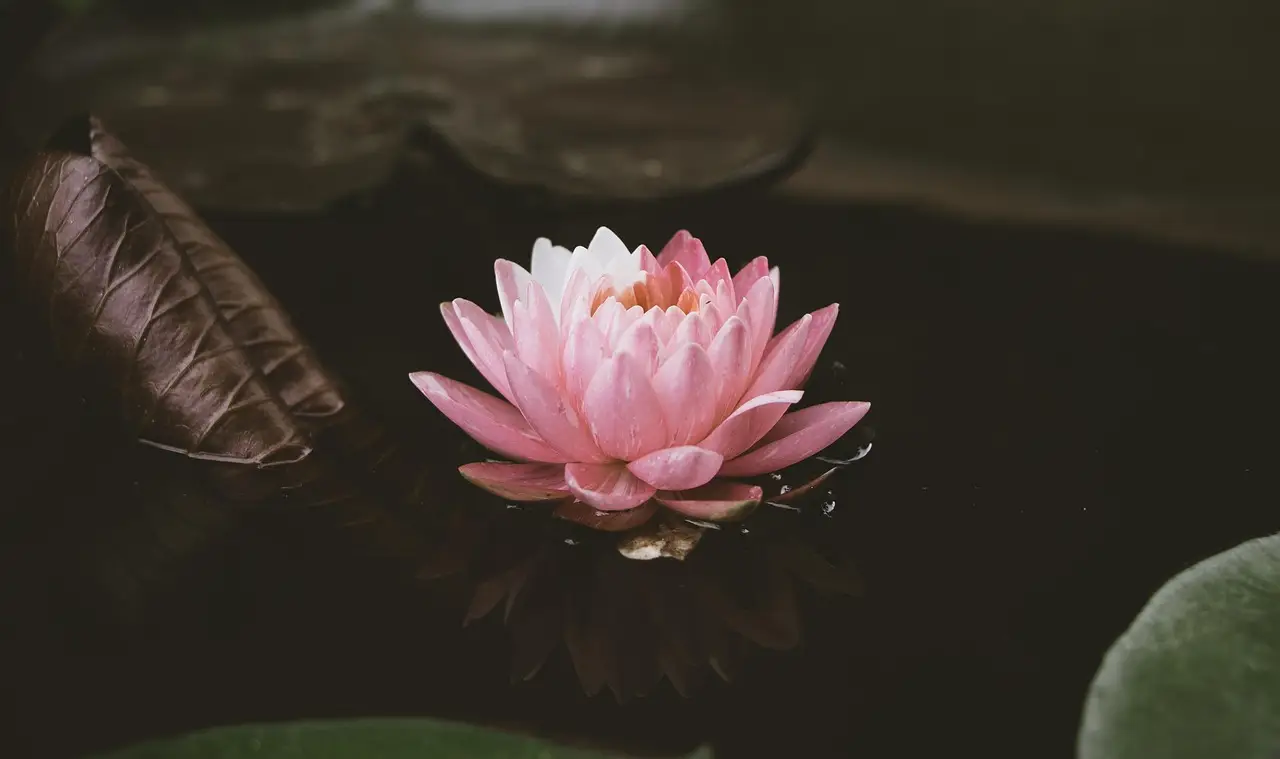
Sophia Dom's best phone picture: a storm-filled rain barrel, a snapped cosmos flower, and ripples restored by her own finger after the water went still.
Programme
- Sophia Dom took the photograph on a warm August afternoon in Ivanovo, Russia
- The subject is a cosmos flower that had broken from its stem after a storm
- The ripples were recreated by hand — Dom used her finger after the natural waves faded
- Dom also makes analogue collages from multicoloured velvet paper in avant-garde style
- A droplet falling from a tree branch into the rainwater barrel inspired the composition
Sophia Dom photographed a broken cosmos flower floating in her rain barrel on a warm August afternoon, and the image now runs as her best phone picture. Dom is an amateur photographer and artist from Ivanovo, a city she notes is "sometimes referred to as Russia's Manchester as it's a major textiles hub."
The picture came about by accident. Dom was gardening in her back yard — she says she loves "taking care of my plants and being in nature" — when she noticed a flower had snapped from its stem. "A cosmos," she says. "It looked so tiny and defenceless that I felt sorry for it."
How the shot was built
A storm in the days before had filled her metal rainwater barrel to the brim. Dom gently moved the fallen flower onto the water's surface. As she did, a droplet fell from a tree branch into the pool, and the ripples caught her eye. "The composition became not just interesting, but captivating," she says.
There was one problem: by the time she reached for her phone, the ripples had gone. So Dom faked them. "I used my finger to mimic the effect," she says. The concentric waves spreading around the flower in the final frame are, in part, handmade.
That detail matters because it shifts the work from pure found photography toward something closer to arrangement. Dom already works that way in her other practice — she makes analogue collages (physical cut-and-paste works, no digital tools) from multicoloured velvet paper, "in avant-garde style." The phone picture sits in the same territory: nature supplies the material, the artist sets the stage.
What does the image actually show?
Dom describes her own reading of the picture plainly. "Here, I especially like the deep colours, balance and harmony in the composition, and the fragility of a flower in water," she says.
Her hope for viewers is rest, not spectacle. "I hope it encourages viewers to take a pause from the hustle and bustle," she says. Then she names the image's central pun: "It reminds me of a bright star in the night sky. The flower is, after all, named cosmos."
The botanical name and the astronomical one share a root, and Dom lets the double meaning do the work — a small, pale flower on dark water standing in for a point of light in the dark. It's a one-word conceit, but it holds the composition together.
What does this change for phone photography?
Not much in scale, but something in method. Dom's process shows how little separates documentary luck from deliberate making at this level. The storm filled the barrel; chance dropped the droplet; the photographer's finger restored what the water had already forgotten. The final image credits all three.
It also fits a familiar pattern in the genre: the best phone photographs tend to come from photographers who already work in other media and carry that eye outdoors. Dom's collage practice — velvet paper, avant-garde composition, attention to colour balance — maps directly onto what she praises in her own picture: deep colours, balance, harmony.
She says she finds inspiration and hope in art every day. This frame is her evidence: a defenseless flower, a storm's leftover water, and a fingertip, combined into something she compares to a star. For viewers willing to take her suggested pause, the picture rewards it — one small cosmos, held still on dark water.
Source: theguardian.com
More from Grace Kim
Show full bio
Correspondent covering technology and product news in arts in the broadest sense at Arts & Voices.
1,852 articles