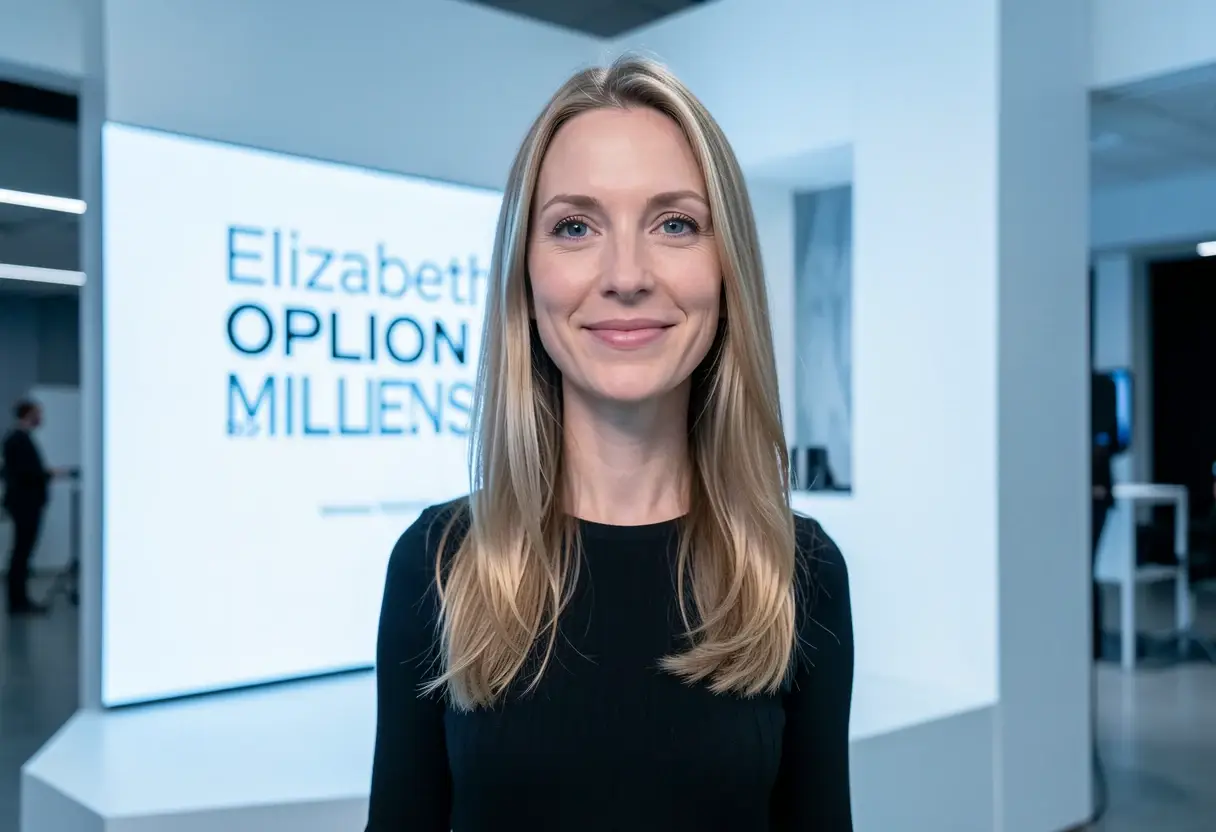
A24’s “You Can See Everything” Earns $45.1 Million at the Box Office
A24’s “You Can See Everything” took $19.5 million in weekend two, reached $45.1 million domestically and now needs a strong overseas run to enter the documentary top five.

Programme
- “You Can See Everything” earned $19.5 million from 2,655 theaters in its second weekend and reached $45.1 million domestically.
- A24’s production budget was $7 million.
- The film opened with $15.6 million across 855 theaters and more than 2,000 sold-out showings.
- Ticket sales rose 28% as the theatrical footprint expanded to 2,666 theaters.
- Exit polls found 90% would “definitely recommend” the film, while 80% called it better than expected; 70% of opening-weekend buyers were under 35.
By Elena Vasquez
How did the film reach $45.1 million?
“You Can See Everything” collected $19.5 million from 2,655 theaters in its second weekend, according to Variety’s box-office report. The result lifted A24’s documentary about Elizabeth Holmes to $45.1 million in domestic gross. Variety called A24’s $7 million production budget lean.
Only about a month of publicity preceded the nearly three-hour film’s cinema debut. Strong word of mouth, awards chatter and repeat viewing by audiences trying to process what they had seen supported the run. The film could remain a big-screen draw through the fall.
Variety compared “You Can See Everything” with four domestic documentary benchmarks:
- “Michael Jackson’s This Is It,” the highest-grossing documentary, made $267 million in 2009, without an inflation adjustment.
- Michael Moore’s “Fahrenheit 9/11,” the biggest non-music documentary, made $222 million in 2004.
- The nature film “March of the Penguins” made $127 million in 2005.
- The nature film “Earth” made $107 million in 2007.
At $45.1 million, the documentary remains far below the four benchmarks that define the current top group, despite its unusually rapid domestic ascent so far.
Variety projected that the film could leave theaters among the biggest non-musical documentaries ever. A strong overseas run is required to crack the top five.
Takeaway: The domestic run is exceptional; the top-five ranking still depends on performance outside North America.
Why did the controlled opening work?
A24 began the rollout in 855 theaters, unusually broad for a documentary. By comparison, Bleecker Street launched “Musk,” a four-hour look at the world’s richest man, in four locations.
The film opened to $15.6 million, helped by more than 2,000 sold-out showings. Cinephiles rushed to avoid spoilers, and the film follows Holmes immediately before she begins an 11-year prison sentence for defrauding investors.
Rather than limit the film to a handful of venues or release it nationwide on more than 2,000 screens, A24 staged a moderate rollout. It built awareness while preserving scarcity; in New York City and Los Angeles, viewers struggled to find seats without advance bookings.
Ticket sales then rose 28% as the theatrical footprint reached 2,666 theaters, evidence that demand extended beyond the coasts.
The controlled rollout let A24 generate broad awareness without surrendering the scarcity that persuaded cinephiles to buy tickets before widespread online spoilers could ruin the story.
“Opening ‘You Can See Everything’ in 855 theaters was a really smart move, allowing the film to establish itself and build momentum before going much wider,” said Rentrak’s head of marketplace trends Paul Dergarabedian.
“The fact that we’re seeing a documentary deliver such a significant second-weekend increase is remarkable.”
Takeaway: The broad opening converted a controlled release into a national hit without losing the event status that drove advance purchases.
How did secrecy build anticipation?
Nobody knew the project existed before its surprise world premiere at the Telluride Film Festival in early September. The Colorado screening became the film’s first public proof point.
The Telluride premiere supplied strong reviews, immediate word of mouth and a public proof point before competing Holmes productions had fully defined the audience’s expectations.
Holmes already had two notable screen treatments: the Hulu series “The Dropout,” starring Amanda Seyfried, and Gibney’s “The Inventor: Out for Blood in Silicon Valley.” Viewers told Variety that co-directors Nathan Fielder and Lance Oppenheim had captured something different.
Variety described Fielder as a cringe-comedy master best known for HBO’s “The Rehearsal.” Many viewers said Holmes had met her match in him.
“Bear in mind, the project started with no blueprint or screenplay for how to tell this story,” said analyst David A. Gross, who publishes the box office newsletter FranchiseRe.
“A24 invested in an interesting but complicated idea without a beginning, middle or end. That’s turned into a zeitgeist film about money, dreams, truth and reality.”
Takeaway: Secrecy made the Telluride debut scarce, and positive reviews converted that attention into demand.
What did audiences say?
Some 90% of initial ticket buyers said they would “definitely recommend” the film, while another 80% called it “even better than expected,” in exit polls.
Social media posts encouraged viewers to seek packed houses so audiences could share reactions and the story’s twists together. Repeat viewing gave some spectators time to process what they had seen.
Variety grouped “You Can See Everything” with “Michael,” “Obsession” and “The Odyssey” as this year’s hits that reward watching with a crowd.
Takeaway: Audiences reported both high satisfaction and a reason to see the film again, strengthening the second-weekend rise.
Why did younger viewers turn out?
Roughly 70% of opening-weekend ticket buyers were under 35, an unexpectedly youthful result for nonfiction. The turnout matched A24’s established base among younger moviegoers.
The studio built that base with edgy, aesthetic arthouse favorites such as “Marty Supreme” and “Everything Everywhere All at Once.” This year’s lineup—“The Drama,” “Backrooms” and “Primetime”—also reached event status among Gen Z viewers.
The youth result extends a broader A24 pattern, but two failures show that brand affinity alone cannot by itself guarantee an audience for every release.
The exceptions were Chris Rock’s Hollywood-set dramedy “Misty Green” and Hugh Jackman’s revisionist adventure “The Death of Robin Hood.” Both misfired in theaters.
Word of mouth and repeat viewing should determine whether the film stays in cinemas through the fall.
Takeaway: The next test is overseas: “You Can See Everything” needs a strong international run to crack the top five.
Source: Variety Film
More from Elena Vasquez
Show full bio
Senior reporter covering technology and product news in arts in the broadest sense at Arts & Voices.
919 articles