Aaron Sorkin Rewrites 'A Few Good Men' for a Broadway Era He Calls Urgent
Sorkin's rewritten 'A Few Good Men' opens Oct. 29 at the Vivian Beaumont Theater with Tom Blyth, Krysta Rodriguez and Bradley Whitford, in a revival its cast calls strikingly current.

Programme
- The first Broadway revival of 'A Few Good Men' opens Oct. 29 at Lincoln Center's Vivian Beaumont Theater, directed by two-time Tony winner Michael Arden.
- Aaron Sorkin wrote a new draft of the play, adding what he calls 'a subtle lantern on this new, very relevant theme: A search for decency.'
- Tom Blyth makes his Broadway debut as Daniel Kaffee; Bradley Whitford, a replacement Kaffee in the 1989 production, now plays Colonel Nathan Jessep, the role Jack Nicholson played in the 1992 film.
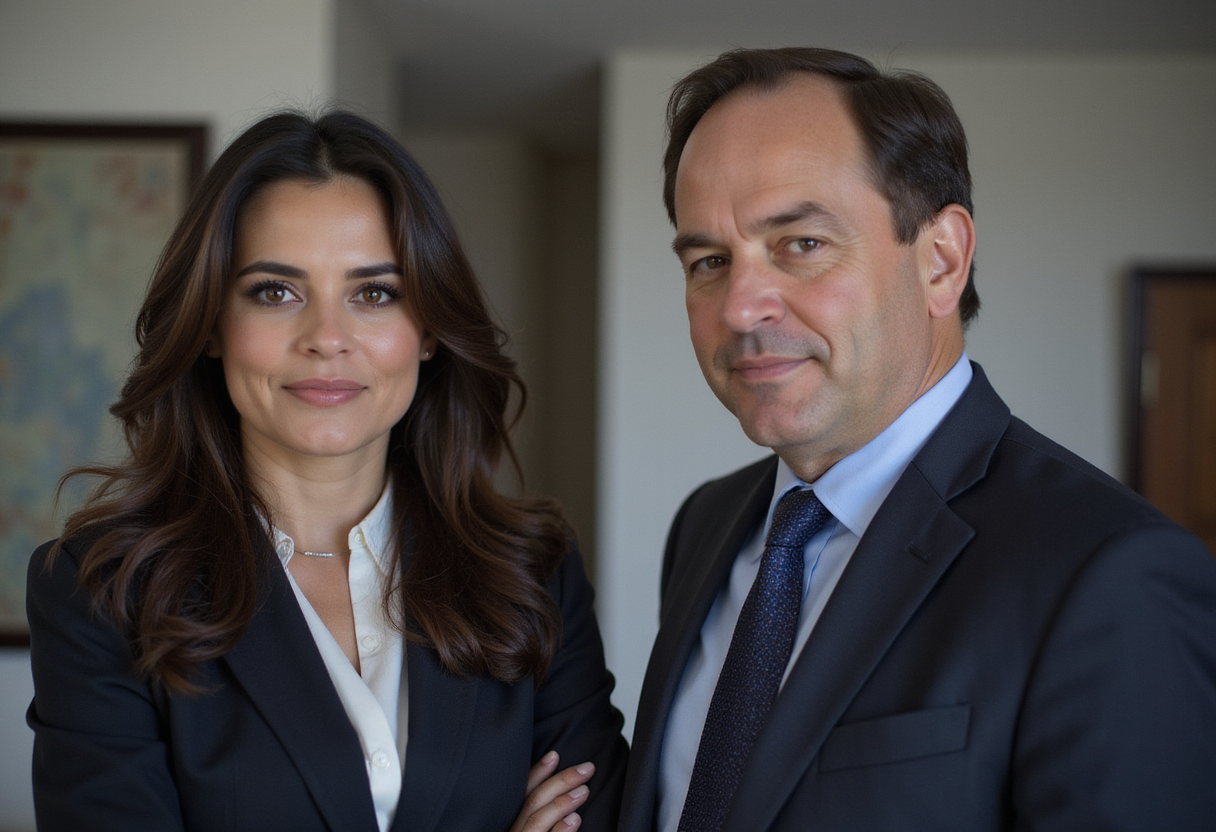
Aaron Sorkin has rewritten "A Few Good Men" for its first Broadway revival, and the production opens Oct. 29 at Lincoln Center's Vivian Beaumont Theater. Director Michael Arden, a two-time Tony winner for "Parade" and "Maybe Happy Ending," leads a cast headed by Tom Blyth, Krysta Rodriguez and Bradley Whitford.
Sorkin never considers his scripts finished. "They're just confiscated," he says. "There comes a time when someone says, 'Pencils down.'" When Arden proposed the revival, Sorkin saw his chance. "The play needed another draft or two," he says. The original ran on Broadway in 1989, and Sorkin adapted it into the 1992 film directed by Rob Reiner and starring Tom Cruise. The new draft, Sorkin says, allowed him "to hang a subtle lantern on this new, very relevant theme: A search for decency. What is it to be decent?"
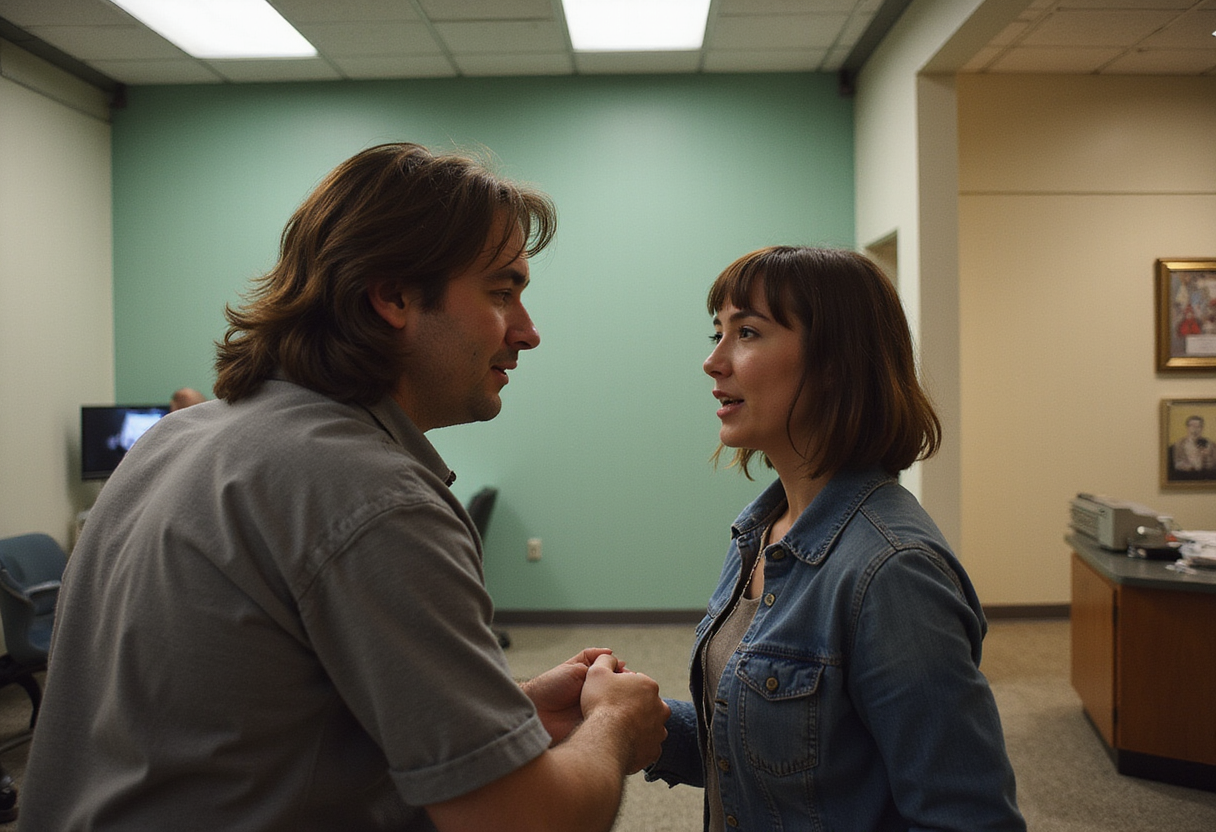
The plot is unchanged. Amid the court-martial of two U.S. Marines accused of killing a Private, Joanne Galloway (Rodriguez) must convince Daniel Kaffee (Blyth) to pursue a lead implicating Colonel Nathan Jessep. Jack Nicholson played Jessep on film; Whitford, who was a replacement Kaffee in the original stage production, now takes the role.
The play's depiction of extrajudicial killing and unchecked military leadership resonates with the cast. "I wish I lived in a world where this play wasn't so terribly relevant again," Whitford says. "It should be a little courtroom chestnut about a time that has passed. But the fundamental argument on the planet today is: Do we survive through law and civil structures, or do we give into the dangers of thinking you can kill your way into security?"
Tom Blyth, the English Juilliard graduate whose films include "The Hunger Games: The Ballad of Songbirds & Snakes" and "People We Meet on Vacation," makes his Broadway debut. "Every time you look at the news," he says, "you see something about Pete Hegseth's military — and how it's going back to this exact time." Sorkin considered setting the new draft in the present day but did not, because Guantanamo Bay, where the play is set, has become a detention facility for migrants, complicating the story.
"I've admired this country," Blyth says. "To be doing this play, as a person who has chosen to come here, at a time when America is having a reckoning about war and masculinity — I'm loving sorting through Pandora's box."
The play's politics extend to gender. Rodriguez, a Broadway veteran playing the role Demi Moore played on film, notes that Galloway outranks Kaffee in the military but sits second on the legal team. "She's insulted constantly," Rodriguez says. "She's diminished. She's told no — and she finds a way every single time." Galloway must do everything Kaffee does, she adds, "in a pencil skirt and heels."
Sorkin connects the theme to the current administration. "One of the things [Hegseth] is doing is kicking out women," he told Rodriguez. "Hyper-qualified women are gone."
"The misogyny is not anachronistic," Whitford says. "There are these moments when I go after her, but we have a president who says, 'Quiet, piggy!' to women. Why is this play so fucking relevant?"
Whitford knows Sorkin's rhythm-driven dialogue from the writer's TV series "The West Wing" and "Studio 60 on the Sunset Strip," but there was a learning curve the first time around: he recalls throwing up backstage on his first night playing Kaffee, wondering, "Why did I let my life bring me to this?"
Arden says the two straight plays he had always wanted to direct were "this and a Shakespeare. Both are musicals in their own way." The play, he says, "moves from scene to scene with a dexterity that is technically impossible — and that's what musicals are."
The rapid banter reflects the characters' intelligence. "You see our competence in the way we can volley back and forth," Rodriguez says. "It puts people at ease that we know what we're talking about, that we can keep that ball in the air."
Blyth embraces the lighter register. "It's buoyant," he says. "We're having fun with it — which you would think would be antithetical to the message of the play, but I'm a big fan of serving your medicine with something sweet." He wants the audience laughing: "The audience is much more receptive when they're able to have a chuckle, right before they get slapped in the face with reality."
The workload is real. Like Whitford in the late 1980s, Blyth is discovering that Kaffee almost never leaves the stage. "I keep wandering off into the wings when a scene is done — when I should be starting the next scene," he says. "It's not that I want to leave!"
Arden says many people assume he is adapting the film's script rather than reviving a play. "I have to correct them and remind them of theater history. We're approaching it not as the film on stage but as if we were approaching a classic text. Even if they've seen the film, it will feel new and like we're a pace ahead of the audience's memory."
"There's a solemnity to the movie that the play does not have," Whitford says. This production, solemn about obligation but committed to a good night out, splits the difference. "Aaron weaves those things together in a really organic way." For a revival arriving amid public debate over the military, gender and the rule of law, that balance may prove the production's sharpest instrument.
Source: Variety Film
More from Daniel Okafor
Show full bio
News editor covering consumer brands and retail at Arts & Voices.
256 articles