Afghan Teens Face 2026 Deportation Deadline in IDFA's 'Boys by the River'
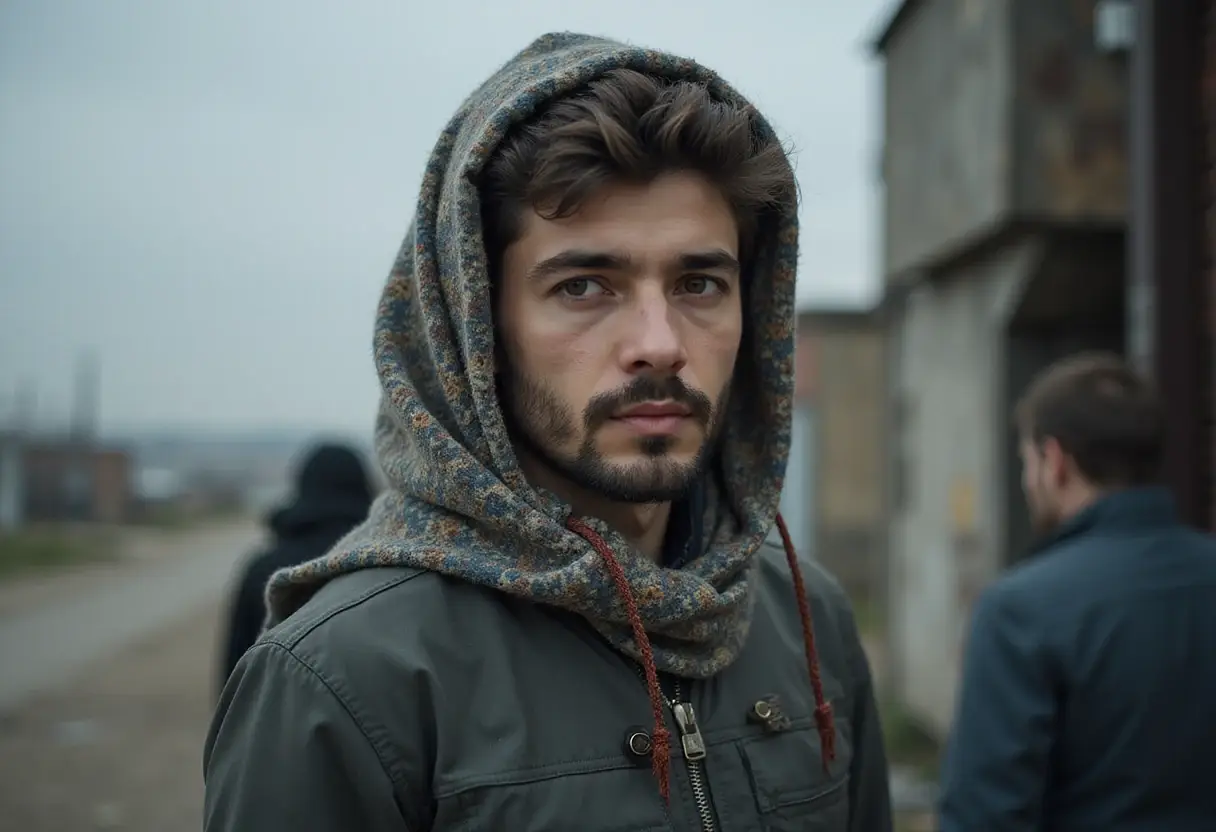
Pablo Briones' 'Boys by the River,' premiering in IDFA's Envision Competition, spends one Alpine day with three Afghan asylum seekers facing deportation from Switzerland from mid-April 2026.
Programme
- "Boys by the River" world premieres in IDFA's Envision Competition in Amsterdam.
- Swiss authorities could deport young male Afghans from mid-April 2026 under new migration rules.
- Hameed's voiceover describes Turkish police shooting at 500 refugees crossing from Iran.
- Producers Intermezzo Films and Cinédokké previously made the 2015 IDFA Audience Award winner "Sonita".
Switzerland plans to deport young Afghan men from mid-April 2026, and that deadline hangs over one summer day in "Boys by the River" ("Ragazzi al fiume"), the doc-fiction hybrid world premiering in IDFA's Envision Competition in Amsterdam. Switzerland-based director Pablo Briones follows three Afghan asylum seekers near the Federal Asylum Centre in Balerna/Novazzano, the southernmost corner of Ticino.
The film opens on news. Ahmad visits Farhad's flat and reports that the State Secretariat for Migration considers Afghanistan safe enough for return, meaning certain young male Afghans could be sent back from mid-April 2026. Ahmad is highly concerned. Farhad seems more nonplussed.
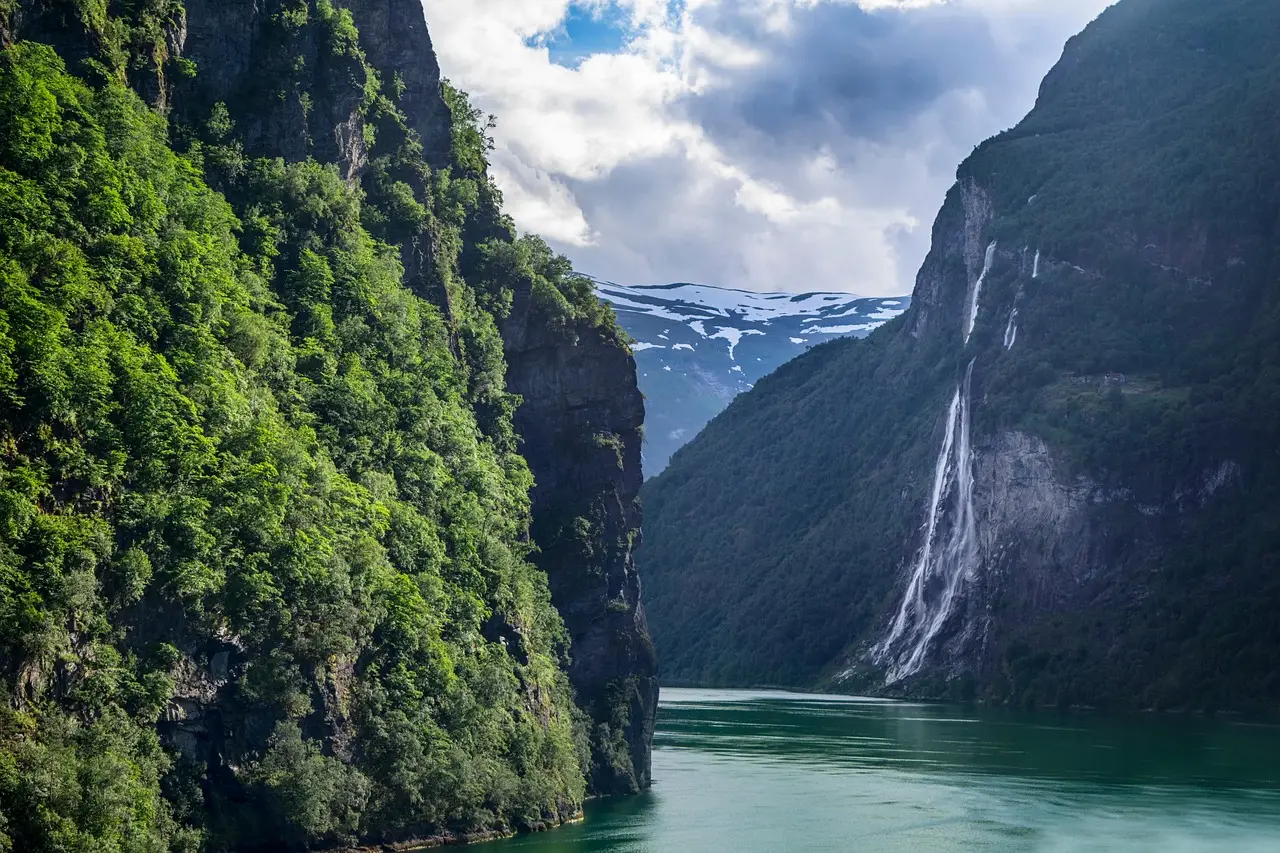
The two friends walk through an industrial zone and a long pedestrian tunnel, emerging into fields and Alpine forest with cliffs, streams and a mesmeric waterfall. Joined by a third young Afghan, Hameed, they spend a hot day swimming, dozing, meeting a couple with children and talking in desultory fashion. One of them calls the place "paradise".
What does the film do differently?
Most films about migrants depict their travails. "Boys by the River" instead structures itself as a single day by the river, with the boys' pasts surfacing only in fragmentary voiceover. Hameed, caught sleeping in the sun, describes how he and some 500 other refugees were shot at with real bullets by Turkish police while crossing from Iran to Turkey.
Briones explained the decision to Variety. "I wanted the film to unfold as a day by the river, where we first meet them as young men enjoying that place," he said. "But knowing someone also means learning something of what they carry. Some memories were shared at my home, without a camera, once we had built trust. I chose to bring them into the film sparingly, so their past could resonate with the present without defining them through suffering or reproducing the interrogations asylum seekers endure."
The film's trauma slowly gives way to a simpler sentiment: the boys' present dream of living in peace.
How does the imagery carry the meaning?
Spectators looking closely will find poetic details with larger resonance: a forest robot, and a lone apple bobbing down a stream, swept by forces beyond its control.
"Observation, for me, happens before filming as much as during it," Briones said. "One day, while swimming there with my children, an apple floated past us. It immediately found its way into the script. Water flows without borders; the apple makes that movement visible, without locking it into one meaning. The robot belongs to another thread of the boys' reality: surveillance and control that follow them wherever they go."
The film repeatedly frames the three in mid long-shot against the tunnel or forest. In one single shot approaching two minutes, Ahmad and Farhad walk through the dark tunnel toward green forest while Ahmad's voiceover compresses his odyssey: "Border, desert, mountains, forest, police, camps, boat, water, fear, fear of cops, fear of animals, fear of getting lost, fear of dying."
"I think we experience life largely through a wide view: we see people within a landscape, notice how they move, then sometimes draw closer," Briones said of his framing. "Filming them at a distance also gives them space, and allows the moments when we come very close to their faces or skin to become more intimate."
Who produced it, and where does it sit in the field?
Two established Swiss producers back the film: Geneva's Intermezzo Films ("Dreamers," "Sonita," "Before Summer Ends") and Ticino's Cinédokké ("The Chilean"). "Sonita" won the 2015 IDFA Audience Award and two Sundance 2016 prizes. "Before Summer Ends" played Cannes' ACID section in 2017. Cinédokké's recent credits include the Locarno Piazza Grande title "Semret".
Briones places the film within a wider current: international documentaries increasingly meld fiction and observation to forge themes and emotions. "I also ventured a little further into fiction, not to simulate reality, but to get closer to it or question it, sometimes even playfully," he said. "That space between documentary and fiction is where I want to keep working, though funding categories often try to force us to define and limit a film long before we can make it."
As the April 2026 deportation deadline approaches, Briones' film records what its three subjects stand to lose: a river, a forest and a measure of peace.
Source: Variety Film
More from Marcus Bennett
Show full bio
Staff writer covering people, launches and day-to-day practice in arts in the broadest sense at Arts & Voices.
1,638 articles