Albania’s Tower Trail links restored kullas with slower tourism
The Albanian Agritourism Association’s nine-day Tower Trail crosses more than 100 miles of northern Albania, linking restored kullas, village guesthouses and slower tourism.
Programme
- The Tower Trail covers more than 100 miles over nine days across north-eastern Albania.
- Albania’s communist regime confiscated many kullas from 1944 until 1991.
- Hajrija Qerimi was 91 and recalled family dinners attended by at least 10 people.
- Kulla Hupi opened as a guesthouse in 2021 and works with more than 10 families.
- A double room in a kulla costs from about £35 a night.
By Marcus Bennett
The Albanian Agritourism Association’s Tower Trail covers more than 100 miles over nine days across north-eastern Albania. The guided route crosses Mirdita, Mat, Bulqiza and Dibra through traditional villages, high plains, forests and river valleys. Long stages can be split or shortened by car transfer. Cycling and 4x4 routes are planned.
The Association developed the route to restore neglected kullas and draw visitors to areas that mass tourism has largely bypassed. Family guesthouses, farms and converted tower houses connect travel income with regional architecture and agriculture.
Sunlight entered through a tiny stone window, warming creaking floorboards. Sheep bells sounded from a passing flock, while baking bread and smoke from the previous night’s fire filled the house.
The kullas’ long decline
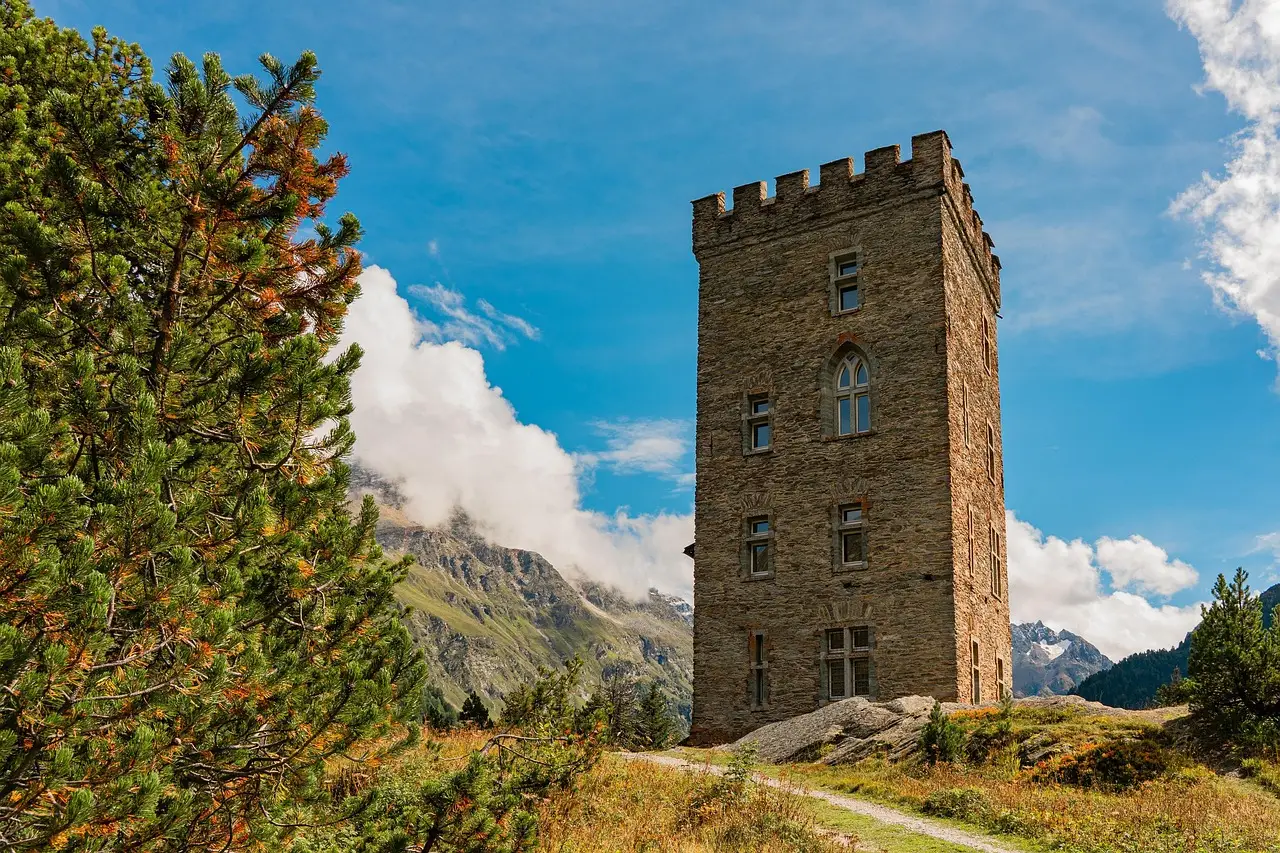
The kulla is a traditional stone tower house found throughout northern Albania, Montenegro and North Macedonia. Such houses protected families during conflict and sheltered weary travellers on trade routes. Most fell into disrepair during the 20th century.
Builders used limestone and wood from surrounding mountains. Skilled craftsmen gave the houses a regular structure while preserving each commissioning family’s character. The buildings withstood severe weather, the 15th-century Ottoman invasion and frequent tribal disputes.
Many more kullas rose in the 18th and 19th centuries. Albania’s communist regime confiscated family homes from 1944 until 1991. Owners reclaimed them and found them in disrepair. Mass migration from rural Albania to cities during the 1990s and 2000s left many houses empty.
On the trail’s first stage, I walked through the hilltop village of Lufaj with Nik Nikolli. He directs Infokulla, a small museum and cultural centre in nearby Rubik that provides free hiking maps and historical information.
Many villages along the route now have only one or two families. “We are losing traditions because people aren’t staying here,” Nikolli said.
Nikolli said tourism developed slowly because accepting money from a guest challenged established traditions of hospitality. He hopes the trail will persuade residents to open kullas and farms as guesthouses, offer visitors distinctive stays and earn supplementary income for their families.
Coffee, shared tables and village memory
Old roads cross hilly karst terrain dotted with caves, chestnut trees and cornfields. Villagers still use many paths. Trail markings remain sporadic, and some sections require travel through unmarked scrub.
On several days, my guide and I accepted coffee and freshly harvested grapes, plums and walnuts. People worked the fields from dawn until dusk, yet still stopped to entertain visitors and recount local history. Agriculture remains the mainstay of life in these villages.
At Derjan on my second day, 91-year-old Hajrija Qerimi recalled growing up in a large kulla nearby. Her father was a successful farmer, remembered for his generosity and regular hosting of travellers. No dinner table held fewer than 10 people.
“My father advised me early on that everyone who comes to the house is offered food and drink, and he taught me what and how to serve,” she said. “The important thing was that nobody left without receiving the absolute best hospitality.”
Restoration without mass tourism
Kulla Hupi opened as a guesthouse in 2021 in the hillside village of Dushaj. Owner Luli Hupi worked for years in a nearby mine and saved money to restore the house room by room. “When you come here, there’s a family waiting for you, and you feel you’re at home,” he said.
Hupi works with more than 10 families. They supply the restaurant’s meat, cheese, honey, bread and other produce, and guide hiking, horseback excursions and cooking classes.
After a simple dinner of warm corn bread, fig jam, pickled salads, goat’s cheese and gjizë, a type of cottage cheese, we sat beside a roaring fire in the oda, the traditional sitting room.
Hupi keeps guest numbers low and rejects the scale of mass tourism. “People say I’m stupid for not having 50 tables at the restaurant,” Hupi laughed. “But I don’t want 50 tables, I want 10, and I want people to have to reserve a month in advance.”
Restoration has begun on many kullas around Hupi, and a slower model of tourism is taking hold. His approach has become a local precedent.
On my penultimate night, I stayed at Butterfly Camping, a small site in a canyon on the Black Drin River. Owner Labinot Murrja lit an open fire and poured local grape brandy.
He and his father cleared and levelled the riverbank themselves. They built three small cabins and left space for tents, tables and a shed with a basic kitchen.
Murrja targets travellers seeking nature, adventure and contact with the nearby village, where he still lives with his family. Local people initially doubted that anyone would visit such a remote place, but changed their view when guests arrived.
He says similar businesses are now opening across the region. “I love this job,” he said with a grin. “It doesn’t make you rich, I’m just doing it for passion.”
Albania’s tourism industry has expanded rapidly in recent years. Local residents have voiced frustration through ongoing protests over a planned luxury resort in a protected coastal area. They question the pace and unsustainable nature of development. Most tourism remains concentrated on the coast and northern Alps, leaving rural inland regions with fewer established routes to market.
What does this change for Albania’s rural interior?
For visitors, the practical change is access to a guided nine-day route through four regions, with restored kullas, farms and guesthouses along it. A double room in a kulla costs from about £35 a night. The route offers an alternative to concentrated coastal tourism, but its scale will remain tied to owners’ preference for small guest numbers.
Further information is available from the Albanian Agritourism Association. The trip was supported by Deutsche Gesellschaft für Internationale Zusammenarbeit (GIZ).
The test is whether more families can add income without repeating the resort-scale development that has triggered coastal protest. Hupi and Murrja have begun with small guest lists, local suppliers and modest infrastructure. The trail’s future significance will depend on whether that model can keep families in villages that migration left empty.
Source: theguardian.com
More from Marcus Bennett
Show full bio
Staff writer covering people, launches and day-to-day practice in arts in the broadest sense at Arts & Voices.
1,114 articles