Alex Gibney's Four-Hour 'Musk' Decodes the World's Richest Man
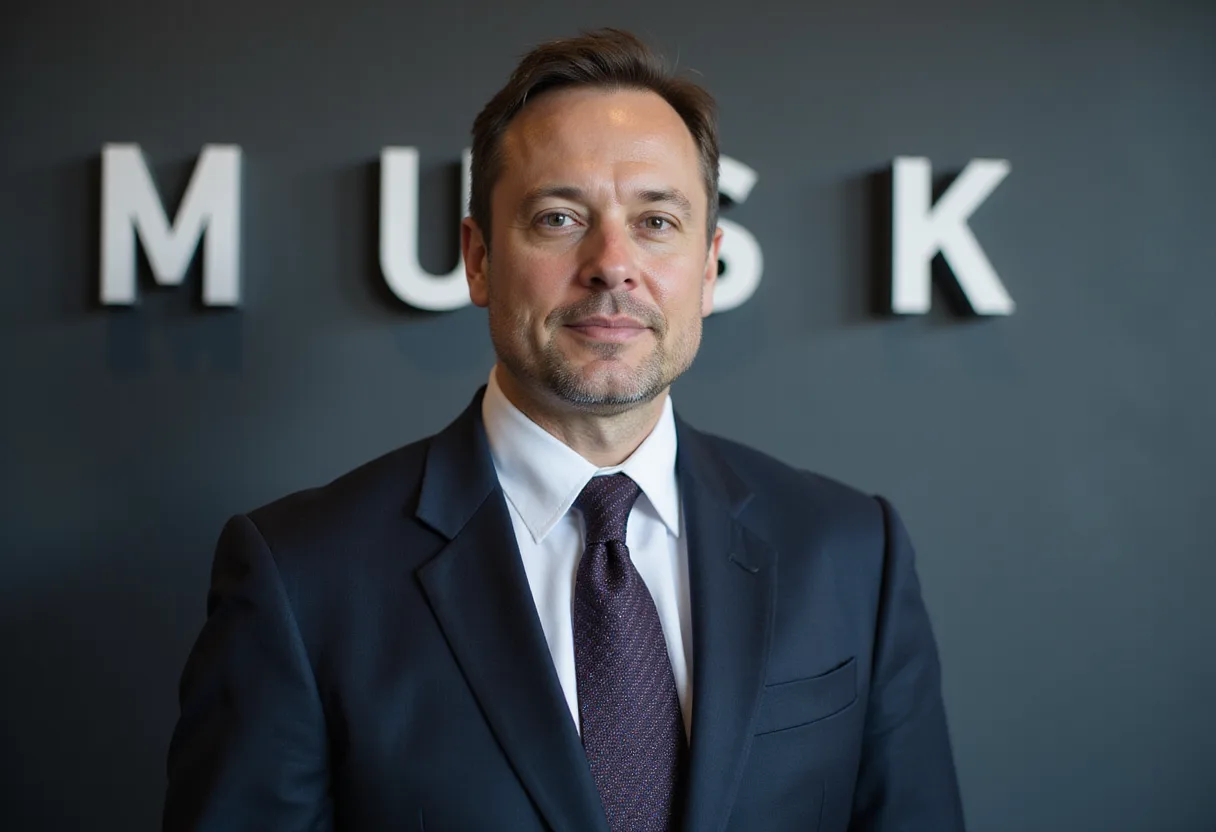
Alex Gibney's four-hour documentary 'Musk' is now in theaters, painting a damning portrait of Elon Musk without a single sit-down interview with its subject.

Programme
- Alex Gibney's documentary 'Musk' runs four hours and is now in theaters.
- The film covers Musk's life from his 1995 founding of Zip2 through his DOGE tenure under Trump's second term.
- Musk refused an interview, calling Gibney a 'douche' in a Twitter exchange that opens the film.
- A 10-minute intermission splits the film, with the second half focused on DOGE and Musk's rightward shift.
- Interviewees include Kara Swisher, first wife Justine Musk, Tesla co-founder Martin Eberhard, and Ashley St. Clair, mother of Musk's son Romulus.
By Daniel Okafor
Alex Gibney's new documentary Musk runs four hours and arrives in theaters now. Its subject refused to sit for it. That, it turns out, is the least of the film's problems — and, somehow, not a problem at all.
The film traces Elon Musk's life from roughly 1995, when he founded his first company, Zip2, through his Tesla and SpaceX empires and into his tenure running DOGE (the Department of Government Efficiency) under what the review calls Trump 2.0. Gibney's central thesis is blunt: Musk's base impulses are to take credit for things he didn't create and obfuscate when they go wrong. The review describes him as a power-hungry oligarch willing to pull every lever to prove he's the smartest guy in the room.
There's no smoking gun, the review concedes. Nothing here that attentive readers of the many books, podcasts, and articles about Musk haven't already gleaned. But in totality and simplicity, Gibney paints a damning picture. You tell enough people you're an engineer, eventually they'll start believing you — that's the arc the film draws, from the illusion of wealth and brilliance in the 1990s to actual wealth acquired, in the review's words, by hustling and grifting his way into companies that were already marginally successful.
What does the film actually deliver?
Two structural problems confront Gibney. First, as a psychological portrait, Musk doesn't require four hours. Tech journalist Kara Swisher explains in the film, at length, that he's essentially a child who doesn't take kindly to being belittled. Second, Musk wouldn't talk. An ill-fated Twitter exchange opens the film: Musk calls Gibney a "douche," and Gibney replies "douché." Any prospect of a sit-down dies there.
Gibney's strangest gambit is a ghoulish AI Musk avatar — leather jacket, gamer chair, a head slightly too big — that he "interviews" throughout. Every word comes from Musk's recorded interviews, but the device is distracting. It's compounded by Matrix-style visuals that frame Musk's wealth acquisition as leveling up in a video game, a nod to his own simulation-hypothesis musings that constantly calls attention to itself.
Who speaks, and who stays silent?
The archival trove works better. Footage stretches back to Zip2, PayPal, and early Tesla, where an awkward Musk in oversized dress shirts and a receding hairline had yet to learn to look the part of an engineer. Justine Musk, his first wife, carries much of this section, tracing the seeds of his disengagement from empathy and the souring of his relationships with fellow engineers and investors.
The film moves quickly through Tesla's dominance and its woes, including Musk's year-after-year promise of autonomous self-driving cars until he got something close to it, with the expected disastrous results. Tesla co-founder Martin Eberhard, whom Musk pushed out of the company, appears. So does the COVID-era rupture: commentators suggest lockdowns triggered a kind of break, after which Musk obsessively pushed conspiracy theories on Twitter and moved right.
After a 10-minute intermission, the review says, the horror movie truly begins. The second half documents Musk's systematic alignment with conservative figures and his turn toward doomsday prepping, complete with an obsession about reproducing his genes. Here Ashley St. Clair — a former conservative influencer and mother of Musk's son Romulus — replaces Justine Musk as the principal voice, describing how Musk exerts control over employees and the mothers of his children through NDAs and monthly stipends. The review calls it fascinating, shocking, and nauseating. When Trump retakes the White House in 2024, Gibney abandons the salacious personal material to focus on DOGE and the havoc Musk and his tween employees wreaked on the federal government.
The absences linger. Grimes is discussed but silent. Talulah Riley, Musk's two-time ex-wife, gets a passing mention. Beyond a few former Twitter and U.S. Digital Service employees, there's no full accounting from those on the other end of his takeovers.
Still, the review's verdict lands: Musk may not be the best documentary Gibney has ever made, but it may be his most complete. Not a bad epitaph for a film its subject wouldn't dignify with an interview.
Source: The Film Stage
More from Daniel Okafor
Show full bio
News editor covering companies, deals and strategy in arts in the broadest sense at Arts & Voices.
669 articles