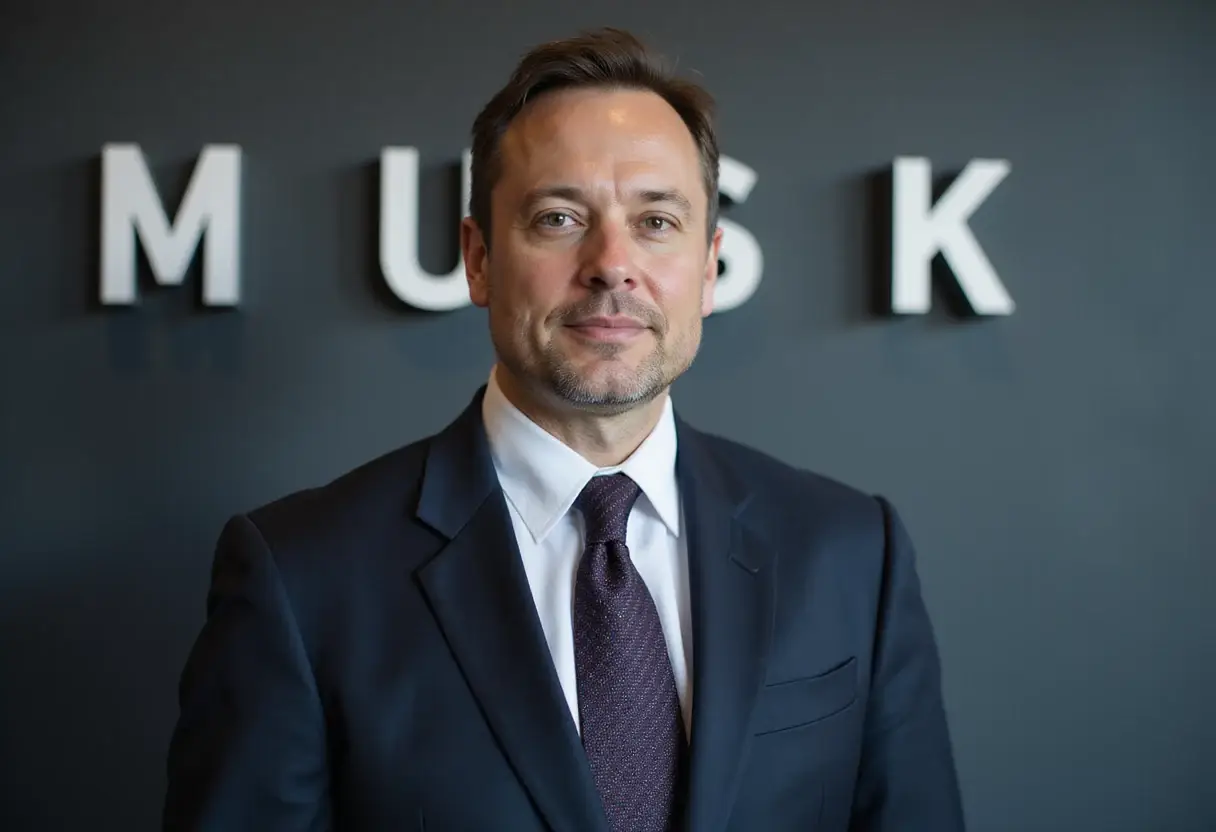
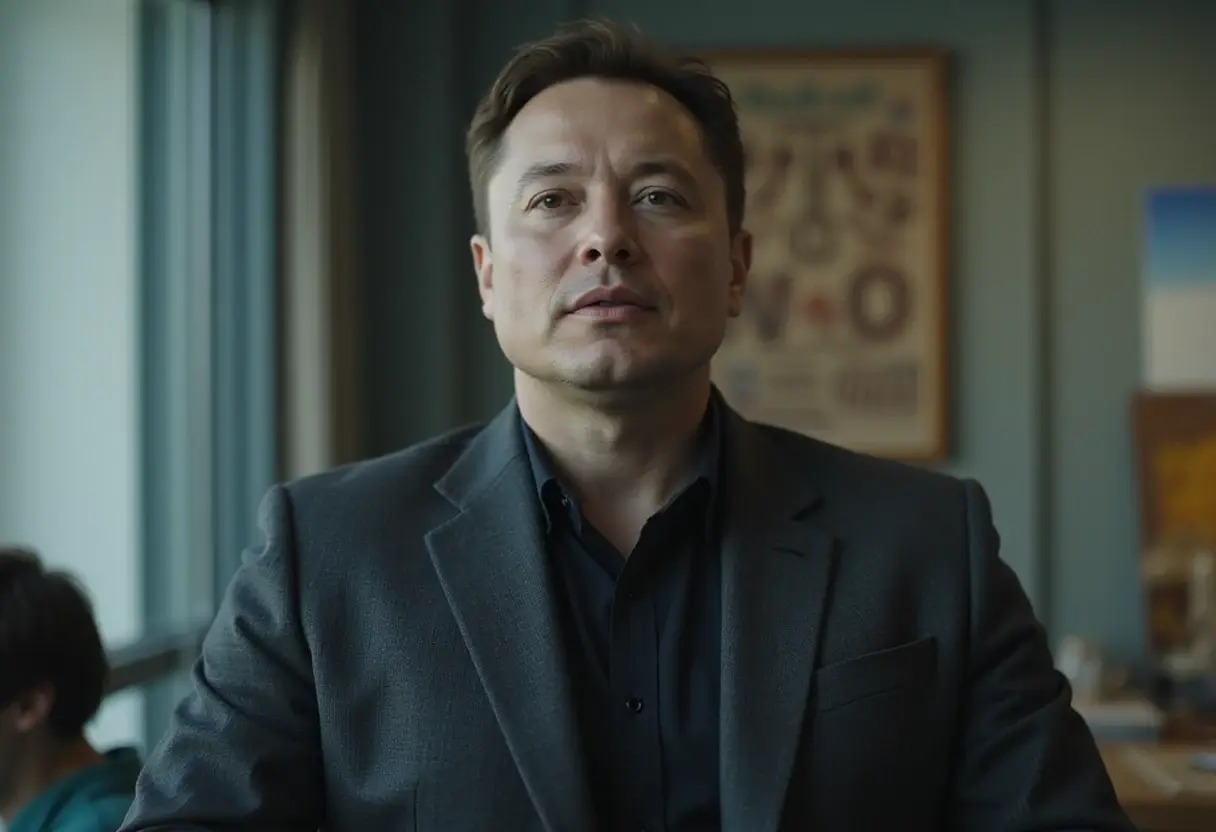
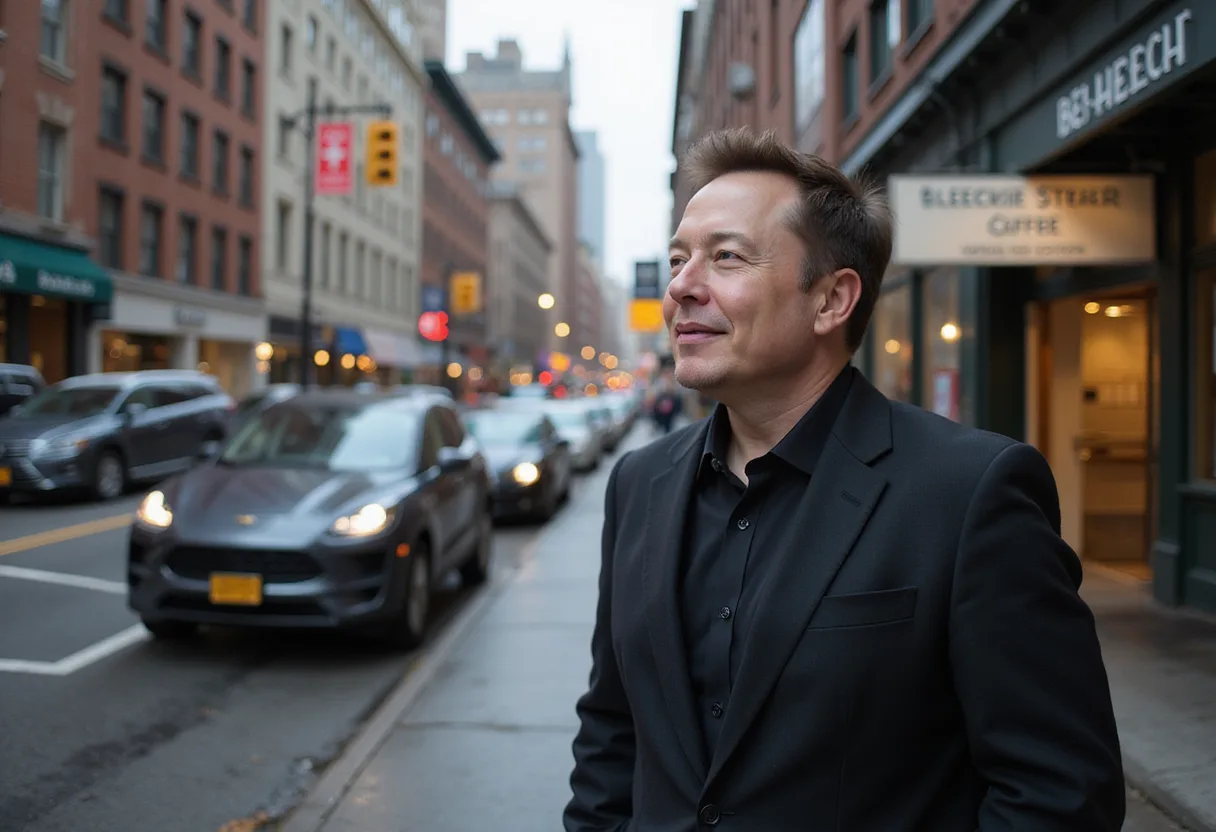
Alex Gibney Says Musk Backed Trump to Kill 32 Federal Probes
At Variety Doc Dreams NYC, Alex Gibney claimed Musk backed Trump to escape 32 federal probes and revealed a Starlink text about the 2024 election.
Programme
- Alex Gibney told Variety's Ramin Setoodeh on Monday that Musk faced 'something like 32 investigations by 11 different federal agencies' including Tesla fraud.
- Gibney's nearly four-hour documentary 'Musk' began production in 2022.
- Ashley St. Clair showed the filmmakers a Musk text citing '10,000 space lasers' — which Gibney links to Starlink and the 2024 election.
- YouTube, TikTok and Meta rejected 'Musk' trailer ads citing 'political content' while accepting ads for 'Melania.'
- Jana Hojdová cut 650 hours of footage for her Robert Richardson film, shot over a decade.
Oscar-winning filmmaker Alex Gibney told Variety's co-editor-in-chief Ramin Setoodeh on Monday that Elon Musk backed Donald Trump's 2024 presidential run to escape "something like 32 investigations by 11 different federal agencies," including a criminal fraud probe at Tesla. Gibney made the claim at Variety Doc Dreams NYC, held at Firehouse Cinema in downtown Manhattan, a series of talks highlighting contenders for this year's Best Documentary Oscar.
Gibney's nearly four-hour film "Musk," which began production in 2022, investigates the man Gibney calls the world's first trillionaire. "I had no idea... that combo of tech power and financial power was then going to merge with political power," Gibney said of starting the project.
Why did Musk turn right?
Musk was once a left-wing favorite, his Tesla takeover even inspiring Robert Downey Jr.'s Tony Stark. His politics shifted right at the onset of the Covid pandemic in 2020, before he became Trump's biggest individual backer in 2024.
"Some people posit that it had to do with his trans daughter [Vivian Wilson]; some people posit that it had to do with regulations during Covid and a snub from Biden. We present all those in the film," Gibney said. But he believes the primary motive was legal peril: the Tesla fraud investigation "would have landed him in prison if he had been convicted," so Musk saw "an opportunity to elect Trump and, knowing that he would be history's most transactional president, knew that he could get rid of all those investigations."
Gibney, whose credits include "Enron: The Smartest Guys in the Room" and "Going Clear: Scientology and the Prison of Belief," sees parallels between Musk and Trump: both "create their own reality" through branding. "Trump was never a builder; he was a brander that put his name on buildings. Musk was never really an inventor; he was an investor, but he created the illusion that he was this science-fiction inventor."
What does the Starlink claim allege?
One of the film's most striking revelations comes from Ashley St. Clair, a former far-right pundit who mothered one of Musk's children after messaging him on Twitter. Gibney said Musk's lawyer threatened to sue over this material, so he chose his words carefully.
According to texts St. Clair showed the filmmakers, Musk believed Trump had won the 2024 election long before anyone else knew. When she asked how, he texted: "I found an anomaly in the matrix, and I have 10,000 space lasers that help me understand this." Gibney read that as a reference to Starlink.
"I don't believe Elon did either — that that means he switched votes in the election of 2024, but I do think it meant that he found some way to intercept signals of reporting from ballot places so that he knew well in advance," Gibney said. "It puts in your mind this idea that Starlink is not just a means of communication; it's a means of surveillance and control."
Gibney also noted that YouTube, TikTok and Meta all rejected paid ads for the "Musk" trailer, citing "political content" — while running ads for the "Melania" documentary. The rejections came "right at the time, interestingly enough, that Elon Musk was having dinner with Xi Jinping, along with Jeff Bezos and Zuckerberg, at the White House." His conclusion: "If you engage in discourse that seems to upset the tech bros, lo and behold, that discourse is not permitted on those platforms."
Asked about his upcoming Hulu documentary on Luigi Mangione, and whether he plans to interview Mangione in prison, Gibney grinned: "No comment."
What did the other documentarians say?
A second talk, hosted by Variety chief correspondent Marlow Stern, featured three films:
- "Robert Richardson: The White Devil," directed by Jana Hojdová about the three-time Oscar-winning cinematographer behind "Platoon," "Casino" and "Kill Bill Vols. 1 & 2."
- "Mighty Mary," Mary Mazzio's film about the first all-women's team to compete for the America's Cup, in 1995.
- "Standout: The Ben Kjar Story," Tanner Christensen's film about a wrestler born with Crouzon syndrome.
Hojdová, a graduate student in Prague, won Richardson over by email, then spent a decade shadowing him — including months trapped together during Covid lockdowns. She spent three years securing participation from Richardson's regular collaborators Oliver Stone, Quentin Tarantino and Martin Scorsese, and whittled 650 hours of footage into a feature. Richardson has one director left on his wishlist: "Paul Thomas Anderson: If you're in the room, please call."
Mazzio, a former Olympic rower, said the America's Cup story had "more twists and turns than a murder mystery." Initially billed as a publicity stunt by billionaire Bill Koch, the women defeated some of the world's greatest sailors. "We're living in this administration... where we're seeing regression of opportunities for women and people of color, and this story was this women's team that crashed this all-male party," she said. She recruited Hugh Jackman and Elizabeth Banks to executive produce and narrate — winning Jackman, a rowing-machine fanatic, by offering to fix his form.
Ben Kjar became a three-time Utah high school state wrestling champion, Utah Valley University's first NCAA Division I Wrestling All-American, and won the Greco-Roman World Championship at 40. Executive producer Jared Hess ("Napoleon Dynamite") pitched the film as: "Have you ever seen the movie 'Wonder?' Imagine if the little boy grows up to be Rocky Balboa." Kjar recalled his mother's response to childhood cruelty: "I see someone who's different and is born to make a difference."
What closed the day?
A final panel, moderated by Variety's Ethan Shanfeld, covered "The Secret Reading Club of Kabul" and "The Second Life of Freddie Nole." The first, co-directed by Shakiba Adil and Elina Hirvonen, follows young Afghan women documenting their lives under Taliban rule, inspired by "The Diary of Anne Frank." It includes cellphone footage of public executions and whippings. "I was OK to make the Western audience uncomfortable for a few seconds, because you have to see the reality of what's happening in Afghanistan," said Adil, who fled Kabul in 2021. Dana Nachman's 20-minute "The Second Life of Freddie Nole" follows a formerly incarcerated man who picks people up from prison with fresh clothes, a cellphone and job leads — a story she approached "from a very human standpoint."
Whether Gibney's investigation of Musk can survive legal pressure and platform gatekeeping will shape how much of it audiences actually see as awards season unfolds.
Source: Variety Film
More from Tom Whitfield
Show full bio
Market editor covering people, launches and day-to-day practice in arts in the broadest sense at Arts & Voices.
1,245 articles