All Nine Van Eyck Oil Portraits Unite in London for the First Time
All nine known oil portraits by Jan van Eyck meet for the first time at London's National Gallery, November 21, 2026, through April 11, 2027.
Programme
- "Van Eyck: The Portraits" opens November 21, 2026 at the National Gallery, London, and runs through April 11, 2027.
- All nine known van Eyck oil portraits will be displayed together for the first time.
- The show includes the Arnolfini Portrait (1434) and Portrait of a Man (1433), a probable self-portrait.
- Portrait of Margaret van Eyck (1439) is the only portrait of a woman alone in the group.
All nine known oil portraits by Jan van Eyck (c. 1395–1441) will hang together for the first time at London's National Gallery from November 21, 2026. The exhibition, "Van Eyck: The Portraits," runs through April 11, 2027. Every panel normally lives in a European museum; none has shared a room with the full set before.
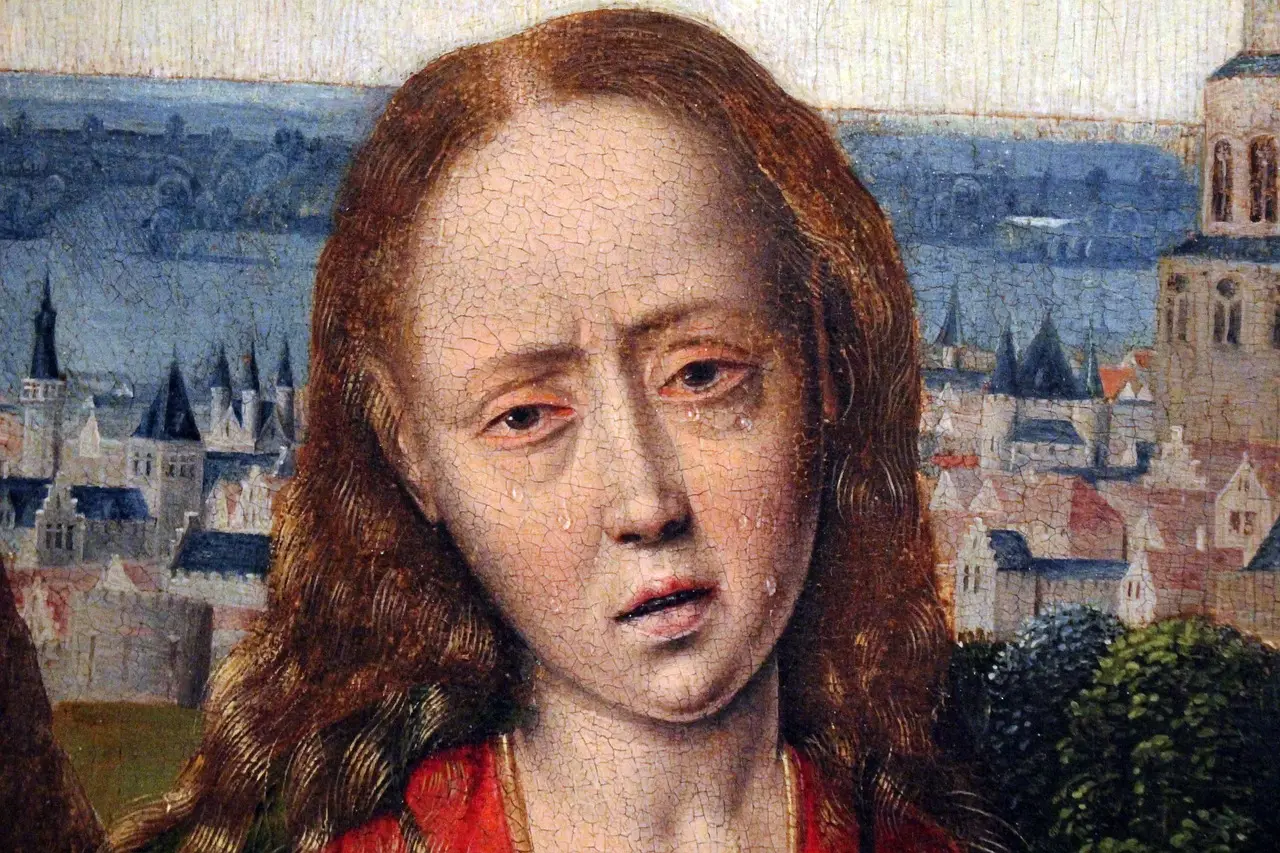
Van Eyck was perfecting oil portraiture in the first decades of the 1400s, roughly four centuries before photography arrived in 1839. Roger Harris, writing in Art & Antiques Magazine, notes the paradox: the works are effectively photographic in their detail, recording gazes, clothing and daily habits of the 15th-century world.
What does the curator say?
Exhibition curator Emma Capron, Curator of Early Netherlandish and German Paintings at the National Gallery, said: "Pushing the possibilities of oil painting to convey a convincing illusion of reality, suddenly we are faced with individuals pulsating with life, every single detail of their appearance captured, sitters who look back at us and who speak to us through elaborate and often enigmatic inscriptions. These portrait's ability to baffle by their precision and liveliness is intact today."
That's the thesis. The paintings still do their baffling in person, six centuries on.
Which works are coming?
The lineup includes the most famous of them all:
- Portrait of Giovanni (?) Arnolfini and his Wife (1434), the man, wife and small dog from the Gallery's own collection, with its convex mirror reflecting the room and a window view of the world outside — oil on wood, 82.2 × 60 cm.
- Portrait of a Man (1433), widely read by art historians as a self-portrait, its crimson chaperon (a wrapped cloth headgear of the period) worn jauntily, with light and shadow worked into the turban-like folds.
- Portrait of Margaret van Eyck (1439), the only portrait of a woman alone, depicting the artist's wife, then in her early 30s, in a "horned wimple" — oil on oak, 32.6 × 25.8 cm, on loan from the Groeningemuseum, Bruges.
- Portrait of Baudoin de Lannoy (about 1435–40), 26.6 × 19.5 cm, from the Gemäldegalerie, Berlin.
Chaperons, wrapped and unwrapped, turn up in four further portraits on view:
- Portrait of a Man (Léal Souvenir), 1432
- Portrait of a Man in a Blue Chaperon, about 1428–30
- Portrait of Jan de Leeuw, 1436
- Portrait of a Man (Giovanni Arnolfini?), about 1435–8
Why it matters now
Nearly 600 years separate visitors from these sitters, yet the likenesses hold. Harris puts it plainly: even without chaperons and wimples, modern museum-goers will recognize themselves in the timeless expressions on these faces. Van Eyck's precision still does what it did in Bruges — it stares back.
For a portrait tradition that launched oil painting's illusionist ambitions, this is the first and likely last chance to see the entire known corpus in one gallery. Book accordingly.
Source: artandantiquesmag.com
More from Daniel Okafor
Show full bio
News editor covering companies, deals and strategy in arts in the broadest sense at Arts & Voices.
1,074 articles