Allan Sekula's 'Fish Story' Arrives in New York as a Seafaring Epic
Allan Sekula's photo-text epic 'Fish Story,' called the greatest seafaring work in contemporary art, makes its New York debut with timely force.
Programme
- Allan Sekula's 'Fish Story' has made its New York debut.
- In 1993 Sekula documented a Kaiser Steel mill in Fontana, Calif., shipped to China aboard seven ships.
- The mill once produced 2.3 million tons of high-grade carbon steel a year.
- The New York Times reported in 1979 that the mill 'was a symbol of America's industrial might.'
Allan Sekula's "Fish Story," called "the greatest seafaring epic in contemporary art" by our critic, has made its New York debut. The work, told through photographs and text, arrives at a moment the critic finds impossible to separate from the tides of global trade it documents.
The sea is timeless. The critic's judgment is not hedged: among contemporary artworks that take the ocean and its labor as subject, "Fish Story" stands first.
What does the work actually show?
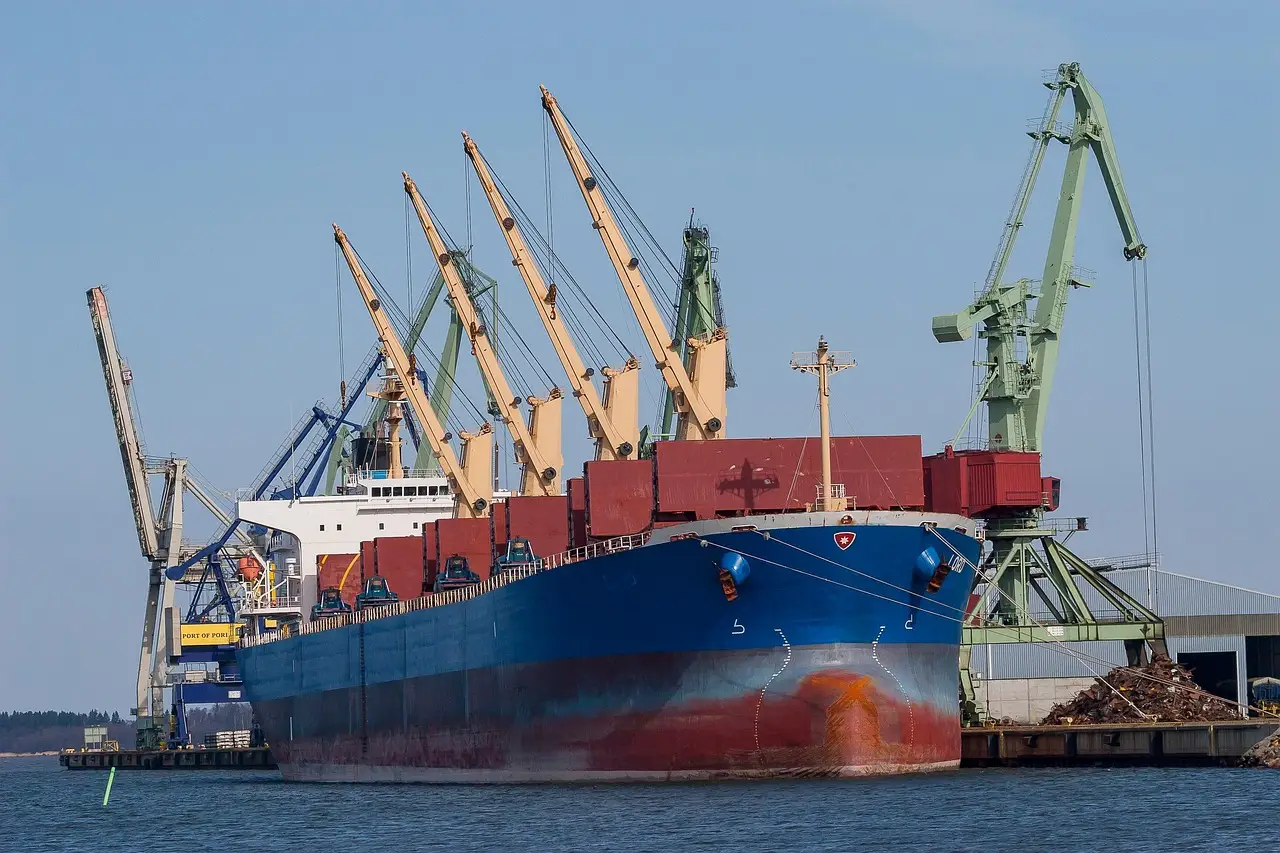
One anecdote anchors the piece. In 1993, Sekula, an artist and writer, traveled to Fontana, Calif. There he watched Chinese workers break apart a mothballed Kaiser Steel mill with meticulous care. The workers trucked the pieces to the coast and loaded the mill onto seven ships bound for southern China, where it would be reassembled.
Sekula photographed the scene. His images show gargantuan cauldrons hoisted onto the decks, a sight the critic reads as an echo of an earlier maritime age — the decades when muscular dockworkers loaded bananas, molasses, fish and other lumpy, pungent goods by hand, handling bales and nets in the open air.
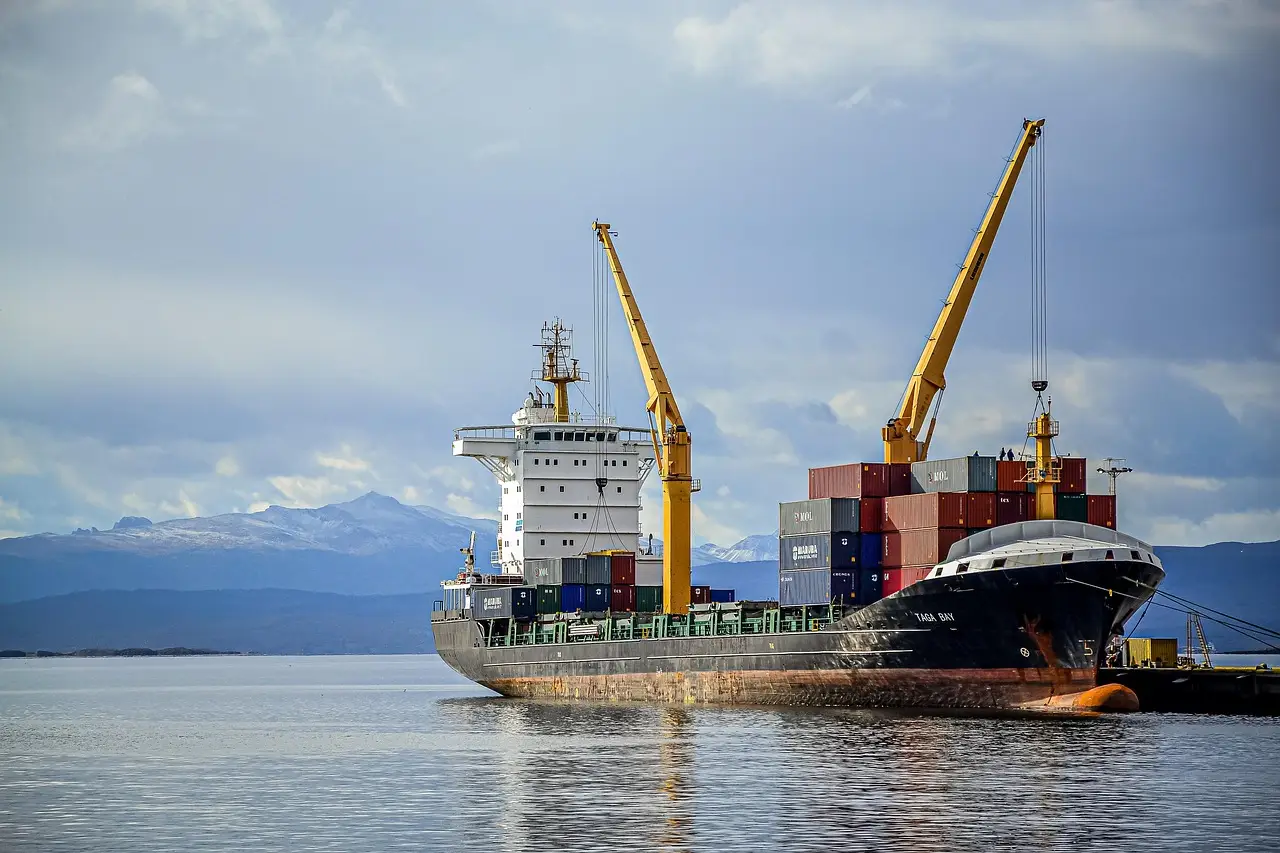
That era ended in the mid-20th century. Goods began traveling sealed in steel containers, and the human texture of cargo disappeared behind steel walls.
Why the Kaiser mill matters
The mill Sekula documented carried a heavy symbolic load. As The New York Times reported in 1979, the Kaiser mill "was a symbol of America's industrial might." It employed thousands of workers and produced 2.3 million tons of high-grade carbon steel a year.
The decline came fast. The same reporting described how the mill quickly became "a symbol of wrenching changes in the economy, its roaring furnaces burdened by international competition, environmental regulations, labor disputes and the encroachments of corporate raiders."
Sekula's camera caught the endpoint of that story: an American industrial landmark dismantled piece by piece, shipped across the Pacific, and rebuilt as someone else's productive capacity.
What does this change for viewers?
For a New York audience, the debut offers a chance to see the machinery of globalization rendered as epic. The work binds two histories — the age of handled cargo and the age of the container — into one continuous narrative of labor at sea.
The timing is the critic's sharpest point. A work about ships, steel and displaced industry, made in the 1990s, reads today as a record of the very currents that now dominate economic news. Its New York arrival turns a historical document back into an urgent one.
Source: NYT Arts
More from Marcus Bennett
Show full bio
Staff writer covering people, launches and day-to-day practice in arts in the broadest sense at Arts & Voices.
1,205 articles