Allan Sekula's 'Fish Story' Docks in New York: A Seafaring Epic for the Container Age
Allan Sekula's 'Fish Story,' called the greatest seafaring epic in contemporary art, opens in New York — with a 1993 steel mill shipped to China aboard seven ships at its heart.
Programme
- Allan Sekula's photo-text work 'Fish Story' has made its New York debut.
- In 1993 Sekula photographed Chinese workers dismantling the Kaiser Steel mill in Fontana, Calif., for shipment to China aboard seven ships.
- The mill produced 2.3 million tons of high-grade carbon steel a year, The New York Times reported in 1979.
- The critic calls 'Fish Story' the greatest seafaring epic in contemporary art.
Allan Sekula's "Fish Story" — described by our critic as "the greatest seafaring epic in contemporary art" — has made its New York debut, and the timing, the review argues, could not be sharper.
The work is built from photographs and text, and it tracks how the sea itself changed in the mid-20th century. That's the mechanism underneath the epic. Before containerization (the shift to shipping goods sealed in standardized steel boxes), dockworkers loaded cargo by hand: bananas, molasses, fish, and what the review calls "lumpy, pungent goods." After the boxes arrived, the human body disappeared from the picture. Sekula's camera puts it back.
What's the story at the center of the work?
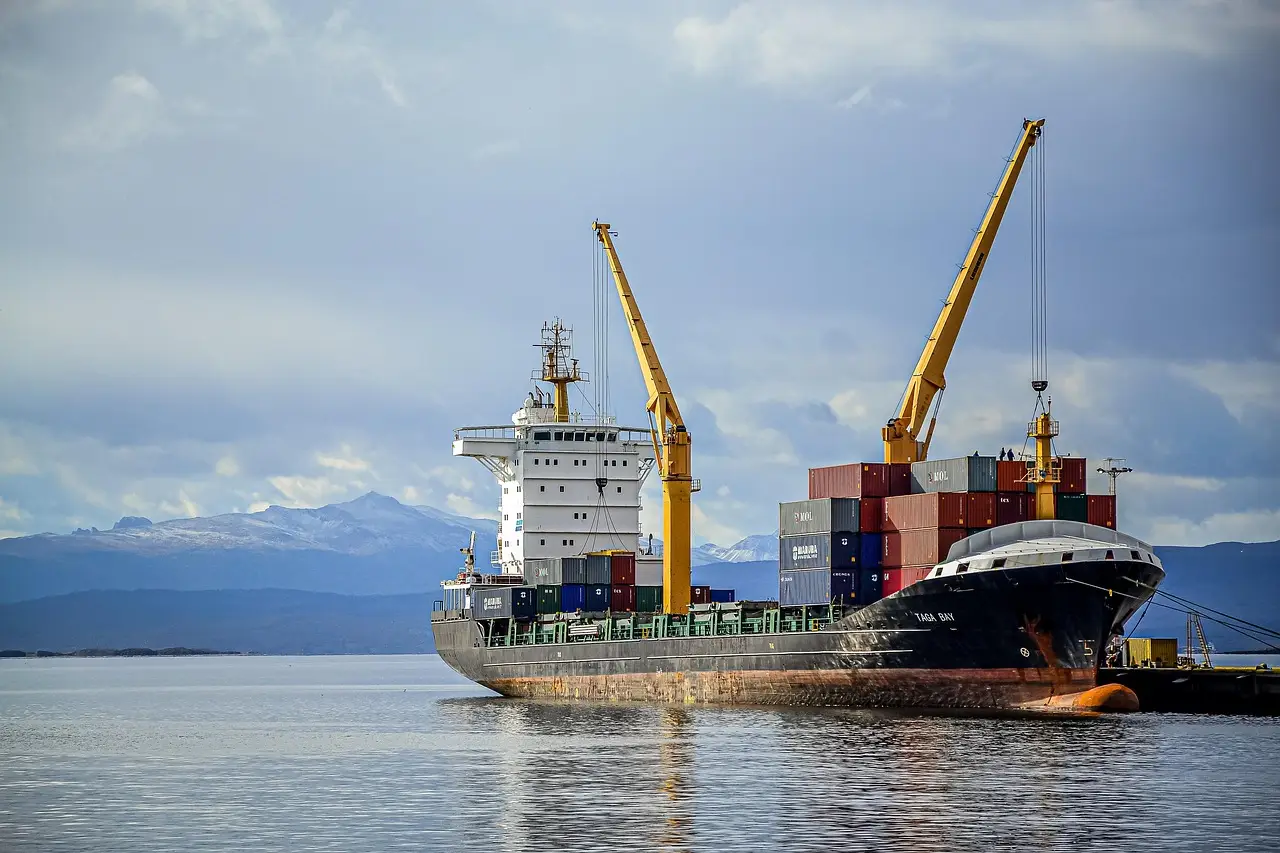
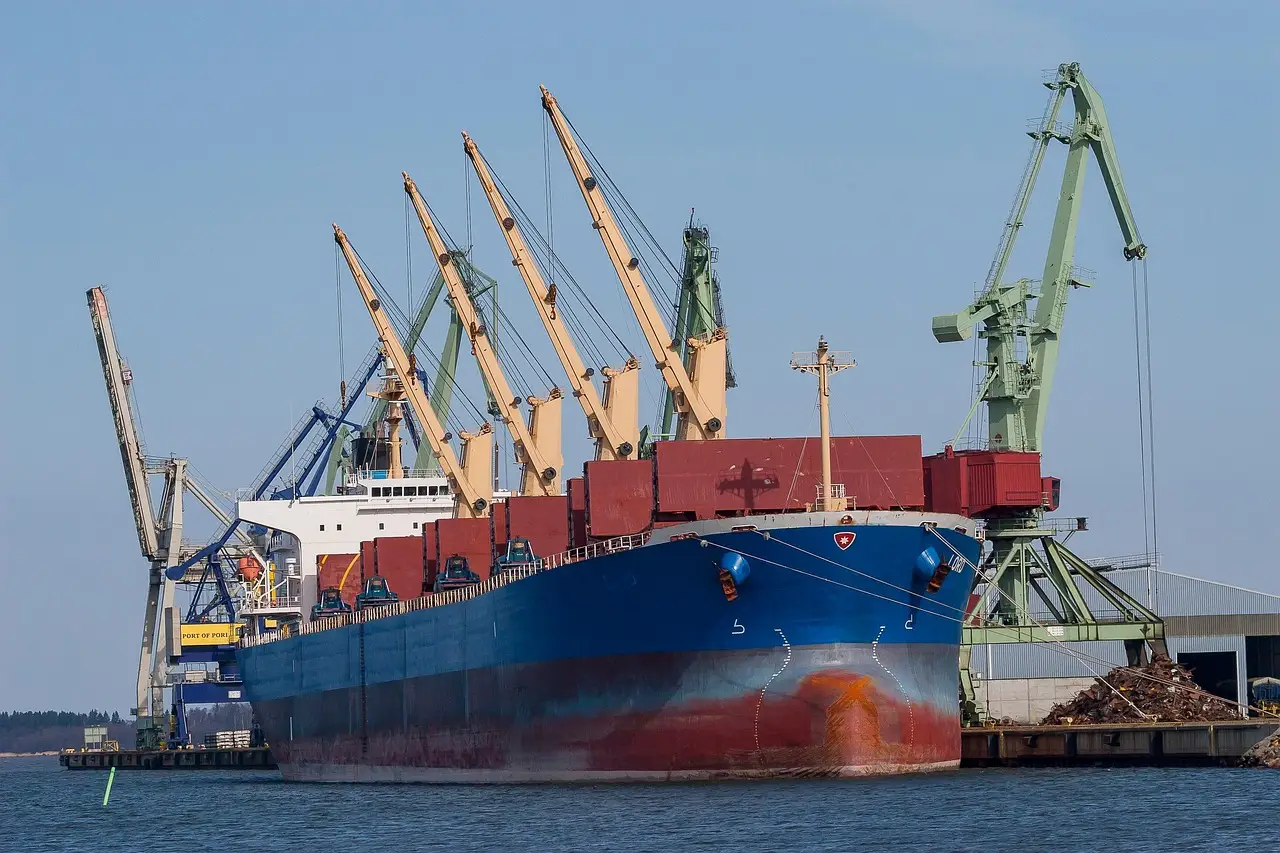
One anecdote anchors the review. In 1993, Sekula, an artist and writer, traveled to Fontana, Calif., to watch Chinese workers dismantle a mothballed Kaiser Steel mill. They broke it apart piece by piece, trucked the pieces to the coast, and loaded the mill onto seven ships bound for southern China, where workers would reassemble it.
Sekula photographed gargantuan cauldrons hoisted onto the decks. The images echo an older maritime world — the bales and nets of the era when muscly dockworkers handled cargo by hand, before goods began traveling sealed in steel boxes.
Why the Kaiser mill matters
The mill was not just any factory. As The New York Times reported in 1979, it "was a symbol of America's industrial might." It employed thousands of workers and produced 2.3 million tons of high-grade carbon steel a year.
The decline came fast. The same reporting described how the mill became "a symbol of wrenching changes in the economy, its roaring furnaces burdened by international competition, environmental regulations, labor disputes and the encroachments of corporate raiders."
That collapse is the story Sekula's camera caught in motion: American industrial might, unbolted and exported aboard seven ships, reassembled on the other side of the Pacific.
What does this change for viewers?
The critic's framing suggests a practical takeaway. "Fish Story" turns an abstract economic process — deindustrialization, offshoring, containerized trade — into something you can see. The 1993 Fontana scenes do the explanatory work that trade statistics can't: a mill that once poured 2.3 million tons of steel a year leaves California as deck cargo, hoisted like the banana bales it replaced.
The sea, the review notes, is timeless. The systems moving goods across it are not. Sekula documented the moment the old maritime world of manual labor gave way to the box, and the New York debut lands that history in front of a present-day audience still living inside the container economy the work describes.
Source: NYT Arts
More from Grace Kim
Show full bio
Correspondent covering technology and product news in arts in the broadest sense at Arts & Voices.
1,237 articles