Andrew Watt on Madonna, McCartney and the Stones: Inside Rock's Busiest Desk
Producer Andrew Watt made Stones and McCartney albums in one year, spent four days with Madonna on Confessions II, and revealed why a final Black Sabbath record collapsed.

Programme
- Andrew Watt produced both a Rolling Stones album and a Paul McCartney album in the same year — a first for any producer
- Four days of sessions with Madonna, Stuart Price and Cirkut yielded three songs, two released on Confessions II
- A final Black Sabbath album with all original members was scrapped because Bill Ward declined for personal reasons
- The McCartney album took five years of intermittent sessions, with no album planned until the final two or three months
- Watt is producing Michael Stipe's upcoming solo album after meeting him through Elton John
No producer has ever made albums for both the Rolling Stones and Paul McCartney in the same year — until Andrew Watt did it in the past twelve months. Watt laid out how it happened in a new interview on The Rolling Stone Studio, covering sessions with Madonna, Lady Gaga, Michael Stipe, Brandi Carlile and an abandoned final Black Sabbath record.
What did Watt make with Madonna?
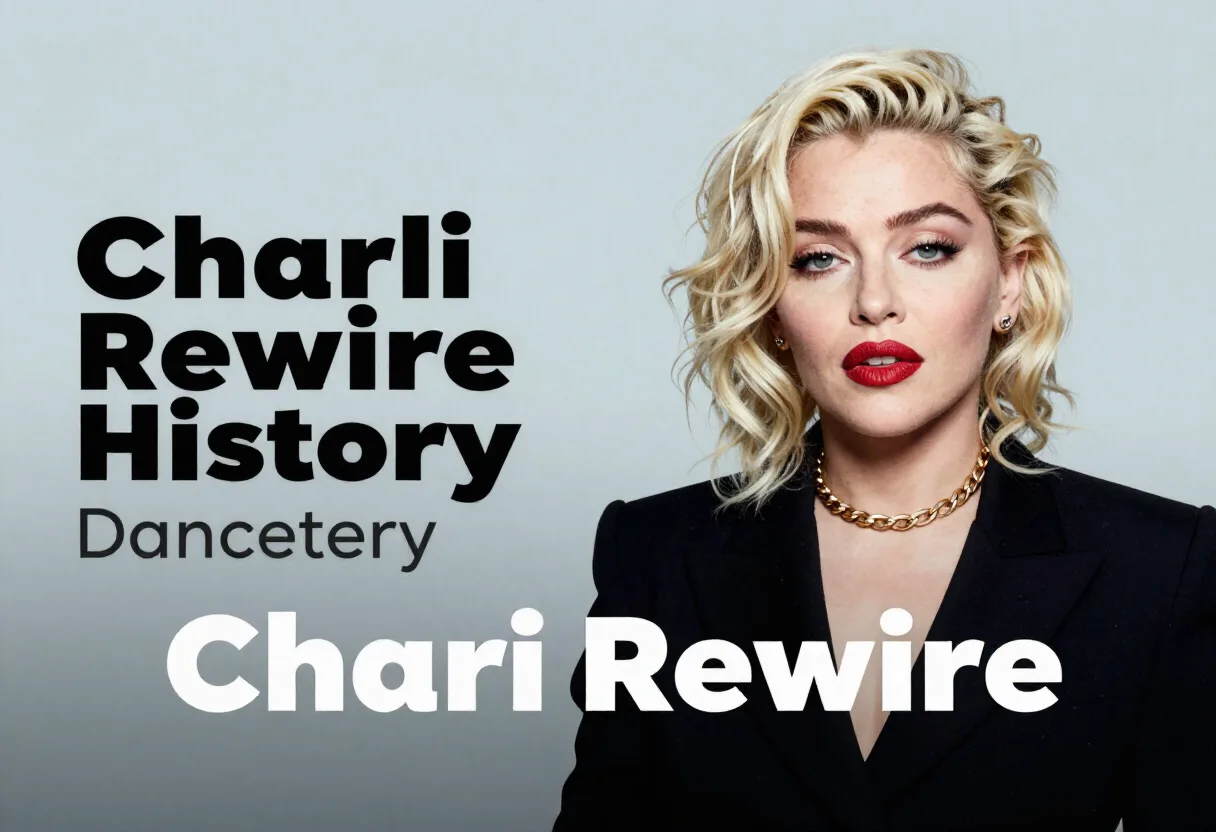
Watt co-produced two tracks on Madonna's Confessions II, including "Danceteria," a song about the New York club where her career began, later remixed with a Charli XCX contribution. "She obviously invented talking on a pop song, right?" Watt said. "So we threw the beat on, and then she started just talking about her life. It's her origin story."
Watt introduced the two artists by text before they ever recorded, after learning at a wedding that Charli XCX had never met Madonna. The sessions themselves were brief: four days in the studio with Stuart Price and Cirkut produced three songs, two of which were released. One, "Lower East Side Girl," began with Watt on guitar, writing lyrics back and forth with Madonna. "I think it started a friendship between us," he said. "We're text buddies now… whenever she needs me, I'm there."
What happened to the final Black Sabbath album?
Watt corrected the story behind the scrapped record. Tony Iommi had suggested Watt's enthusiasm sank the project; Watt called that "taken out of context." The real obstacle, he said, was drummer Bill Ward. Ozzy Osbourne's plan hinged on reuniting all four original members. Watt called Tony Iommi and Geezer Butler, and both answered the same way: "If Bill would do it, yes." Ward, after what Watt called a long, strange conversation — "He was speaking in tongues" — declined for personal reasons. "There was no reason to do it" without him, Watt said.
Watt also confirmed unreleased Ozzy material exists. The night before the Back to the Beginning concert in Birmingham, Osbourne summoned him to his hotel with a curry, and the two listened to the songs and made notes. "That and the next day were the last times I got to see him," Watt said. "I miss him every day." Osbourne also left him a lesson he still applies: "The most important part in a rock & roll mix is the bass."
How did the McCartney album come together?
The McCartney record took five years, Watt revealed, and for most of that time there was no album — just intermittent fortnights in Los Angeles. "It was just the two of us. Like, the whole time," Watt said. McCartney, whom Watt called "a hundred-percenter" who can play, mix, produce and write everything, chose a producer "out of desire," not necessity.
The opening track, "As You Lie There," started from a "weird chord" McCartney played on a left-handed guitar Watt had panic-bought the night before. "You can write a song out of anything," McCartney told him. Watt compared working with him to "going to college" — every stint left him a better musician.
Will there be another Stones album?
Watt described standing in the live room during Stones sessions, calling out sections — "B section," "take it out on that" — while the band tracked. "When those three guys play together, the roof leaves the building," he said. Asked about a follow-up, he answered plainly: "I don't know. I didn't know if there was gonna be another one after the first one. If they call, I'm there."
What else is on Watt's slate?
His collaboration with Michael Stipe on "I Played the Fool" — a connection made through Elton John, who Watt says had never given out Stipe's number before — has grown into work on Stipe's long-gestating solo album. Watt dismissed the idea that Stipe is stalling: "He's extremely hard on himself… he is wanting to make sure that he is gonna say exactly what he wants to say." Stipe, Watt noted, is now working with multiple collaborators to replace the "beds of music" R.E.M. once wrote.
The Gaga partnership continues too, including "The Dead Dance" and songs for The Devil Wears Prada 2. "Whenever she sounds the bell, I'll be there," Watt said. He is also scoring the Apple TV-adjacent show Rooster, created by his future father-in-law Bill Lawrence and Matt Tarses, built around Steve Carell and steeped in the sound of Eighties American college rock — which is how R.E.M. entered the picture in the first place.
What does all this change for listeners? A Michael Stipe solo album now has a proven finisher attached, unreleased Ozzy material has a champion, and — pending a phone call — the Stones may not be done yet.
Source: rollingstone.com
More from Tom Whitfield
Show full bio
Market editor covering people, launches and day-to-day practice in arts in the broadest sense at Arts & Voices.
1,141 articles