Anselm Kiefer's Holocaust-haunted forests return to White Cube
Anselm Kiefer returns to White Cube Bermondsey with studio landscapes in gold leaf and verdigris. The Guardian finds them powerfully seductive yet unable to match the gravity of his Holocaust themes.
Programme
- Anselm Kiefer's new exhibition runs at White Cube Bermondsey, London
- His previous show at the gallery, Walhalla, was staged in 2016
- The new works depict the artist's studio, landscapes and a forest cabin in gold leaf and verdigris
- Kiefer's actual studio is a vast warehouse complex on the outskirts of Paris
- The Guardian review argues even the paintings' vast scale can't do justice to the gravity of their themes
Anselm Kiefer has opened a new exhibition of paintings at White Cube Bermondsey in London, a decade after his 2016 show Walhalla at the same gallery, and the subject this time is closer to home: the artist's studio, rendered as a suite of landscapes and a simple wooden cabin in the forest.
The Guardian's review frames the stakes bluntly: Kiefer "asks what art means after the Holocaust – but even the vast scale of his powerfully seductive paintings can't do justice to the gravity of his themes."
That's the mechanism driving the whole show. Kiefer has spent his career asking what art can mean after the end of European civilisation — which the reviewer glosses as, after the Holocaust — and he has always reached for old stories to do it, drawing on Norse mythology and German Romantic poetry for his monumental, reliably blockbuster canvases. Now, the critic argues, with the world falling apart, the artist retreats to the studio. It's an old story too, and Kiefer loves those.
What do the new paintings actually look like?
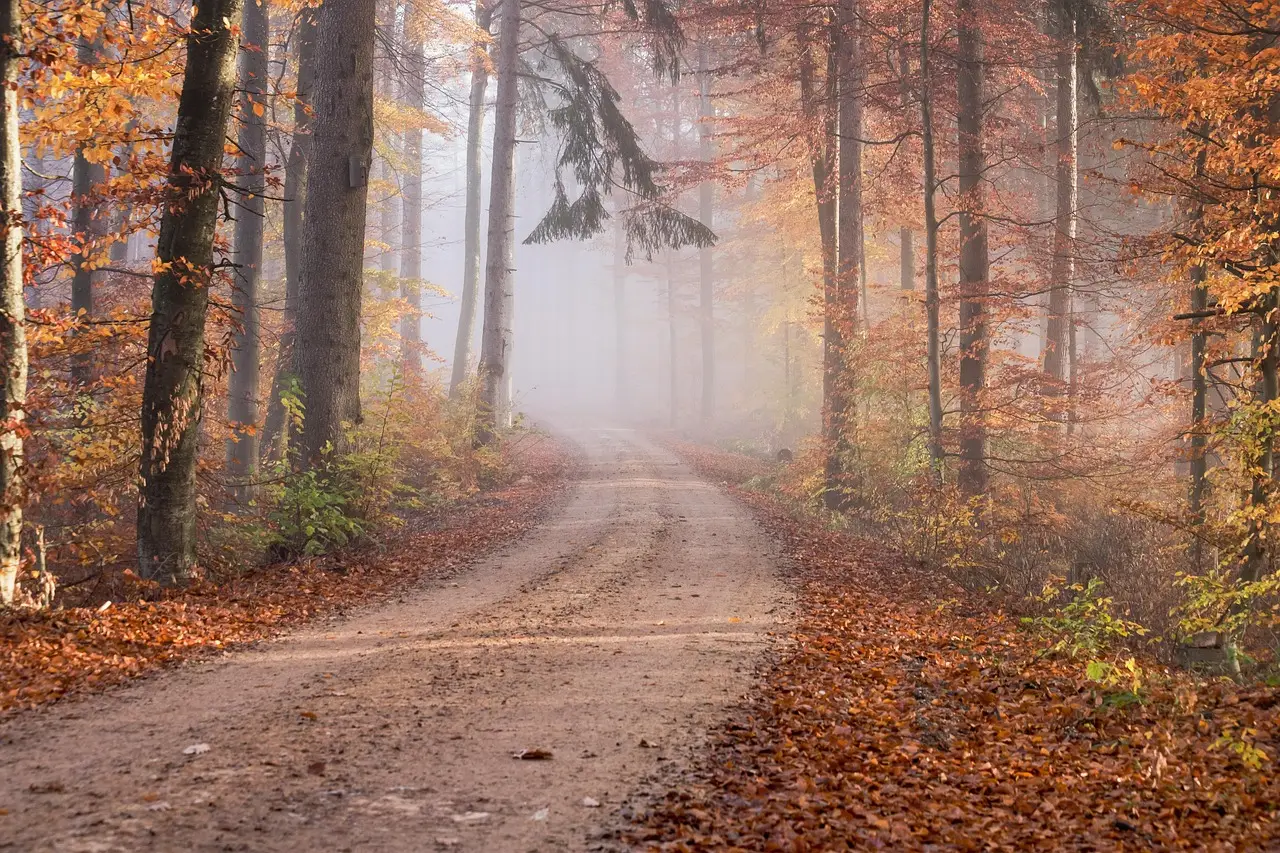
The core of the exhibition is a group of lustrous landscapes. Their skies are rendered in flat gold leaf that gleams, in the reviewer's phrase, "like a tarnished halo in an old altarpiece," while grass in verdigris (the green patina that forms on aged copper) pushes roughly off the canvas. The critic reads them as places where heaven meets earth and is transmuted — by the alchemy of the painter's touch — into quietly numinous works containing elements of both.
There's an irony, though, and the review doesn't let it slide. Kiefer's own studio is not a rustic hut but a vast warehouse complex on the outskirts of Paris. Set that aside and the paintings still present a very German vision of communion with nature.
Why does a forest painting carry this much weight?
The review connects the cabin to the most famous hut in modern philosophy: the Black Forest hideaway where Martin Heidegger developed his argument that "authentic" culture must be rooted in the native landscape. That idea's flipside — that nature isn't a scenic backdrop but a living participant in human history — had, as the critic puts it, consequences for German painting after 1945.
Which leaves Kiefer with the problem the reviewer identifies as his career-long challenge: how to paint the landscape as an unspoiled refuge from society when it is littered with mass graves.
The verdict, then, is split. The paintings seduce at vast scale, but the critic finds that even that power and size fall short of the gravity of the themes. For viewers heading to Bermondsey, the question worth carrying in is whether the gold-leafed skies earn their halo — or merely borrow one.
Source: theguardian.com
More from Grace Kim
Show full bio
Correspondent covering technology and product news in arts in the broadest sense at Arts & Voices.
1,804 articles