Anton Corbijn on Helen Mirren's Highsmith: 'She's a Great Jerk!'
Anton Corbijn praises Helen Mirren as Patricia Highsmith in "A Talent for Murder": "She's a great jerk! It's never too late to be a bitch." He also fears A.I.'s reach in cinema.
Programme
- Anton Corbijn directs "A Talent for Murder," starring Helen Mirren as Patricia Highsmith and Alden Ehrenreich as Edward.
- The film was previously titled "Switzerland" and is based on Joanna Murray-Smith's play.
- Corbijn says there is no A.I. in his film and warns that preferring comfort over substance "will be our downfall."
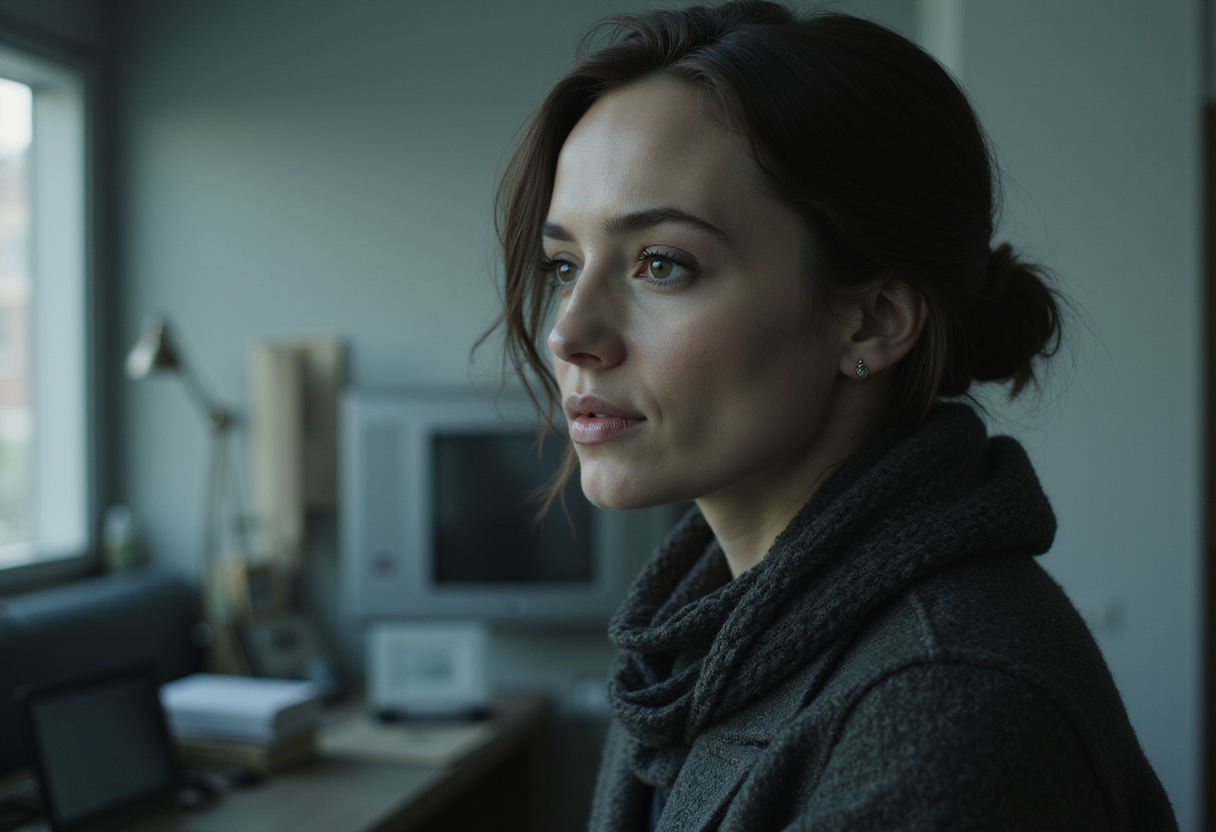
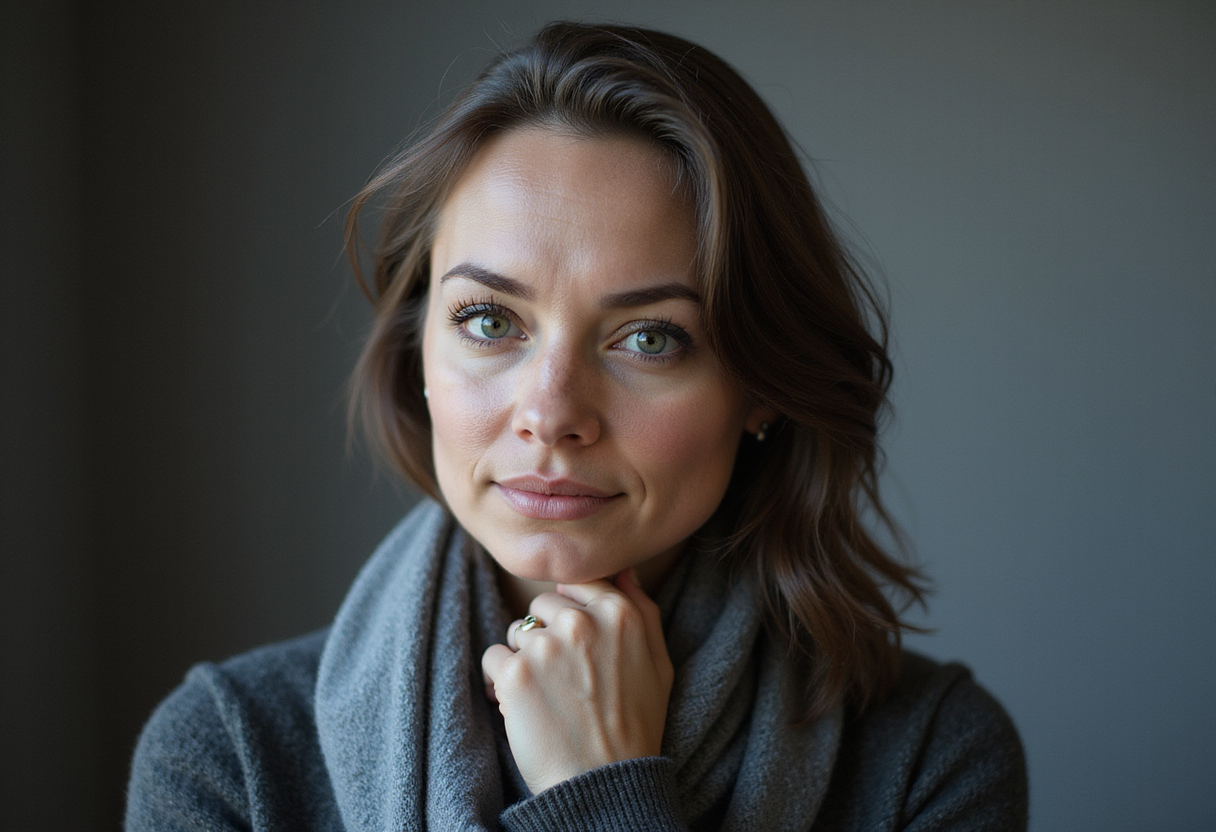
Anton Corbijn has praised Helen Mirren's performance as Patricia Highsmith in "A Talent for Murder" — a portrait of a writer he calls "a very difficult woman. Also to herself."
The film, previously titled "Switzerland" after Joanna Murray-Smith's play on which it is based, casts Mirren — now in her 80s — as the author who created Tom Ripley and became a controversial figure for her antisemitic and misanthropic statements.
"By all accounts, she was much worse than what we show in the film," Corbijn tells Variety. "You don't want her to be completely unlikable. It's difficult when you don't actually know the person and base everything on hearsay, but she was a very difficult woman. Also to herself."
The director enjoyed watching Mirren fully embrace the role. "She's a great jerk! I think it's healthy. It's never too late to be a bitch. I'm referring to our Highsmith, of course. Luckily, she only killed fictional characters."
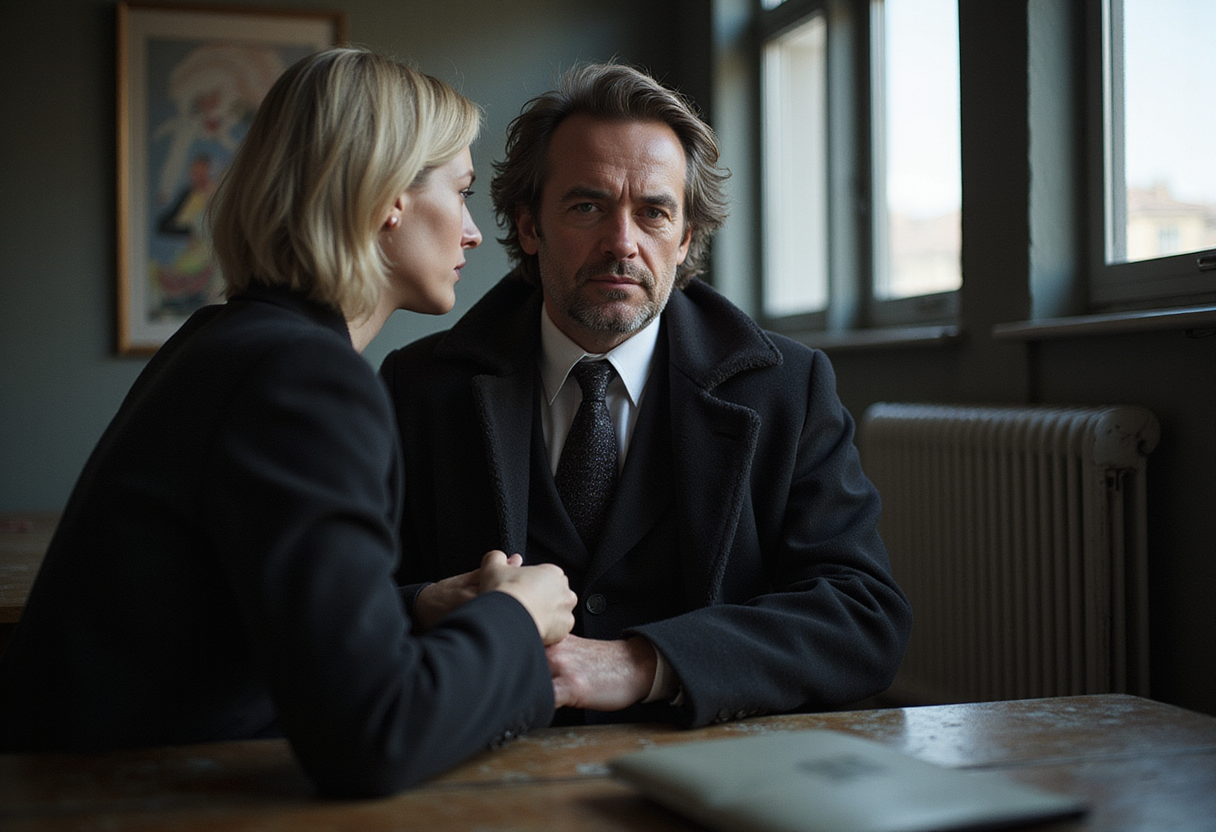
In the film, Highsmith lives in retreat in Switzerland when a young man, Edward (Alden Ehrenreich), arrives to persuade her to write another Ripley novel. The two do not bring out the best in each other. Corbijn sees their dynamic as a test of limits.
"They're testing how bad people can be and how far they can go. Unfortunately, it's always further than you'd like to think," he says. "Sometimes it has to do with generational trauma that manifests itself, or with human curiosity that leads to certain behaviors. I think it happens quite often: People get curious, and they go too far. That might be the case with Ripley, too."
Ripley, Corbijn notes, never looks the part. In "The American Friend," "The Talented Mr. Ripley" or Netflix's series "Ripley," he charms his victims — which the director identifies as his superpower and the film's strength.
"When evil is obvious, it's not interesting because you know it's coming," Corbijn says. "You don't know if you should like them or not."
He singles out his co-star's range. "I love how Alden can change in very minimal ways. He can be this nerdy guy, and then he can be a mean killer with cold eyes. We got really lucky with this cast."
The film stresses that its portrayal of Highsmith is "entirely fictional," but Corbijn is no stranger to real-life subjects. "Control," his film about Joy Division singer Ian Curtis, was his directorial breakthrough.
"I knew the guy, so I think it's a very truthful film," he says. "With 'Life,' I didn't know James Dean. He died the same year when I was born, so we never got to meet."
He laughs: "You just fill in the gaps. But even Helen said that there's something more mysterious about playing real-life characters than the ones you make up. It's more complex and more interesting."
Mirren has made a career of it, portraying Elizabeth II in "The Queen" and former Israeli Prime Minister Golda Meir in "Golda." Corbijn knows the power of such performances firsthand.
"Now, when I think of Ian, I think of Sam Riley in the film," he says. "I'm so much more familiar with him than with the real Ian Curtis!"
Corbijn first gained prominence as a photographer and music video director, working with Depeche Mode and U2. Looking at both industries today, he admits to deep unease.
"I get very depressed thinking about A.I. replacing so much in cinema, but it's the same with music," he says. "Take ABBA concerts with their 'avatars'. Is everything really replaceable? It's dangerous because we all prefer comfort over substance, and that will be our downfall. Needless to say, there's no A.I. in my film."
He adds: "I'm really worried about the immediate future because things are changing way too fast. I think we will respond badly to it. And too late."
Corbijn describes himself as "quite pessimistic about the world" — and he is not alone. That pessimism, he suggests, may be why Ripley keeps returning to screens.
"It's as if he returns when the world aligns with his thinking, which is terrible," he says. "Maybe people are more accepting of murder today?"
Whether audiences embrace Mirren's Highsmith with the same familiarity they now hold for Riley's Curtis may say a great deal about how fictional portraits reshape our memory of the real thing.
Source: Variety Film
More from Tom Whitfield
Show full bio
Market editor covering industry trends and analytics at Arts & Voices.
285 articles