Art Basel Paris Scatters Monumental Works Across Nine Heritage Sites
Art Basel Paris's fifth 'Hors les murs' program places works by Niki de Saint Phalle and Alicja Kwade across nine heritage sites, though several former venues are absent this year.
Programme
- The 'Hors les murs' public program runs October 21–25 across nine Paris sites.
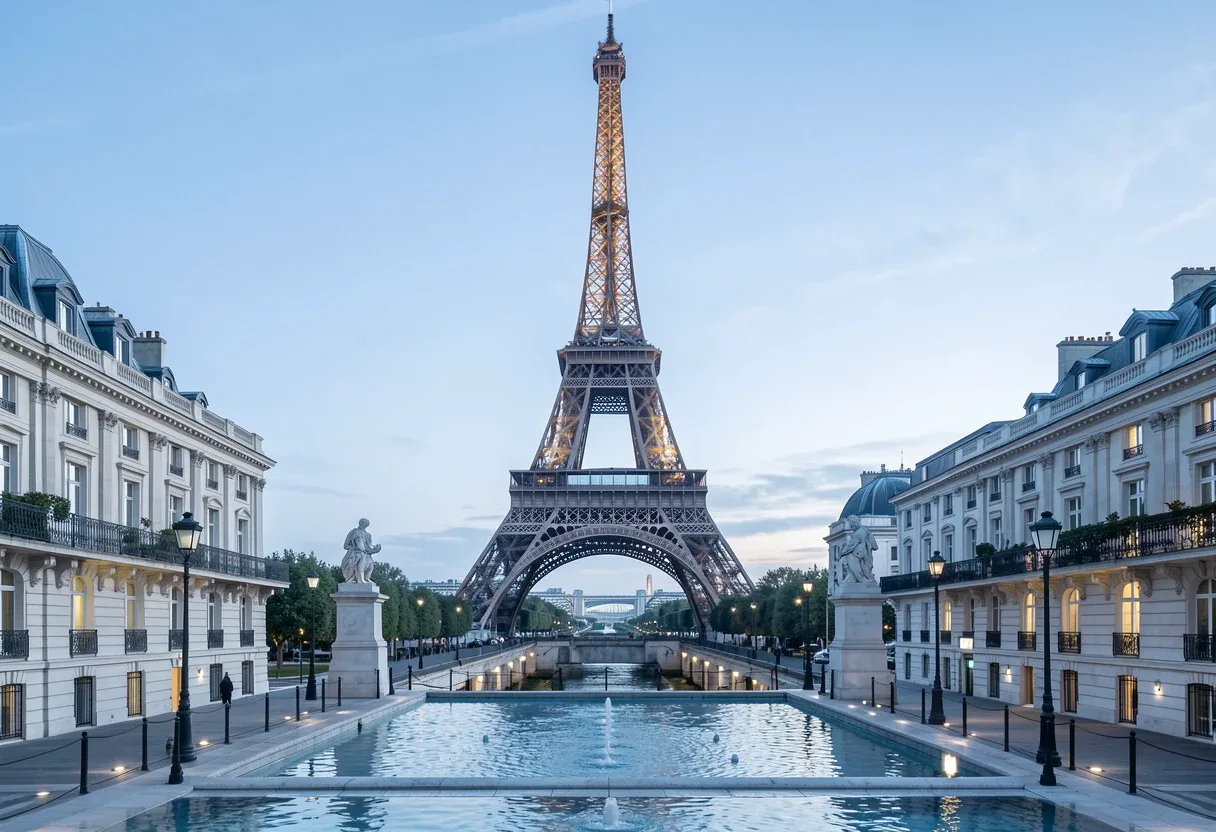
- Works by Niki de Saint Phalle and Alicja Kwade stand on Avenue Winston Churchill between the Grand Palais and Petit Palais.
- Place Vendôme, the Tuileries, the Institut de France, the Musée Eugène-Delacroix and the Hôtel de la Marine are absent from this year's itinerary.
- Jenny Holzer projects archive texts onto the Musée d'Orsay facade at night.
- École du Louvre students serve as volunteer docents at participating venues.
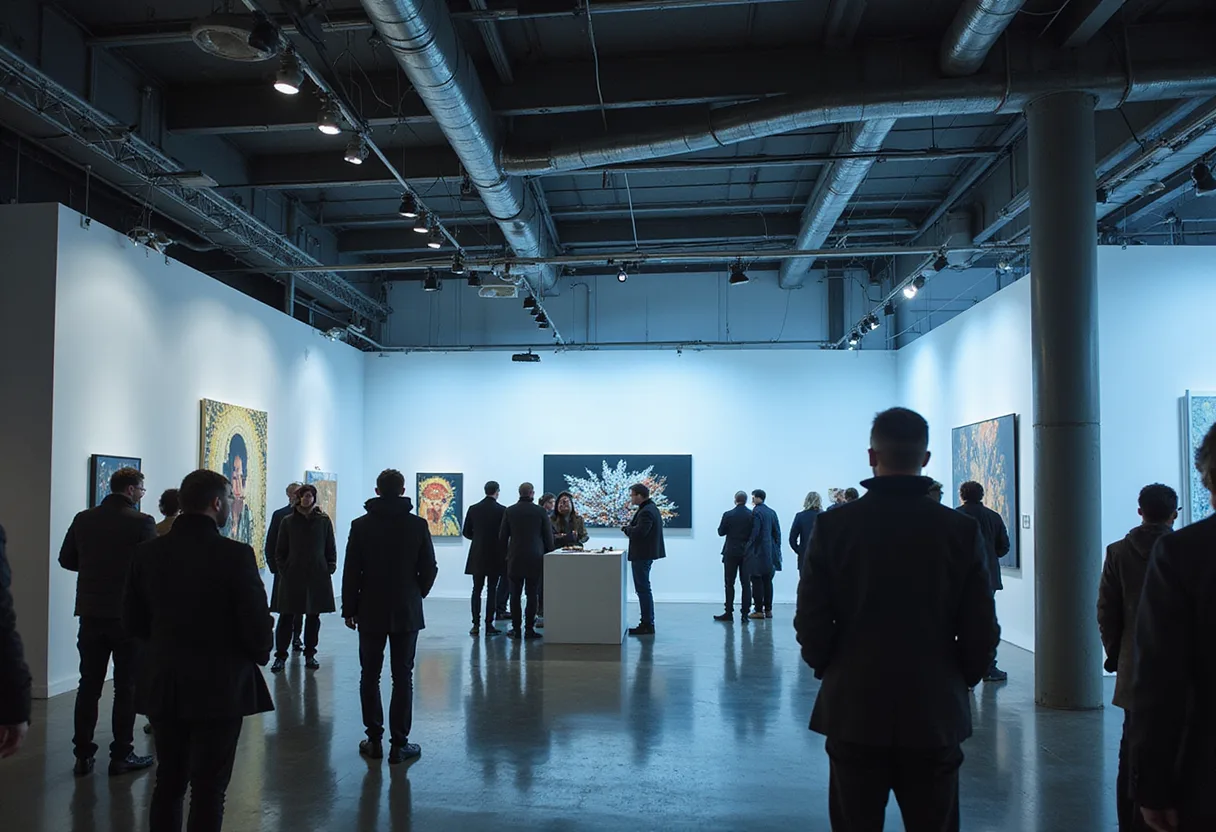
Art Basel Paris opened previews of its fifth edition yesterday, October 21, with a public program that spreads monumental artworks across nine cultural and heritage sites in the French capital. The "Hors les murs" program runs through October 25.
Works by Niki de Saint Phalle and Alicja Kwade stand along Avenue Winston Churchill, between the Grand Palais and the Petit Palais. They are the program's most visible anchors this year. They also mark what the program has lost.
Kwade previously showed on Place Vendôme. Saint Phalle previously occupied the Tuileries. Both venues are absent from this year's itinerary, along with the Institut de France, the Musée Eugène-Delacroix, and the courtyard of the Hôtel de la Marine.
What can visitors still see outside the fair?
Sizable fair-adjacent artworks remain in Paris without belonging officially to the program. At Saint-Eustache, Rémi Marcel, winner of the sixth Rubis Mécénat Prize, presents two half-columns. One is made of clay with wheat seeds that evoke growth and renewal. The other is plaster, suggesting the cycle of life.
At the Musée d'Orsay, Jenny Holzer's text projections illuminate the facade of the former railway station at night. The words come from the museum's own archives.
The concentration of works around the Grand Palais proved convenient given Wednesday's cloudy weather. Still, some visitors commented on the program's relatively subdued palette. Black, brown, and gray dominate, apart from vibrantly hued works by Yinka Shonibare and Keita Miyazaki.
Security concerns also circulated among the super-VIPs arriving at the Grand Palais for the invitation-only event held ahead of Thursday's 10 a.m. preview. The artworks stand against the backdrop of unrest that followed protests on October 17. None appear to have been damaged since going on view.
Who explains the works?
École du Louvre students are stationed at the participating venues and available to share insights into the works on view. Laure Saffroy-Lepesqueur, an instructor involved in the partnership between Art Basel and the École du Louvre, defended their relevance.
"The docents are not out-of-touch students, disconnected from contemporary art or today's social struggles," Saffroy-Lepesqueur said. "They volunteer their time to make artworks more accessible and understandable beyond the purely commercial framework of the art fair, striving to deepen our understanding of the artists' aesthetic, political, social, and poetic thinking."
Visitors can explore the program independently or seek out the docents through October 25. With fewer landmark venues than in past editions, the student-led conversations may matter more this year for anyone trying to read the works beyond the fair's commercial frame.
Source: ARTnews
More from Marcus Bennett
Show full bio
Staff writer covering people, launches and day-to-day practice in arts in the broadest sense at Arts & Voices.
678 articles