Art Taipei opens with 127 galleries and a crowd of politicians
Art Taipei opened with 127 galleries and a full podium of politicians: first-time buyers doubled to 20.8%, VIP collectors fell to 54.2%, and a Yu Cheng Yao painting sold for $90,000.
Programme
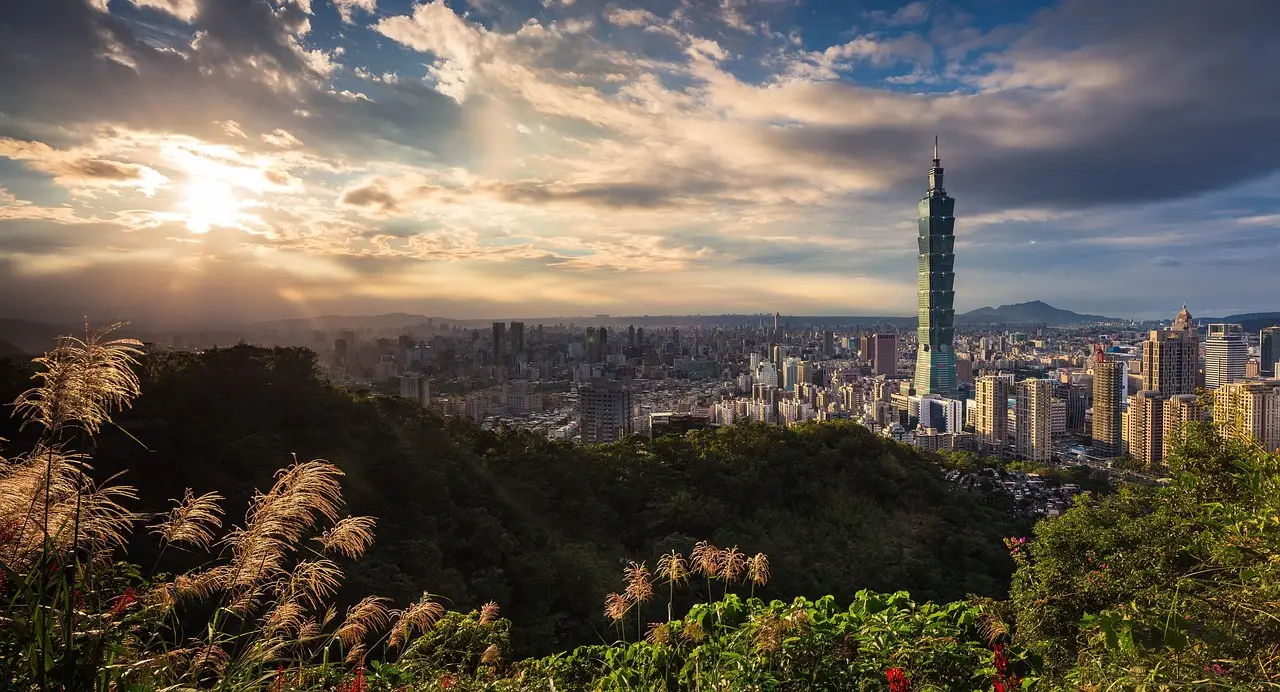
- Art Taipei ran 29 October to 2 November at the Taipei World Trade Center with 127 galleries.
- 20.8% of surveyed visitors were first- or second-time attendees, double the figure for 2023.
- The share of VIP collectors fell from 77.5% to 54.2%.
- Korean and Japanese galleries numbered 25 and 22 at the fair.
- A painting by Yu Cheng Yao sold for $90,000 at Yiyun Art's booth.
The 34-year-old Art Taipei opened on 29 October at the Taipei World Trade Center, where 127 galleries filled the halls and a delegation of politicians arrived for the ceremony. The third concurrent Taipei Art Week (TAW, the city's parallel run of exhibitions, parties and open studios) runs beside it until 2 November.
The timing spared the fair a nervous system. It landed just before the alleged spying scandal that grew around Jensen Huang, the naturalised American Nvidia mogul and Taiwan's celebrated native son, and with it the worldwide tech stock dive. Dealers had something else on their minds: the midterm elections of 28 November.
What do the politicians want from an art fair?
Chiang Wan-an, the incumbent Taipei mayor now in a close re-election race, attended days before facing protests at the Taipei Pride parade and festival. Those protests followed his police department's aggressive raid on the gay bar Commander D on 3 October. Taiwan's minister of culture Li Yuan used the opening to mark a September flare-up with mainland China, after the ministry won a pavilion at the Gwangju Biennale named for Taiwan rather than for the sponsoring institution. The minister also pronounced that "AI will not replace artists!"
Claudia Chen, director of Art Taipei, chair of its organiser the Taipei Art Gallery Association (Taga) and cofounder of Liang Gallery, calls political attendance routine. "The presence of political figures at art fairs is a familiar feature of Taiwan's cultural landscape," she says. The attention builds visibility and engagement for the cultural sector, she adds, and "We hope this attention can help deepen public understanding of the art market and highlight its close connections with cultural development, urban growth, and international exchange."
Then comes the harder question. "The question, she continues, is whether this engagement with political leaders can translate into consistent policy support, particularly in areas such as arts education, international promotion, and incentives for private collecting and cultural patronage."
Chen says Taiwan lags behind most East Asian governments in cultural investment. Her hope: "We hope cultural development can become an important public issue and receive sustained support across political parties, allowing Taiwan to gradually translate its economic strength into a deeper and more far-reaching cultural influence."
The money, she notes, already exists. Taiwan's technology sector and the private wealth it fuels "provide an important foundation for its art market. However, translating economic growth into greater activity in the art market takes time," she says, with innovation and outreach expected from galleries. Politicians, in other words, arrived at a market that was already there. The open item is the conversion of attention into policy.
Who actually bought?
Fair organisers reported a generational shift among buyers, with 20.8% of those surveyed attending for the first or second time, double the figure for 2023. The share of VIP collectors, the fair's top-tier buyers, declined from 77.5% to 54.2%, which organisers read as a sign that the public side of the art week is doing the outreach work.
That outreach took several forms:
- Five bus rounds of the fair
- Guided tours through participating venues
- Digital art screenings at Taipei Lumitree
- 30 public artworks displayed across the city
Alice Liang, assistant to the director of Tina Keng Gallery (TKG+), which returned with its TKG+ Projects arm after about five years away, explains the move: "In recent years, with Singapore, Seoul, Hong Kong, there is a lot happening, so we needed an opportunity to do a Taiwan show." With the sleeker international fair Taipei Dangdai suspended after 2025, Art Taipei has resumed its status as the main "hometown" option, she says.
A "museum-type" installation — works presented in a curated, gallery-like setting — by artists including Sanyu, Kuo Tzumin and Michael Lin went "pretty well," Liang says. "People were surprised and curious," she adds, drawing "positive feedback" from collectors who skewed young and came from Taiwan and abroad. The wider art week moved little on the sales floor, she says, "but we can feel the difference, with the events, parties and open studios."
Which galleries came, and from where?
Korean and Japanese galleries expanded their presence to 25 and 22 respectively, drawing on Taga's ongoing collaboration with those two countries' gallery associations. Galleries from Japan, Taiwan's former coloniser, "have maintained a longstanding presence in the Taiwanese market, with many having established strong collector networks and brand recognition over the years," Chen says. The Korean contingent, she adds, "demonstrates the Korean art industry's capacity to expand into international markets through collaboration."
Richard Koh Fine Art, based in Kuala Lumpur and Singapore, returned for the first time since the pandemic. Perrotin showed for a third consecutive year. Tokyo's Misako & Rosen was new. A forum for the trade included M+ Hong Kong curator Russell Storer and 2026 Venice Biennale Korea Pavilion curator Binna Choi.
Does the traditional market still pay?
Steven Chen (no relation), whose Taipei gallery Yiyun Art has attended seven of the past ten years, says traditional Asian paintings remain a major sector at Art Taipei, though reduced from previous years. His booth, a dramatic maze evoking a Chinese scholar's garden, drew steady crowds and sales, including a painting by Yu Cheng Yao for $90,000.
"With the young generation is coming more to the fair," Chen says, galleries need "a new language on ink art," the brush-and-ink painting tradition. "It is the same culture with a new expression."
Claudia Chen sees buyers changing shape rather than shrinking. Collectors keep "purchasing momentum," she says, but have grown more deliberate, needing time and established relationships with galleries. Younger buyers are "gradually entering the market, bringing more diverse perspectives shaped by their own lifestyles and aesthetic preferences."
Consider the fair less as a private viewing and more as an open house: more first-time visitors, fewer of the usual names. The test Chen set for the politicians is whether attention converts into budget lines after 28 November.
Source: theartnewspaper.com
More from Daniel Okafor
Show full bio
News editor covering companies, deals and strategy in arts in the broadest sense at Arts & Voices.
1,750 articles