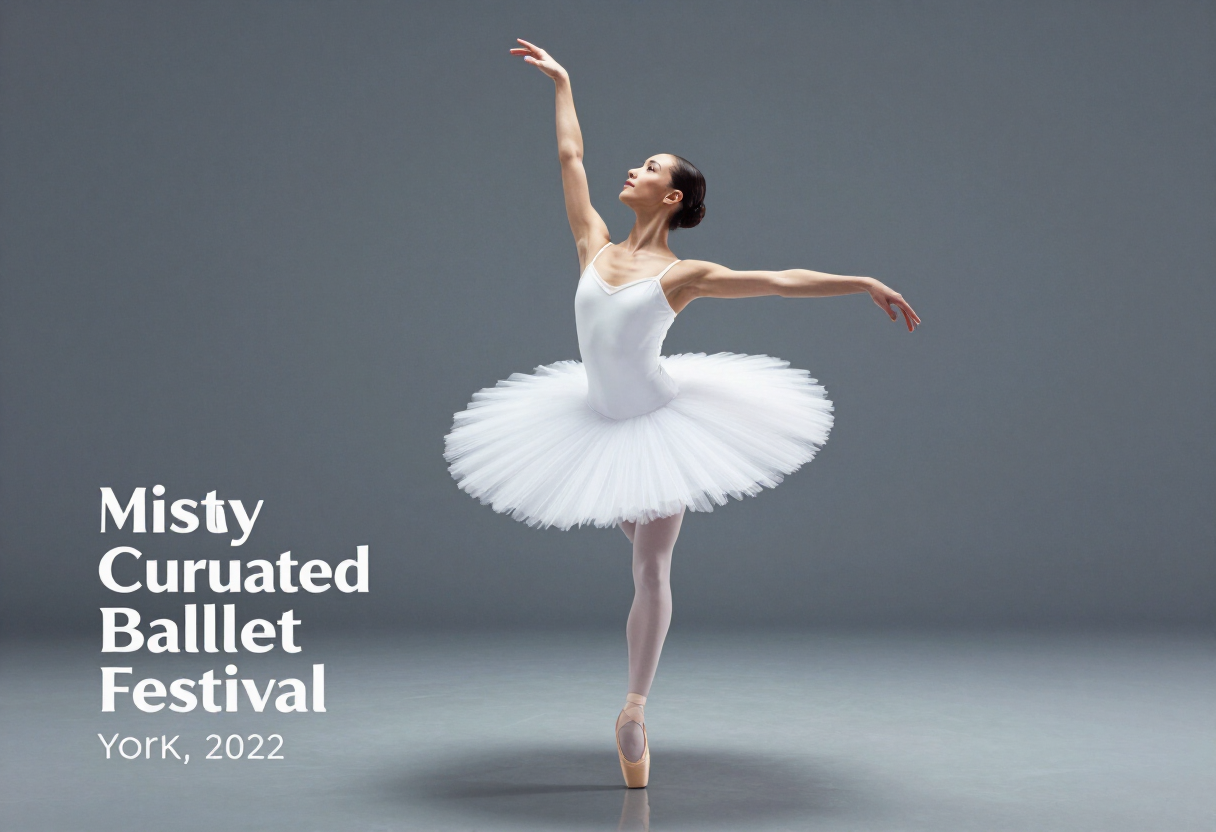
Ballet Salon Launches as Return Stage for Dancers Who Left the Profession
Ballet Salon, a new organization, launched to give dancers a path back to practice and performance. It targets trained ballet dancers and former students who left the stage but want to keep working at a high level.
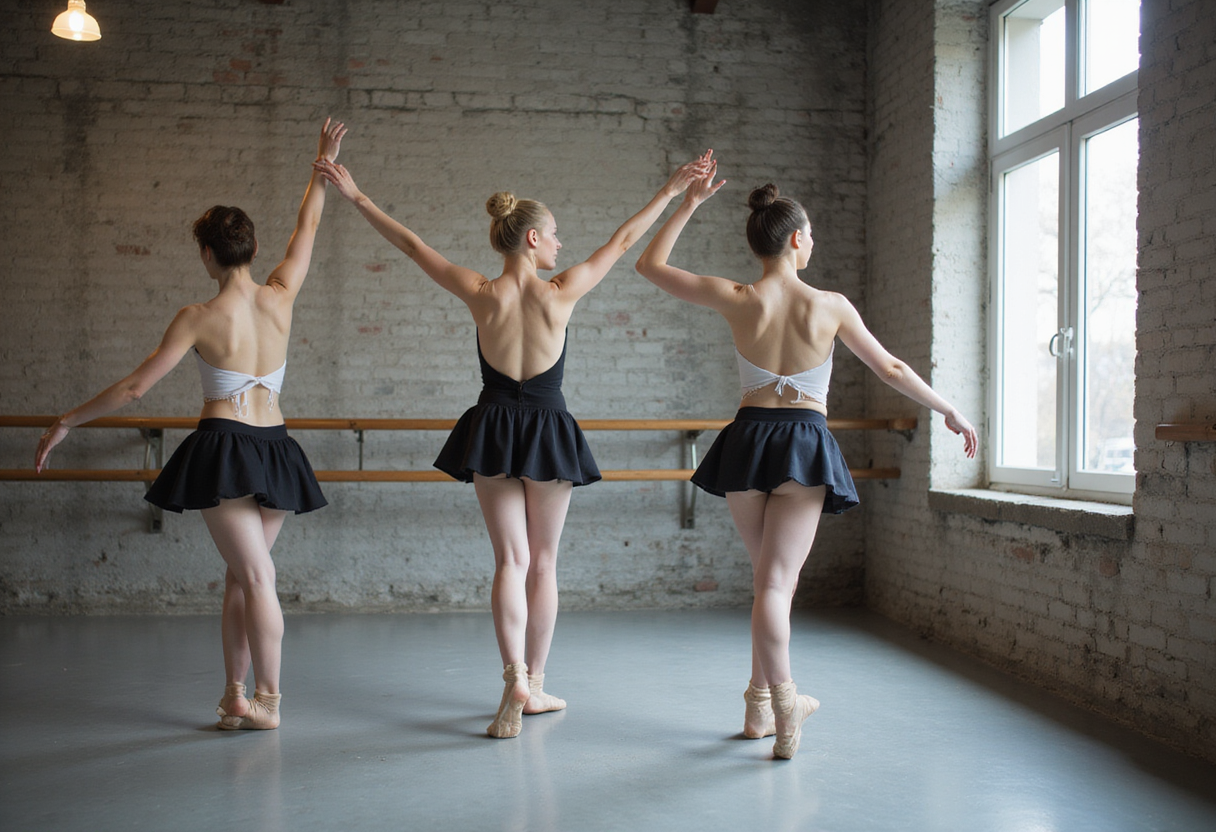
Programme
- Ballet Salon is a recently founded dance organization
- Target audience: ballet dancers and former students who have stopped performing
- Stated mission: a place to practice and perform at a high level
- Mission statement quote: 'For many ballet dancers and former students, love of the art form endures even after they stop dancing'
- Organization has not disclosed a launch date, venue, leadership, or pricing in its public materials
Ballet Salon, a new organization, launched to give dancers a path back to practice and performance. The group targets ballet dancers and former students who left the stage.
What is Ballet Salon?
Ballet Salon is a recently founded dance organization. It serves two named groups: ballet dancers and former students. The link between them is a continued commitment to ballet after active performance ends.
The organization has not disclosed a launch date, venue, leadership, or pricing. Its stated purpose is concrete: a place to practice and perform at a high level. That sentence is the organization's full public mission, and every operational detail of the program is built outward from it.
Who is the audience?
The target population is trained, not recreational. The mission statement identifies "ballet dancers and former students" as the core audience. Beginners are not named.
The mission statement reads: "For many ballet dancers and former students, love of the art form endures even after they stop dancing." That observation is the program's stated justification.
Ballet Salon sits between two existing categories. Recreational adult ballet serves fitness and social goals. Pre-professional training serves students pursuing company contracts. Ballet Salon targets a third group: trained dancers off a roster who still want high-level work.
What does the program offer?
The model has two functions. First, practice space for members maintaining technique. Second, performance opportunities for members who want an audience. Both rest on a single stated standard: high level.
The combination is unusual in the existing dance ecosystem. Ballet Salon pairs practice and performance under a single professional-caliber standard, an arrangement that defines the program and signals intent to returning dancers, trained adults, and program partners alike.
Why does the gap exist?
The mission identifies a structural problem. Dancers stop performing. After they stop, organized outlets narrow. Recreational classes remain widely available. Performance opportunities at a high level do not.
The premise is simple. Many dancers love ballet more than they love any specific job. Ballet Salon offers them a way to keep that love in motion, framed by the organization as a service to a defined community.
What comes next?
Ballet Salon's near-term task is operational. Schedules need publication. Performance dates need confirmation. A membership roster needs to grow.
The longer-term question is sustainability. The audience is specific and finite. The high-level standard limits how many dancers qualify. Whether the program can support itself at that standard is the open question.
Ballet Salon offers a focused answer to a recurring question in dance: what does a trained dancer do when the stage career ends, but the training does not?
Source: NYT Arts
More from Elena Vasquez
Show full bio
Senior reporter covering technology and product news in arts in the broadest sense at Arts & Voices.
512 articles