Baron Cohen Revives Ali G to Mock a World He Says Is Worse Now
Sacha Baron Cohen resurrects Ali G in 'Ali G: Who Iz I?' and writes in Time that the 'problematic' character was built to expose, not perpetuate, prejudice in a worse era.

Programme
- Ali G returns in 'Ali G: Who Iz I?' roughly 20 years after the character last screened, with Morgana Robinson as Julie.
- Production of the satirical film was kept under wraps until the premiere.
- Baron Cohen published the defense as a cover essay for Time magazine.
- At the premiere, Baron Cohen-in-character joked to Variety about the Paramount-Warner Bros. merger.
- Baron Cohen calls social media 'the greatest propaganda machine in history' in his Time essay.
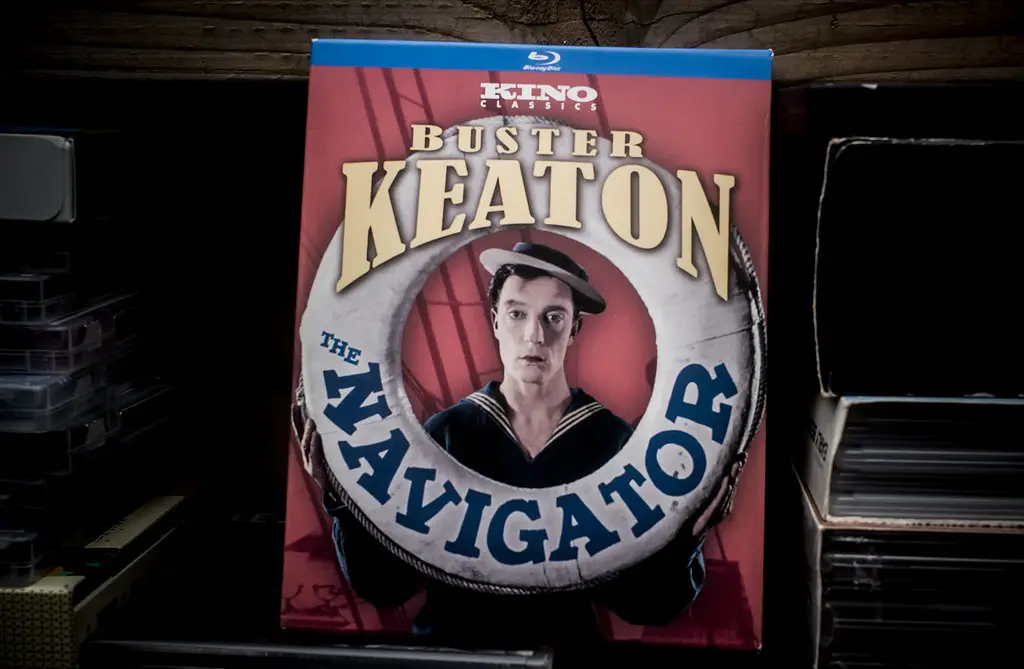
Sacha Baron Cohen has brought Alistair Graham — better known as Ali G — back to screens more than two decades after the character first aired. The vehicle is "Ali G: Who Iz I?", a satirical feature co-starring Morgana Robinson as Julie and kept under wraps until the premiere.
What does Baron Cohen say he is after?
In a cover essay for Time magazine, Baron Cohen frames the resurrection as deliberate provocation. "The fact that Ali G is outdated and problematic is the very reason I resurrected him," he writes.
The world Ali G re-enters, Baron Cohen argues, is rougher than the one he left. Prejudices he was built to mock have not just lingered — they have, in his words, "metastasized." Social media he labels "the greatest propaganda machine in history." Artificial intelligence, he writes, is "its monstrous child."
What is the satirical method?
Baron Cohen insists the joke targets the establishment, not the cultures Ali G borrows from. "Ali G is a white imbecile — a delusional cultural appropriator — who steals the fashion and lyrics from his favorite gangsta rap and dancehall idols, from Compton to Kingston," he writes.
The mechanism, in his telling, runs through the bouffon — an ancient satirical clown archetype traceable from classical farce to commedia dell'arte. The tracksuits, the malapropisms, the lifted slang: all of it ridicules the class that takes him seriously, not the cultures from which the costume was culled.
He adds: "Like a good bouffon, he undermines that establishment — not the culture he loves and borrows from."
Why is the controversy back?
Critics have long accused Ali G of sexism, cultural appropriation, and outright racism. The premiere converted the row into publicity.
Asked by Variety about the Paramount-Warner Bros. merger, an in-character Baron Cohen deadpanned: "The only merger that's happening tonight is me and Sydney Sweeney's babylons." The line lit up tabloids. The tabloid flare-up, by Baron Cohen's own logic, was the assignment.
He expands: "I've always designed my characters and comedy as vehicles to expose prejudice, bias, and stupidity, though I realize not everyone sees them that way." That caveat is doing real work.
How does this fit a longer lineage?
Baron Cohen traces the form from Ancient Greece through "Monty Python." The unifying method, in his reading, has not shifted: "make the audience laugh as hard and as much as possible, while holding up a mirror to reflect back things that aren't always comfortable to see or warn of trends we'd rather look away from."
Satire, on his account, is a saw, not a sermon.
What comes next?
A Time cover essay is, by itself, a publicity reel. Whether the film performs will test something sharper: whether audiences still parse Ali G as lampoon or file him as liability.
If box office and reviews split, expect the comic-revival playbook to widen. The renewed interest will matter less than the discomfort it sells, and comedians whose older work sat in cultural carbonite may soon find studios asking the same question Baron Cohen poses — has prejudice metastasized enough to need the old weapons again?
Original: time.com
More from Daniel Okafor
Show full bio
News editor covering companies, deals and strategy in arts in the broadest sense at Arts & Voices.
666 articles