MIT Faculty Bedazzle 500 Surveillance Cameras in Protest
Five tenured MIT professors are gluing googly eyes and rhinestones onto campus security cameras to protest a $3 million AI surveillance program.
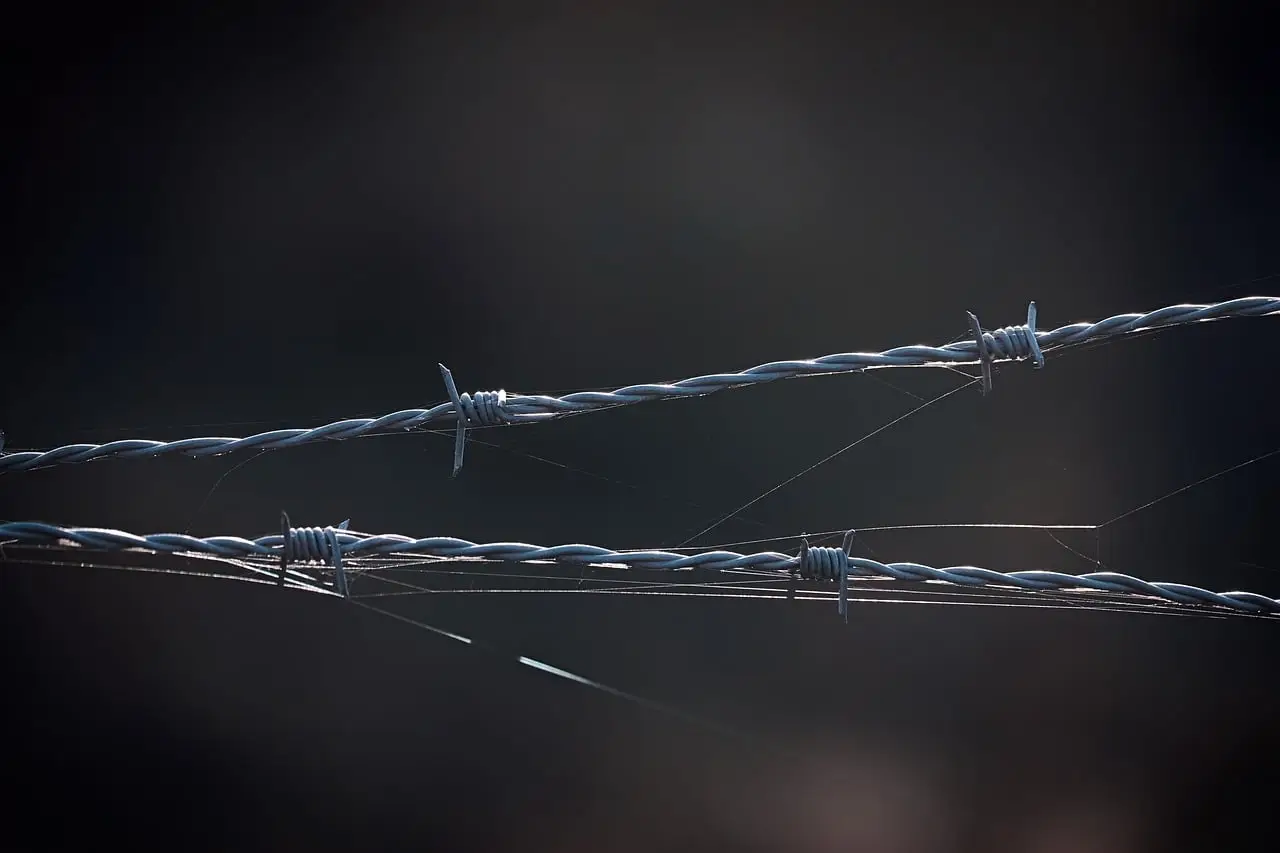
Programme
- MIT is spending over $3 million on more than 500 AI-capable surveillance cameras from 2025 to 2026.
- Five tenured professors began decorating the cameras in August 2026.
- The action draws on Jill Magid's 2002 rhinestoning of CCTV cameras at Amsterdam's police headquarters.
- Seven decoration sessions have taken place so far.
- MIT says the cameras close gaps in existing security coverage.
Five tenured MIT professors have been decorating the university's surveillance cameras with googly eyes, rhinestones and tinsel since August, in protest at a camera program costing more than $3 million. Catherine D'Ignazio, Marah Gubar, Tanalís Padilla, Dwai Banerjee and Karrie Karahalios began the campaign four months after the student newspaper, The Tech, reported in April that MIT would spend over $3 million on more than 500 surveillance cameras between 2025 and 2026 — roughly $6,000 per camera. According to the report, the cameras can be activated to identify faces and objects with AI and stand in exterior locations, academic facilities and other high-traffic areas across campus.
"We have these little buckets of gems and tinsel, and create these little Gumby-type creatures with googly eyes," D'Ignazio told Hyperallergic in a phone interview. None of the decorations interfere with the camera function. Their purpose, the faculty say, is to remind passersby that they are being watched.
What are the professors protesting?
In a faculty newsletter, the group announced the project under a deliberately unwieldy name: "The Initiative to Beautify the AI-capable Surveillance Benevolently Installed by our Administrator Overseers and the MIT Corporation In Collaboration with Big Brother Tech Companies." The professors wrote that campus has been transformed into an "AI-capable Panopticon."
"Many of us would not feel safer with cameras on all around us, especially not ones with AI," Gubar told Hyperallergic. MIT established a faculty advisory committee to determine whether the cameras should use AI technology, but many eligible members were barred from participating, as first reported by Cambridge Day. "They knew where we were coming from and what our viewpoint on the committee would be," D'Ignazio said. "Our viewpoint isn't just a matter of opinion. It's grounded in scholarly expertise."
An MIT spokesperson told Hyperallergic that the new cameras are "intended to close gaps in MIT's existing security camera coverage."
Where did the idea come from?
The faculty took inspiration from artist and MIT alumna Jill Magid, who rhinestoned CCTV cameras at Amsterdam's police headquarters in 2002. "I wanted to question the visible and invisible parts of surveillance," Magid told Hyperallergic. After Amsterdam police rejected her initial request, Magid founded a fictitious company, System Azure Security Ornamentation, and secured a paid job decorating the cameras — advertising on posters reading "Big Brother in Drag." When police shut the enterprise down, she distributed flyers urging, "Bring Back the Glam."
The MIT professors have printed several of Magid's posters and distributed them to students, faculty and staff, many of whom have joined seven decoration sessions so far. MIT Police generally respond by removing the decorations after each session. On one occasion, Gubar said, she had to give her name to a suspicious officer. "I wasn't going to let a student or staff member give their name," said Gubar, noting that her tenure protects her from severe administrative pushback.
Why does tenure matter here?
Most participants, especially students, hesitate to speak out or disclose their names for fear of retaliation — an anxiety grounded in recent precedent. During the 2023-24 academic year, Columbia University's surveillance cameras helped administrators identify and punish pro-Palestine student protesters. In May 2026, a pro-Palestine student filed a federal lawsuit against the University of Michigan for surveilling and harassing him over his advocacy.
"The goal should be for all of us to be able to protest against surveillance, whether that be students or staff," Gubar said. "It shouldn't just be a privilege for tenured faculty."
The bedazzled cameras remain in place until police remove each round of decorations — and the professors show no sign of stopping.
Original: thetech.com
More from Elena Vasquez
Show full bio
Senior reporter covering technology and product news in arts in the broadest sense at Arts & Voices.
693 articles