Beaver supermoon lights skies from Bitola to Karachi
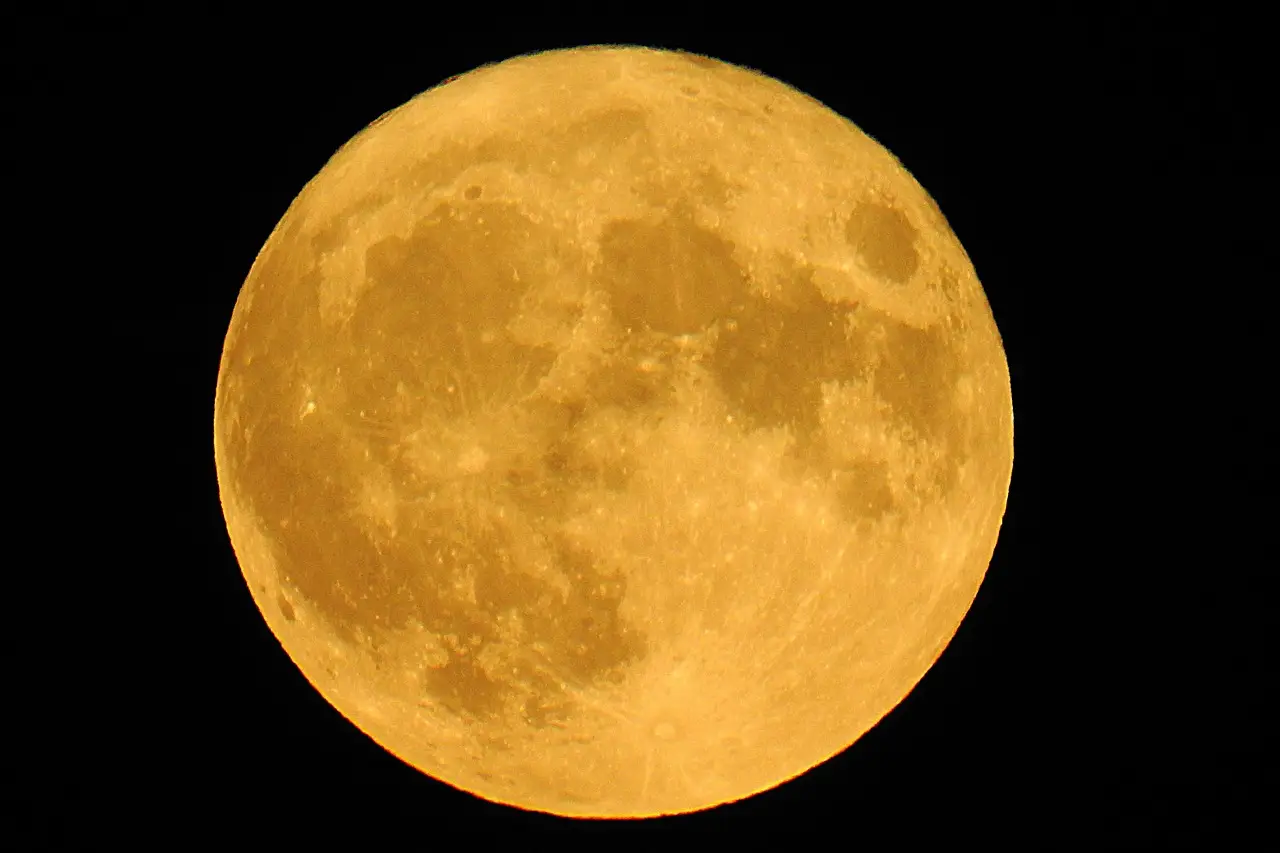
The year's largest supermoon, the beaver moon, peaked at 7.53pm on 24 November. Photographers from Bitola to Karachi captured it — the first of four supermoons through February 2027.
Programme
- The beaver supermoon, the largest of the year, peaked at 7.53pm local time on 24 November 2026.
- The name 'beaver moon' comes from Algonquin Native American traditions.
- It is the first of four consecutive supermoons between November 2026 and February 2027.
- Nasa says binoculars or a telescope reveal the moon's craters and lunar seas formed by ancient lava flows.
The year's largest supermoon — the beaver moon — peaked at 7.53pm local time on 24 November, and photographers from North Macedonia to Pakistan were ready. The Guardian's picture desk has published a selection of the best frames from the night sky's biggest show of 2026.
The supermoon appeared over the St Nedela Orthodox church in Bitola, North Macedonia, in a photograph by Georgi Licovski for EPA. In Karachi, Shahzaib Akber caught the moon above a horse-drawn carriage. That juxtaposition — lunar maximum over nineteenth-century transport — is the kind of image the beaver moon reliably delivers.
Where were the standout pictures taken?
Matías Basualdo's shot for ZUMA Press Wire via Shutterstock documented the full moon from South America, and Soumyabrata Roy's NurPhoto frame caught the moon over vegetation and construction, with black clouds passing across its face. Franz Wolfgang Rainer's image for APA-Images via Shutterstock came from Austria.
The most composed picture may be Robert Nemeti's, for Anadolu via Getty Images: a Hungarian flag waving in the wind as the moon rose above Boldogkő Castle, appearing spectacularly big at the horizon as it reached the end of its lunar cycle. A castle, a flag, a supermoon. Hungary rarely overpromises; this time it didn't.
Florion Goga's Reuters photograph rounded out the selection. The Guardian captioned the set as spanning the globe "from Salzburg to Srinagar."
Why is it called the beaver moon?
The name comes from Algonquin Native American traditions. Beavers are most active at this time of year, preparing their lodges and dams for the cold months ahead. The lunar nickname, in other words, is practical — a seasonal work reminder dressed up as a moon.
What exactly was a 'supermoon'?
A supermoon (a full moon occurring near the moon's closest point to Earth in its orbit, making it appear larger and brighter than usual) reaches its peak illumination at a specific moment. This one peaked at 7.53pm Pakistan time on 24 November, according to the Guardian's caption for Akber's Karachi photograph. Skywatchers around the world, the paper reported, were delighted.
How could viewers see it?
No special equipment is needed to appreciate the supermoon, according to Nasa — but binoculars or a telescope can offer a detailed look at its craters and lunar seas, dark plains formed by ancient lava flows. The space agency's advice amounts to: look up, or look up harder.
When does the next one arrive?
Soon. The beaver moon is the first of four consecutive supermoons between November 2026 and February 2027, which means the moon will keep staging encores roughly monthly through winter — three more chances for photographers, and three more chances for the rest of us to finally buy that telescope.
Source: theguardian.com
More from Daniel Okafor
Show full bio
News editor covering companies, deals and strategy in arts in the broadest sense at Arts & Voices.
1,710 articles