Beaver Supermoon Rises Over Rio's Rocinha in a 60-Second Window
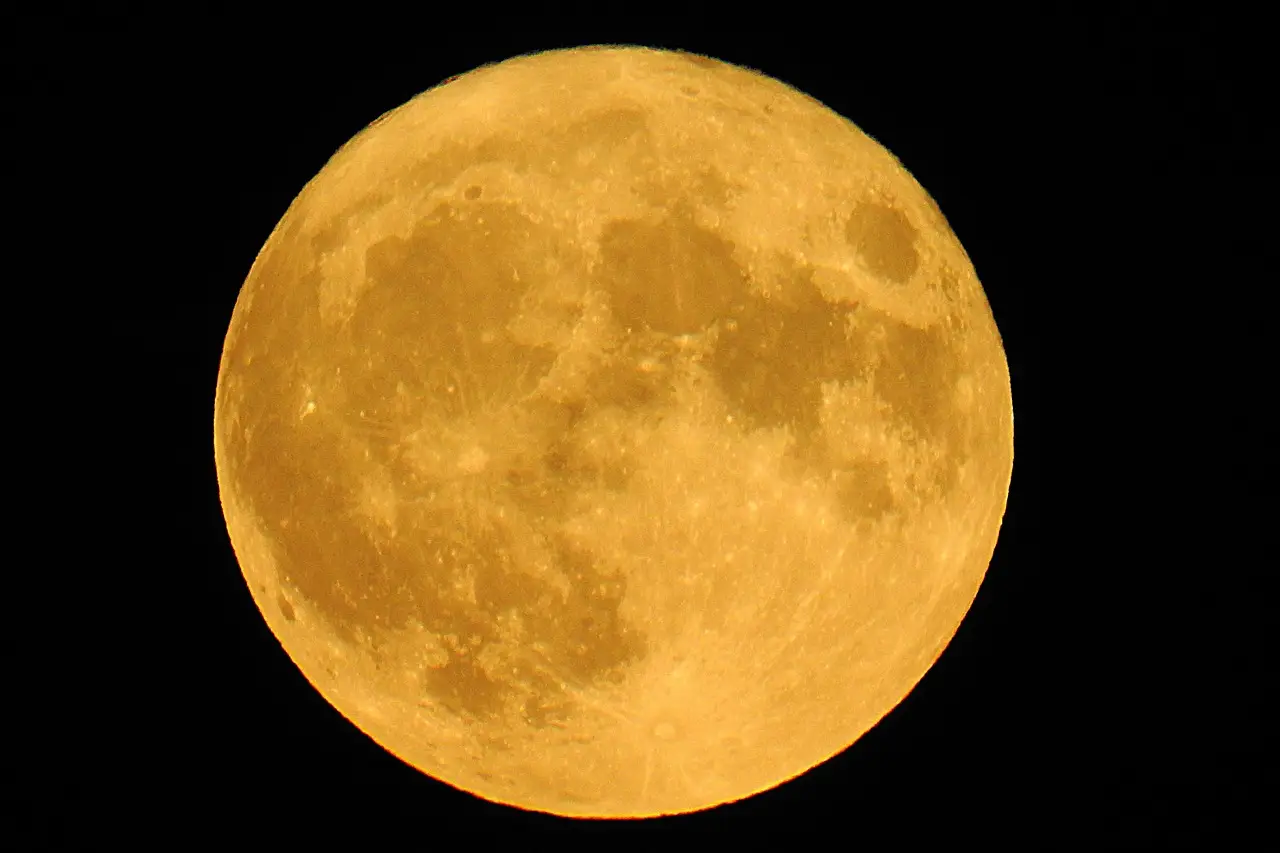
Photographer Bruno Boni captured the Beaver Supermoon rising behind Rocinha in Rio's South Zone on September 24, using a drone from São Conrado to beat storm clouds during a window under one minute.

Programme
- Bruno Boni captured the Beaver Supermoon behind Rocinha, Rio de Janeiro, on Tuesday, September 24, at about 7:10 p.m.
- A drone flown from São Conrado was needed because storm clouds blocked ground-level shots; the cloud gap lasted less than a minute.
- The moon was 360,700 km from Earth, versus the 384,400 km average, and can appear 7% larger and 11% brighter than a normal full moon.
- It was the first supermoon recorded since January.
- Inmet kept an orange storm warning for Rio on Wednesday, September 25, with rain of 30-60 mm/hour and winds up to 100 km/h.
Photographer Bruno Boni captured the Beaver Supermoon emerging behind the Rocinha community in Rio de Janeiro's South Zone on Tuesday night, September 24, at roughly 7:10 p.m. A drone, operated from São Conrado, made the shot possible. The image is the first supermoon recorded since January.
The break in the clouds lasted less than a minute. Unfavorable weather had blocked any capture from the ground, so Boni followed a suggestion from photographer Humberto Badini and used the remote equipment to find the angle he needed. The result includes both a photograph and a video of the moonrise.
What made this moon a supermoon?
The phenomenon, known as the Beaver Moon, occurs when the full phase coincides with perigee — the point in the orbit where the satellite is closest to the Earth. At the moment of the capture, the moon sat 360,700 kilometers from Earth, closer than the average distance of 384,400 kilometers. According to data on the phenomenon, the satellite can appear 7 percent larger and 11 percent brighter than in ordinary full moons.
The picture places natural and human elements in a single frame. Boni said the image represents "the union between the natural and the human in the same frame." That framing gives Rocinha, Brazil's largest favela, a visual weight equal to the celestial event behind it.
Will there be more chances to see it?
Not soon. The photographer said the weather forecast does not favor new observations in the coming days. The National Institute of Meteorology (Inmet) kept an orange storm warning in place for Rio on Wednesday, the 25th. The forecast calls for rainfall of 30 to 60 millimeters per hour and winds of up to 100 km/h, with new alerts for intense rain on Thursday.
What does this change for the work itself? A drone shot, a one-minute gap in the clouds and a tip from a fellow photographer turned a stormy night into the year's first recorded supermoon image over Rio — and set a technical benchmark for lunar photography under adverse conditions.
Source: brasilemfolhas.com
More from Marcus Bennett
Show full bio
Staff writer covering people, launches and day-to-day practice in arts in the broadest sense at Arts & Voices.
1,757 articles