Berghain Hosted a 4,000-Year-Old Digital Temple, Chanted in Dead Language
Ala Roushan and Charles Stankievech rebuilt a 4,000-year-old Mithraic temple in 4K video inside Halle am Berghain, with AI voices chanting a speculative Proto-Indo-Iranian no human has ever heard.
Programme
- The installation ran at Halle am Berghain in Berlin from 2 to 18 October, presented by House and the Autotelic Foundation.
- The centrepiece was an eight-minute 4K video panning through a 3D-scanned, 4,000-year-old Mithraic cave temple.
- Monolithic speakers chanted in AI-generated speculative Proto-Indo-Iranian, a language with no surviving written texts.
- One AI chanter was trained on the voice of Roushan's own mother, the artist said.
- The work was first made for an exhibition in Lausanne in 2025 and expanded for Berghain's space.
A 4,000-year-old Mithraic cave temple, rendered in 4K video, filled the former power station behind Berlin's Berghain nightclub this autumn. Ala Roushan and Charles Stankievech's installation A Shroud of Woven Solar Threads ran at Halle am Berghain from 2 to 18 October, presented by the Berlin initiative House and co-presented by the Autotelic Foundation.
House, directed by Juliet Kothe, co-curated the exhibition with Nadim Samman, who directs the Autotelic Foundation. The foundation had previously shown a whimsical take on AI art in Venice, one of the standout digital presentations at the most recent Biennale.
What did visitors actually see and hear?
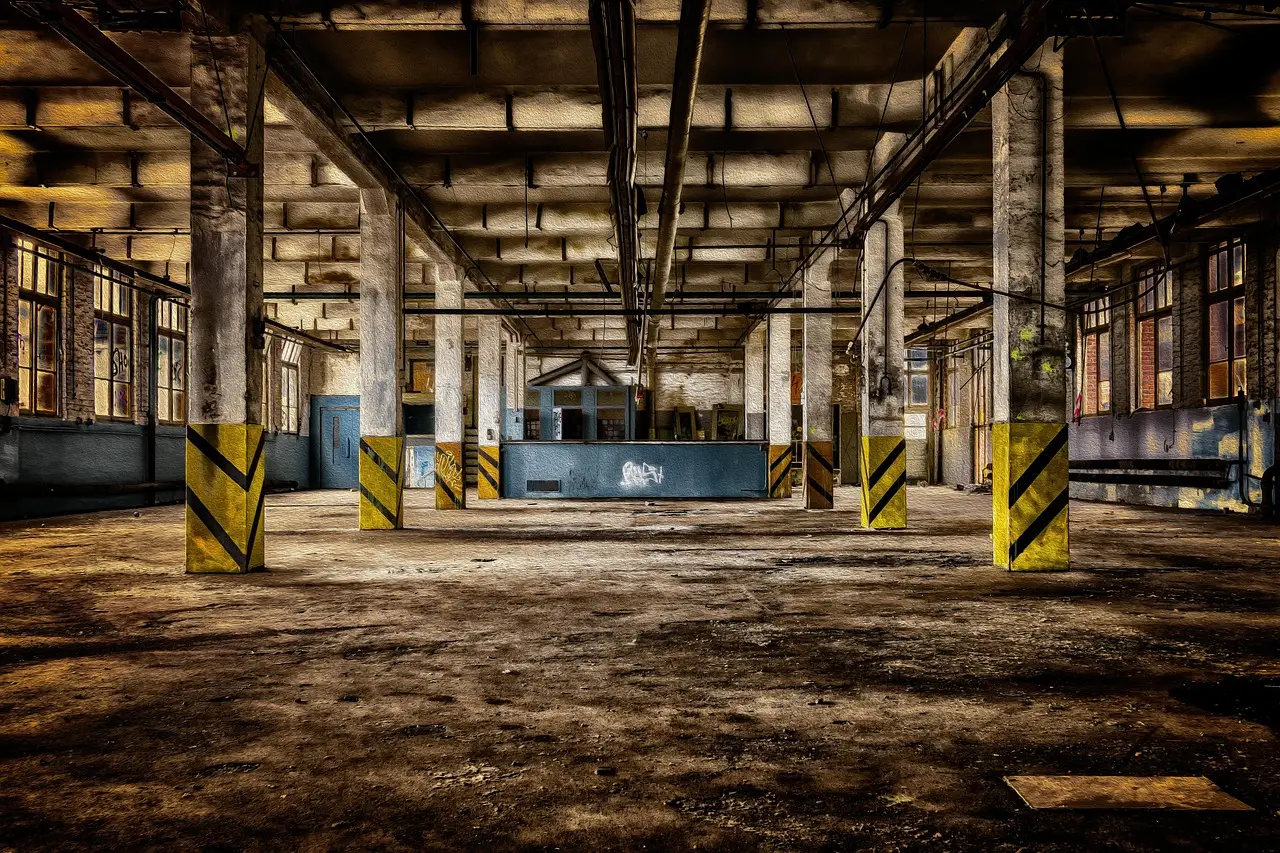
The centrepiece was an eight-minute looping video installation that slowly panned through a digitally reconstructed Mithraic cave temple, built from 3D scans of the ancient site. Roushan and Stankievech first made the work for an exhibition in Lausanne in 2025, then expanded it to exploit the Halle am Berghain's cavernous dimensions. The hall, a gargantuan former power station, struck at least one visitor as reminiscent of Tolkien's Khazad-dûm.
Visitors stood at the centre of the installation, encircled by human-height black monolithic speakers. Each speaker carried a different voice, all chanting in an AI-generated, speculative Proto-Indo-Iranian (PII). PII is the reconstructed ancestor of the Indo-Aryan and Iranian language families, including Sanskrit and Avestan. No historic documents or written texts in PII survive, and no Mithraic chants from that period are documented. The chant opened with the word "Mithra," naming the ancient solar deity.
One voice had a personal origin. Roushan said one of the AI chanters was trained on her own mother's voice.
To build the sonic component, the artists worked with Miguel Andrés-Toledo, a University of Toronto professor specialising in Zoroastrian languages and literature. Together they used comparative linguistics to reconstruct plausible linguistic forms, and AI brought the speculative language to life. Since no recordings of PII exist, the AI contribution was hard to refute as anything other than vital.
How did the artists frame it?
Roushan, who is Iranian, and Stankievech, who is Canadian, blended archaeology, artificial intelligence, acoustics, chemistry and sculpture into a multi-sensory experience. Objects scattered through the space included replicas of Bronze Age bells and reliefs of ritual and religious significance. Burning incense filled the hall. Near the ceiling, graffiti of the Eye of Horus predating the exhibition compounded the accumulation of ritualistic symbols in the building.
Samman placed the work in a contemporary frame. "We are all subject to digital change in society, economy, politics," he said. "These changes are massive, they are abrupt and they are intense. Making sense of it needs to come from below. Artists offer important ways to understand what this change means. Without artists, we are just stuck with the narratives and the images supplied by the companies that make the technology. Digital change impacts culture, and artists can help us understand what that impact actually feels like, and how we can think it through."
Why a nightclub?
The venue was no accident. Roushan and Stankievech's opening weekend coincided with a public dance event several metres and a few layers of concrete away. The artists drew a line between ancient solar worship and contemporary rituals of illuminated hand-held screens and collective abandon on dance floors. There is an inherent futility in worshipping an ancient sun god for wish-fulfillment, yet ritual production and devotion have persisted for millennia.
The exhibition's archaeological, speculative approach to technology offered a counterpoint to much digital art of recent memory. In a busy year for AI-generated artistic presentations, the romantic gesture of using AI to travel back several thousand years, staged within a Brutalist power-station-cum-nightclub, brought together many disparate threads — and stood among the year's highlights.
Ala Roushan and Charles Stankievech: A Shroud of Woven Solar Threads, 2-18 October, organised by the Autotelic Foundation and House, Halle am Berghain, Berlin.
Source: theartnewspaper.com
More from Elena Vasquez
Show full bio
Senior reporter covering technology and product news in arts in the broadest sense at Arts & Voices.
1,743 articles