Programme
- Bernheim performed all six songs in Berlioz’s roughly 30-minute “Les Nuits d’été” at a sold-out Carnegie Hall.
- The cycle first appeared in 1841, and Berlioz orchestrated it in 1856 from six poems by Théophile Gautier.
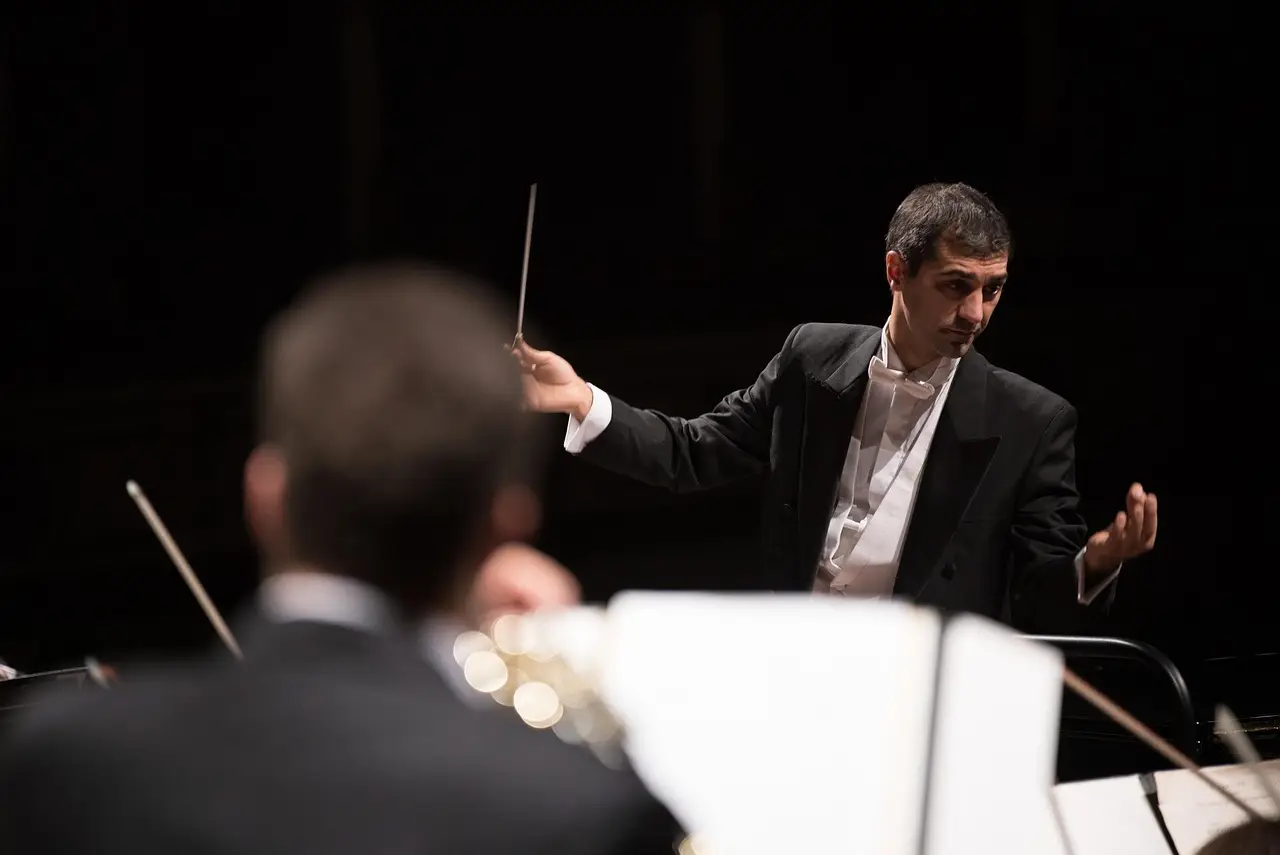
- Louis Langrée conducted the Orchestra of St Luke’s, beginning with the overture from “Les francs-juges.”
- Bernheim’s encore was “Pourquoi me réveiller” from Massenet’s “Werther.”
- A Deutsche Grammophon recording of “Werther,” with Bernheim in the title role, was due that month, but the review gives no exact release date.
Benjamin Bernheim sang all six songs of Hector Berlioz’s “Les Nuits d’été” with the Orchestra of St Luke’s at a sold-out Carnegie Hall, according to Tom Whitfield’s review. Louis Langrée conducted.
The roughly 30-minute cycle first appeared in 1841. Berlioz gave it what Whitfield calls a masterful orchestration in 1856 and set six poems by his friend, poet and dramatist Théophile Gautier to music written for either a tenor or mezzo-soprano. Langrée opened confidently with the early overture from Berlioz’s never-produced opera “Les francs-juges” before Bernheim joined the orchestra.
Why Whitfield stakes his case on Berlioz
Whitfield says he has been a committed Berliozian since his earliest days. He credits the composer’s innovative, experimental and powerful music, which he hears as distinct from mainstream 19th-century music. He also traces Berlioz’s ambition to Beethoven’s “Symphony No. 9,” describing Beethoven’s work as a revolution in music and art. Whitfield presents Berlioz as a defining Romantic figure.
That ambition starts, in Whitfield’s account, with the groundbreaking “Symphonie fantastique.” He praises its tonal imagery and dramatic storytelling, then follows Berlioz into forms that resist tidy labels.
“La Damnation de Faust,” called a “légende dramatique,” and “Roméo et Juliette,” called a “symphonie dramatique,” become hybrids of symphony, opera and occasional narrative acting. Whitfield credits their soundscapes with matching their Romantic narratives. Each major work, he argues, creates its own world rather than following Classical-era numbering.
Whitfield also draws on Jacques Barzun’s two-volume biography, “Berlioz and the Romantic Century,” and David Cairns’s more recent two-volume biography. He calls Cairns’s work wonderful and uses both books to describe an artist who struggled with critics and rigid musical institutions while embodying Romantic passion, yearnings, losses and defeats.
He links Berlioz’s obsessions to Shakespeare and an idealized, consuming form of love. The biographies’ late reunion with childhood love Estelle Fornier supplies the romantic story Whitfield treats as the period’s perfect narrative. Fornier reminds the aged composer that she is now an old woman; the reminder does not end his attachment.
Whitfield balances the thrilling “Requiem” and massive “Te Deum” with the gentler, ever-changing beauty he finds elsewhere, including “Les Nuits d’été.” The six poems range across loss, passion and desire, and can summon summer heat on a cold autumn night.
What the performance demonstrated
Whitfield calls the Carnegie Hall performance perfect, but his support rests on specific musical choices rather than a comparative analysis. Langrée, whom he identifies as director of the Théâtre National de l’Opéra Comique, matched the orchestra’s tone to the changing shape of each song.
His central evidence is Bernheim’s range. Whitfield says the singer made the cycle’s hints, reminders and foreshadowing of Berlioz’s other masterpieces audible, including the Aeneas of “Les Troyens.” He hears the sequence move from the gentle “Villanelle” to the poignant “Le spectre de la Rose,” which contains hints of “Roméo & Juliette.”
Bernheim’s sudden changes from gentleness to vocal power and passion impressed Whitfield. He said the singer made the performance an exercise in mastery, adding the clipped verdict that “a masterclass was in session.” The tenor moved from solemn reflection on deceased love to ferocity in “Sur les lagunes,” where Whitfield heard rage against bitter fate.
He describes the orchestra as a constant interlocutor, providing emotional echoes and near-commentary. Langrée combined passion with control and sharpened the music’s raw power. Whitfield says he had heard the orchestra before, but the all-Berlioz program revealed its elegance, precision and responsiveness.
His closing verdict calls the Orchestra of St Luke’s “a treasure of New York.” That is praise, but it remains a personal assessment: the review gives no concert date, ticket price, rehearsal account or comparison with other performances.
The sold-out audience called Bernheim back after the cycle. He sang “Pourquoi me réveiller” from Jules Massenet’s “Werther,” which Whitfield calls a showstopper and further evidence of the tenor’s power and tonal beauty. The audience stood and again resisted the end of the evening.
Whitfield points to a new Deutsche Grammophon recording of “Werther,” with Bernheim in the title role, due that month. He expects many Carnegie Hall listeners to buy it on release, but the review gives no calendar date and does not make that deadline usable without the original publication information.
Bernheim’s schedule includes Cavaradossi in Puccini’s “Tosca” and the doomed Don José in Bizet’s “Carmen.” Whitfield expects both engagements to justify the effort, but the review provides no rehearsal evidence or comparative account of either performance.
What does this change for concertgoers?
The review offers a specific proposition: a compact six-song cycle can provide a full dramatic arc through close coordination between soloist, conductor and orchestra. Bernheim’s range, Langrée’s responsiveness and the sold-out response offer three reasons to seek his future engagements. Whitfield also wants more Carnegie Hall programming led by conductors of this caliber.
It does not document a broader change in the venue’s repertoire, and its strongest claim rests on one listener’s response.
The recording and the scheduled Cavaradossi and Don José engagements will give listeners a fairer test of Whitfield’s confidence than the Carnegie Hall superlatives.
Original: en.wikipedia.org
More from Tom Whitfield
Show full bio
Market editor covering people, launches and day-to-day practice in arts in the broadest sense at Arts & Voices.
1,587 articles