Bill T. Jones Will Close His Dance Company After 45 Years
Bill T. Jones will end his company after 45 years and 140+ works. Plus: the Vatican's contested centenary, the Goncourt AI scandal, a free Met stream and two new Caravaggios.

Programme
- The Bill T. Jones/Arnie Zane Company will stop performing at the end of 2027, after 45 years and more than 140 works.
- The Vatican Museums' collection of ~80,000 objects, largely from a 1925 missionary exhibition, marks its centenary this month.
- France's Goncourt prize dropped Thélyson Orélien's best-seller in September over AI authorship claims.
- The Met streams the sold-out final performance of Missy Mazzoli's Lincoln in the Bardo free on YouTube Saturday.
- One newly authenticated early Caravaggio sold in Vienna in 2017 for €3,810 as Tuscan school.
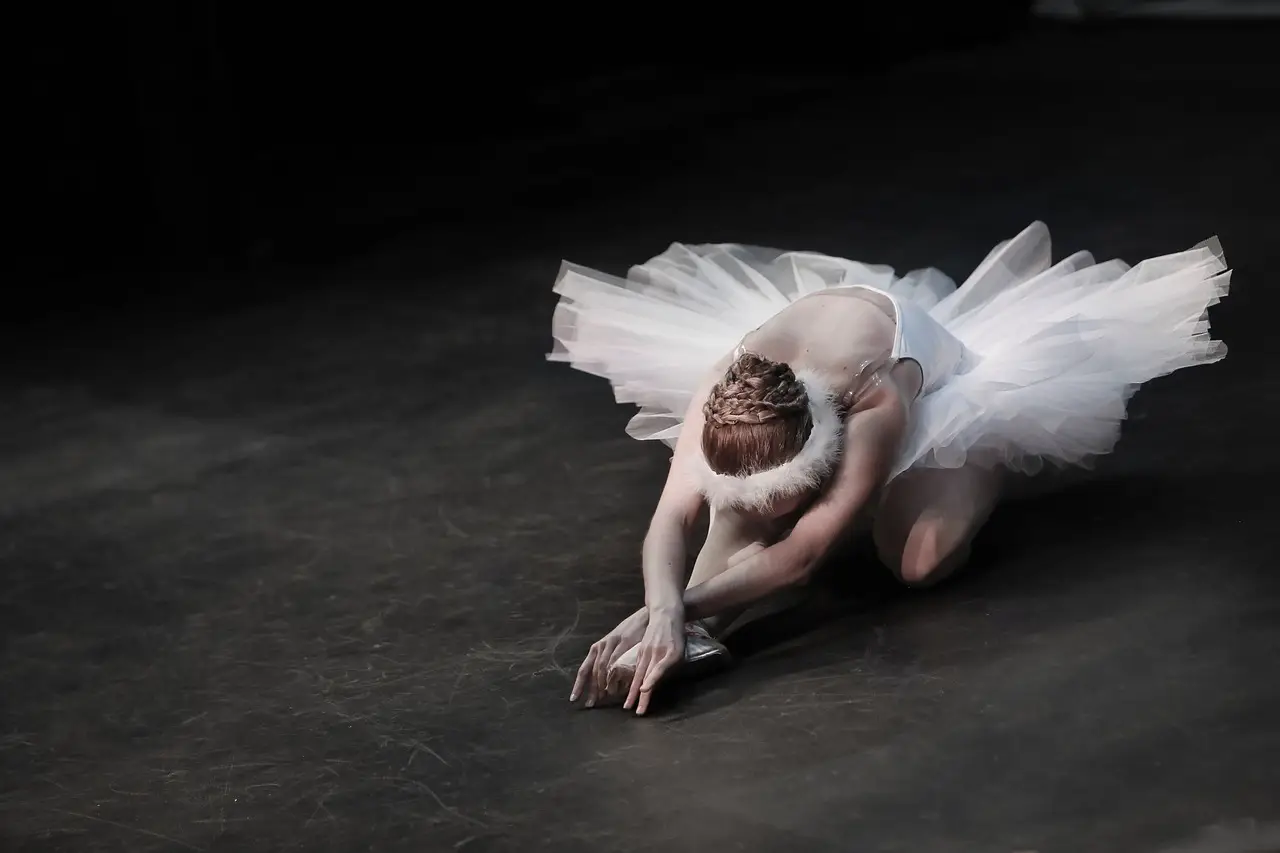
The Bill T. Jones/Arnie Zane Company will stop performing at the end of 2027, closing out 45 years and a repertory of more than 140 works, according to BroadwayWorld. Jones, who is nearly 75, said he wants to ask "new questions about how I want to create." That single sentence carries the weight of the decision: the company doesn't end because of money or health drama, but because its founder wants to rethink how he works at all.
It's a rare voluntary exit in American dance, where companies usually fold under financial pressure or limp on after a founder departs. Jones co-built the troupe with Arnie Zane, and its closure in 2027 will leave a substantial hole in New York's modern dance scene — one of the few led for decades by a Black choreographer of his generation.
What else happened this week in the art world?
The Vatican Museums mark a centenary under a cloud. The collection holds about 80,000 objects that missionaries sent to Rome for a 1925 exhibition, and this month marks 100 years since that show. A Vatican source says the current plan is to lie low. The reason: a McGill art historian says missionaries looted Canadian graves to fill the original exhibition, as The Guardian reports. The museum now faces the question every colonial-era collection faces — celebrate the anniversary, or reckon with how the objects arrived.
France's Goncourt prize dropped an AI-suspected best-seller. In September, the prize removed Haitian-Canadian writer Thélyson Orélien's bestselling book from contention over claims that AI wrote it. Kyle Berlin, a Paris magazine editor, draws a comparison to 1972, when Yambo Ouologuem — the first African winner of the Prix Renaudot — was accused of copying Graham Greene and never published again, according to The Atlantic. The parallel matters: both cases put a Black writer's authorship on trial, decades apart.
The Met streams a sold-out premiere for free. The final performance of Lincoln in the Bardo, Missy Mazzoli's opera, will stream free on YouTube this Saturday, Playbill reports. The house is sold out, so the stream is the only way in for most audiences. The Met is asking viewers to donate in the live chat toward its $1.5 billion fundraising campaign — a soft ask attached to a genuinely free event.
Two Caravaggio attributions landed in two days. Two Italian scholars announced authentication of two early Caravaggios within 48 hours of each other, Artnet reports. One of the paintings — a portrait of a young man — sold at a Vienna auction in 2017 as Tuscan school for €3,810. If the attributions hold, that modest price becomes one of the great sleeper sales of the century. If they don't, it stays a cautionary tale about authentication by announcement.
Each of these stories turns on the same mechanism: who gets to decide what's authentic, original or worth keeping. A choreographer deciding his own endpoint, a museum weighing a compromised inheritance, a prize policing authorship, an auction house reclassifying a painting. The institutions differ; the underlying question doesn't.
What does the Jones announcement change for audiences? Three more years of performances, effectively a long farewell tour. Expect retrospectives, revival programming and heavy ticket demand as 2027 approaches — companies closing on their own terms tend to draw crowds that missed them the first time around.
Source: artsjournal.com
More from Grace Kim
Show full bio
Correspondent covering technology and product news in arts in the broadest sense at Arts & Voices.
1,321 articles