Jeremy Shaw's 'Phase Shifting Index' Turns Dance Into Devotion in Berlin
Jeremy Shaw's 35-minute, seven-channel 'Phase Shifting Index' (2020) is on view at Berlin's Hamburger Bahnhof, dissolving seven dance troupes into pixels of faith.
Programme
- Jeremy Shaw's 'Phase Shifting Index' (2020) is a 35-minute, seven-channel video installation at Hamburger Bahnhof, Berlin
- Shaw was born in North Vancouver in 1977 and is based in Berlin
- He showed at the Centre Pompidou and Musée d'art contemporain de Montréal in 2020, MoMA PS1 in 2011
- His work appeared in the 2017 Venice Biennale and Manifesta 2016
- Shaw was raised Catholic in Vancouver in the 1980s
A 35-minute, seven-channel video installation by the Berlin-based Canadian artist Jeremy Shaw is on view at Berlin's Hamburger Bahnhof. The work, "Phase Shifting Index" (2020), immerses viewers in a sea of dancing bodies that dissolve into candy-colored pixels.
Shaw, born in North Vancouver in 1977, has built a career on work that reads as transcendent, trippy, and implicitly queer. His exhibition record anchors that reputation:
- A solo exhibition at the Centre Pompidou and the Musée d'art contemporain de Montréal in 2020
- A solo exhibition at MoMA PS1 in 2011
- Inclusion in the 2017 Venice Biennale
- Inclusion in Manifesta in 2016
His religious upbringing drives the practice. "I used to blanket my practice as being about 'altered states' — looping questions around neuroscience and the age-old notion of transcendence, escape from the body," Shaw said, "but these days I speak more about faith and belief."
What does the installation show?
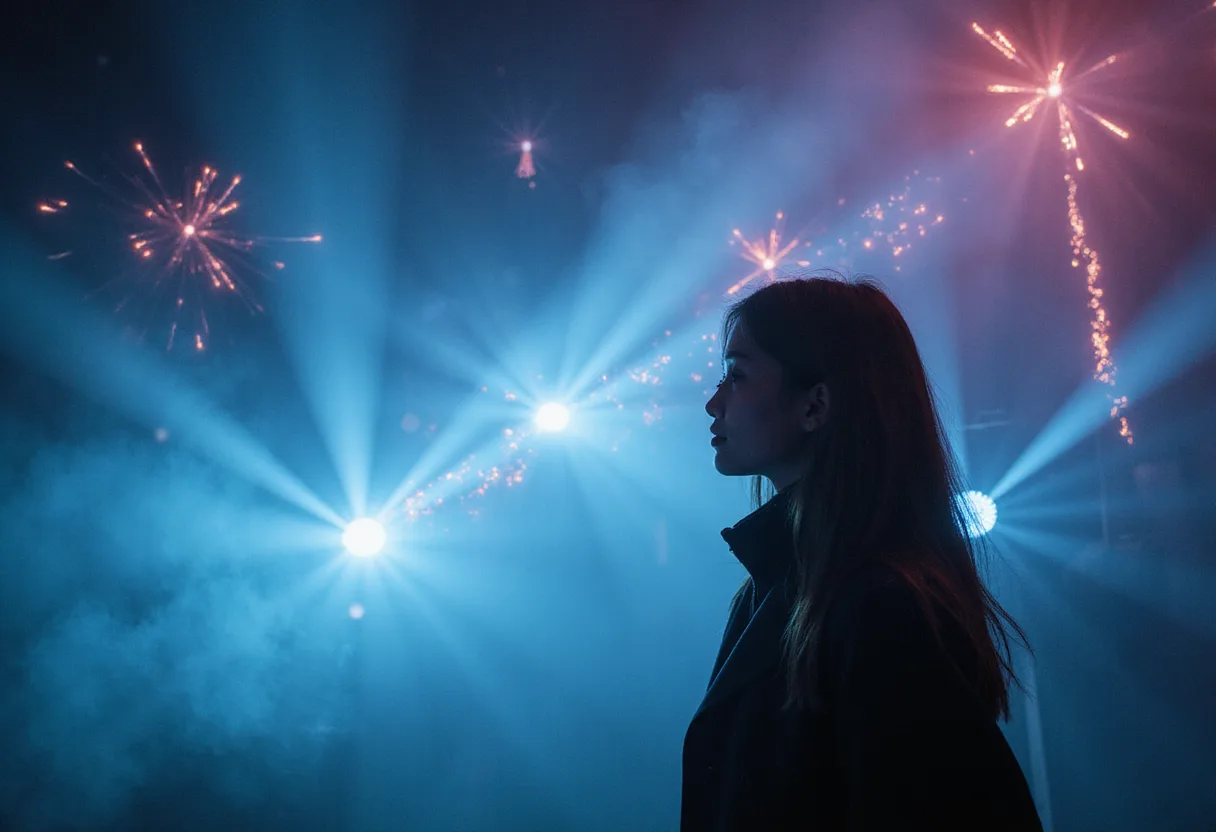
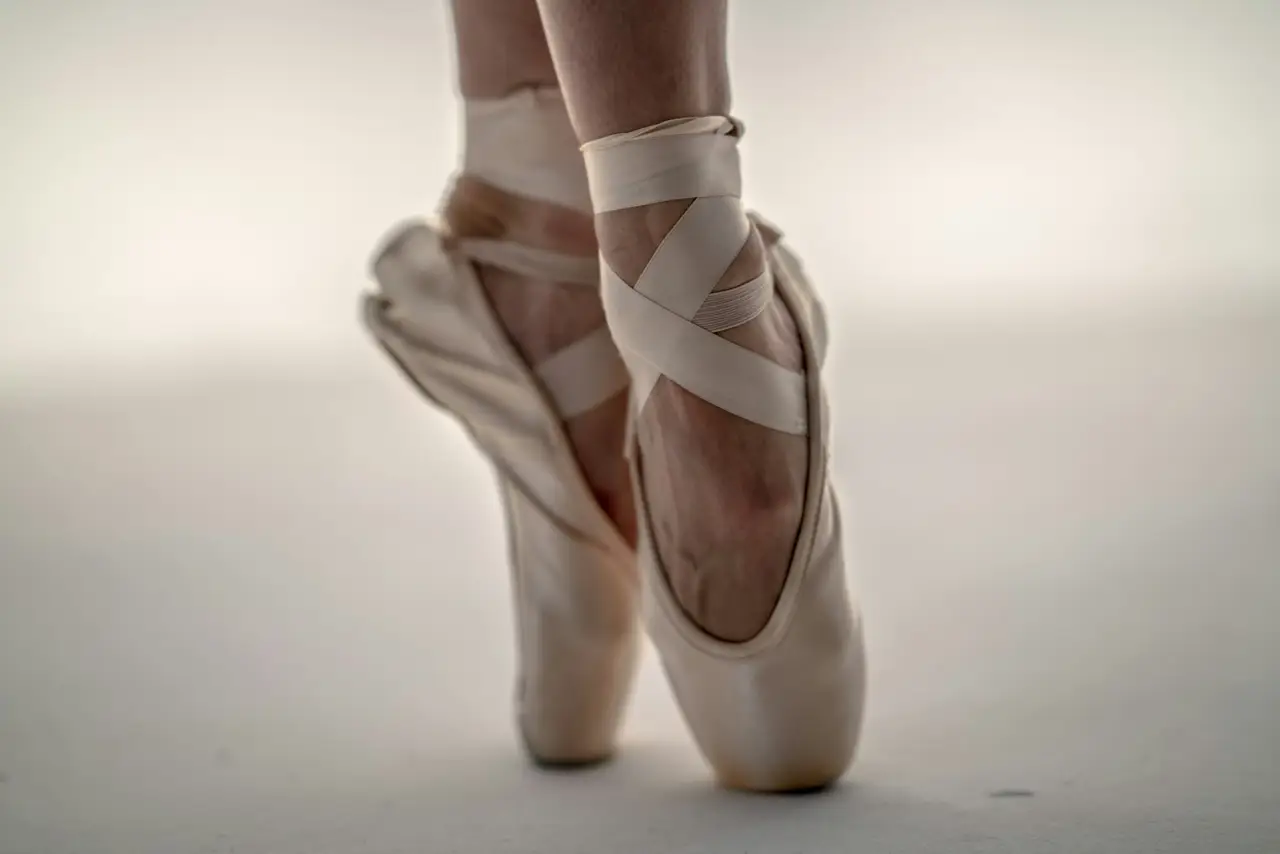
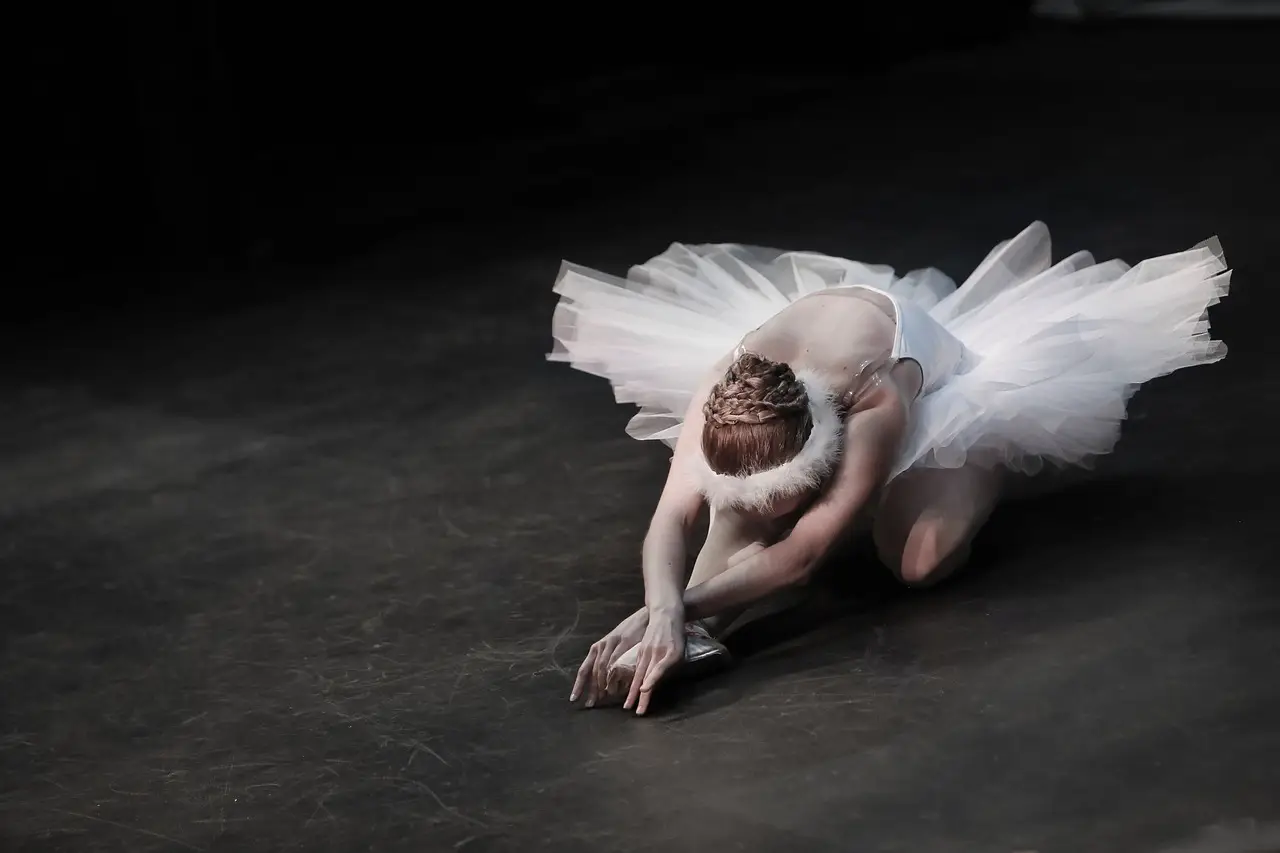
Seven dance troupes appear on screen, each distinct in historic era, cultural context, and choreographic style. Some march in matching Converses; some twist in black-lit button-downs; some flagellate their fingers in flesh-toned leotards. Each group rehearses, experiments, catharts, and bonds within its own sphere across the gallery.
Then the troupes converge. The moment they meet, they explode into what the work renders as a kinesthetic kaleidoscope of energy — and digitally deliquesce into pixels. The sequence runs the full 35 minutes, an experience comparable, the work suggests, to being baptized in sacramental strobe lights.
Where does the work come from?
Shaw traces the piece to his Catholic childhood in Vancouver in the 1980s. "I was raised Catholic and wanted to have a mystical experience at a young age," Shaw said, "even though I grew up gay, and knew there was something off about the system as well. But the desire for that experience is inherent."
The artist frames the tension between science and spirituality as a live question. "If you could empirically explain what's happening to a human brain during a spiritual experience," Shaw asked, "would that validate the experience or discount it?"
Why the shift from 'altered states' to faith?
The change in vocabulary marks a deliberate turn. Shaw's earlier framing circled neuroscience and the age-old notion of transcendence as escape from the body. His current language — faith and belief — pulls the work closer to the devotional impulses his dancers enact on screen, bodies bobbing in unison and brows lifted toward the heavens.
In plain terms: Shaw has stopped explaining ecstasy and started staging it. Whether the Hamburger Bahnhof audience follows him from neuroscience into belief is the question the next decade of his practice will answer.
By Elena Vasquez
Original: storage.ghost.io
More from Elena Vasquez
Show full bio
Senior reporter covering technology and product news in arts in the broadest sense at Arts & Voices.
992 articles