‘Black Shine’ Examines the 2006 Pasta de Conchos Mining Tragedy
Santiago Maza’s “Black Shine” premieres at the 24th Morelia Film Festival, revisiting the 2006 Pasta de Conchos explosion through two families’ fight for recovery.
Programme
- “Black Shine” premiered at the 24th Morelia Film Festival, which closes Oct. 25.
- The film revisits the 2006 Pasta de Conchos explosion, described in the report as burying 65 miners.
- Maza met El Güero and Elvira in 2021 while filming a climate-change short in Coahuila.
- A four-person crew filmed the short over four days in April with minimal pre-production.
- Maza completed the mockumentary script “Ecocides, Repent!” and is seeking Mexican state support.
By Elena Vasquez
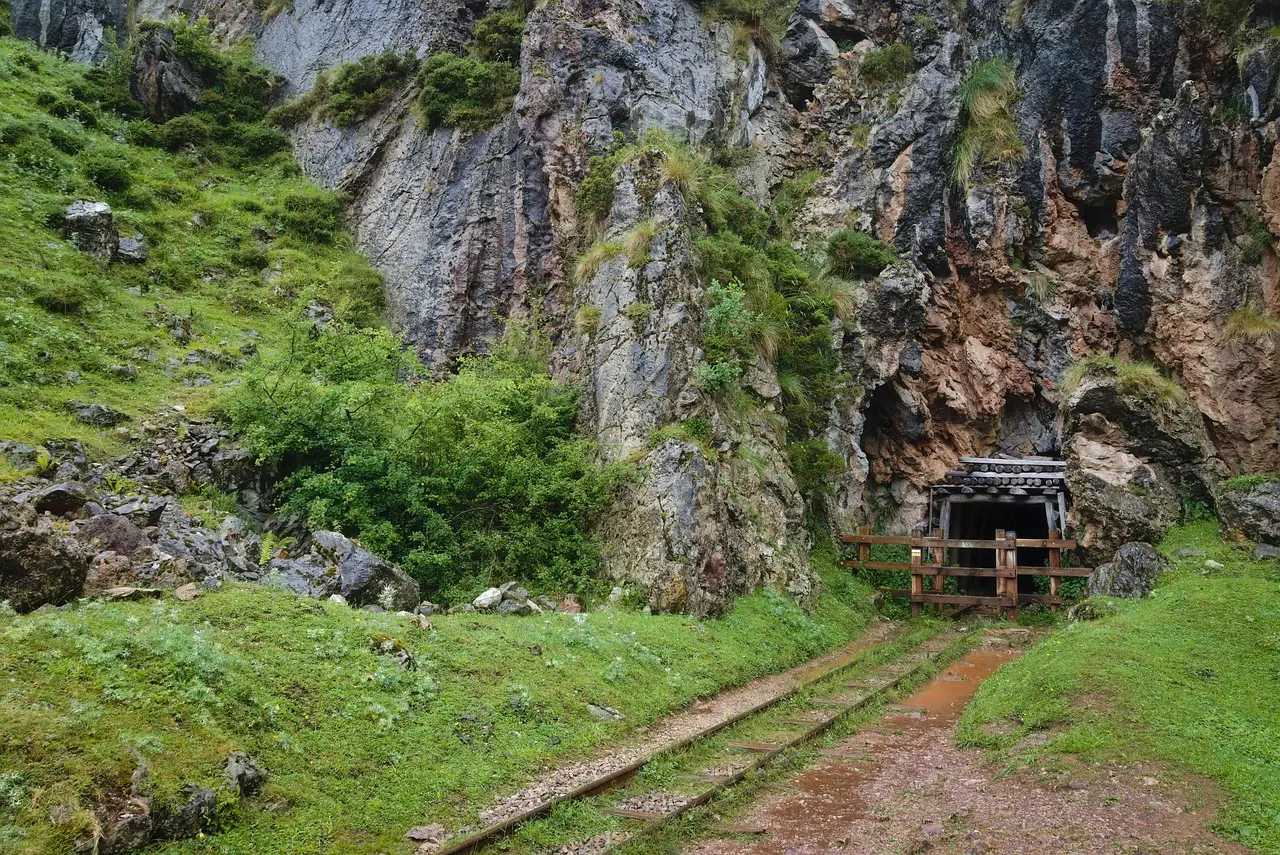
Santiago Maza’s “Black Shine” (“El brillo negro”) premiered at the 24th Morelia Film Festival, where it competes for the top prize among multiple short films. Variety reports that the short revisits the 2006 Pasta de Conchos mine explosion in Coahuila’s coal-mining region in Mexico.
The report describes the disaster as burying 65 miners. Its central subjects are two people:
- El Güero, a former miner who has recovered his brother’s remains.
- Elvira, who continues to wait for her husband.
According to Variety, two decades after the disaster, families continue seeking the recovery of their loved ones, following years of neglect and impunity that have prolonged their search for closure. Variety describes grief as an enduring act of resistance and a refusal to let those buried underground be forgotten.
Variety identifies Maza’s fourth feature-length documentary, “State of Silence” (“Estado de Silencio”), as a Diego Luna passion project. The film won the best feature award at Chile’s 2024 Santiago Film Festival, or Sanfic. It examines the high death count among reporters in Mexico through the lives of four journalists.
Variety draws a parallel: both documentaries center individual lives within larger systems of loss. It presents closure, rather than spectacle, as “Black Shine’s” central concern.
What happened after the Pasta de Conchos explosion?
Maza told Variety that he met El Güero and Elvira in 2021 while traveling to Coahuila to shoot a short film about climate change, where he met the Pasta de Conchos organization leading the campaign to recover long-buried bodies. According to Variety, some remains had already been recovered.
Maza described the organization’s rescue work:
“After 20 years of fighting for the recovery of the miners’ bodies, the families began experiencing deeply cathartic moments of rescue, like funerals filled with light and a long-awaited sense of peace.”
He continued:
“The organization invited me to document this process and it felt right. I wanted to make a film that acknowledged the political weight of the struggle while focusing on its emotional dimension.
Through the organization, I met Elvia and El Güero. Their stories felt like two sides of the same journey toward closure, capturing the possibility of peace after two decades of struggle.”
Maza then alleged that the mining company and government covered up the disaster:
“When the disaster happened in 2006, the mining company and the government effectively colluded to cover it up. They never properly searched for the miners. That was the second tragedy: the corruption and impunity that kept their families from recovering their loved ones.
Three presidential administrations came and gone before Andrés Manuel López Obrador visited the site in 2018 and promised that, if elected president, he would make the recovery happen.”
Maza identifies corruption and impunity as the second tragedy, not the explosion alone.
How does poetry shape the film?
Variety reports that Coahuila-born writer Julián Herbert reads lines from a poem he wrote for the short:
“It is the patience that endures, the water for the thirst of those who wait. Where there is love, there is no complete loss: there is the next sentence, the memory that stains and fades, the dawns that return. In the face of abandonment, presence: a fragile flash of lightning, light emanating from the act of waiting.”
Maza said: “I think it adds another layer to the short film, allowing us to explore the symbolism behind the whole situation.”
Variety reports that Herbert’s reading is juxtaposed against images of a blighted region, connecting the miners’ prolonged absence with waiting, memory, love, and the refusal to accept complete abandonment.
Maza says the poem adds symbolism, giving the film a language for waiting.
How did a four-person crew film it in four days?
Variety reports that Maza filmed the short in April with a four-person crew and minimal pre-production. “Black Shine” emerged from an instinctive, flexible approach that allowed the team to move across the region without a large production apparatus.
“This time, I pushed myself to trust my instincts and the visuals.”
Over four intense shooting days, the team moved freely across the region. They captured landscapes and details that reveal its history and people. As longtime collaborators, they worked intuitively and immersed themselves more deeply in the story. The small crew’s agility brought them closer to the people and places they filmed.
Variety’s account makes the small crew’s intimacy, not production scale, the short’s defining production choice.
What comes next after Morelia?
Variety reports that Maza next plans a new format for him: the mockumentary “Ecocides, Repent!” (“Ecocidas ¡Arrepentíos!”). It follows a documentary filmmaker not unlike Maza and includes autobiographical elements that Maza acknowledges. The filmmaker discovers a support group somewhat like Alcoholics Anonymous, but for people who have harmed the environment. Some participants have polluted rivers, destroyed forests, or contaminated cenotes, or sinkholes; all struggle with guilt.
Using dark humor, the documentary examines guilt and the absence of consequences for environmental damage in Mexico and elsewhere, testing whether accountability can follow lasting harm.
Maza described the documentary’s central turn:
“He starts becoming the vehicle for them to work through their guilt, but in the end, he realizes that he also has his own regrets to work through.”
Variety reports that the script is complete and Maza’s next step is seeking state support in Mexico.
“Ideally, I’d like to develop it as a co-production with Spain, since part of the story takes place there. We might shoot a small portion in Spain, but most of the film would be shot in Mexico.
The country has such a diversity of ecosystems, from deserts to jungles and the environments affected by pollution in the story can all be found here. That’s what allows the character to travel and explore these different landscapes.”
The 24th Morelia Film Festival wraps on Oct. 25. Maza’s next concrete step is securing Mexican state support; he also wants to develop “Ecocides, Repent!” as a co-production with Spain.
Source: Variety Film
More from Elena Vasquez
Show full bio
Senior reporter covering technology and product news in arts in the broadest sense at Arts & Voices.
757 articles