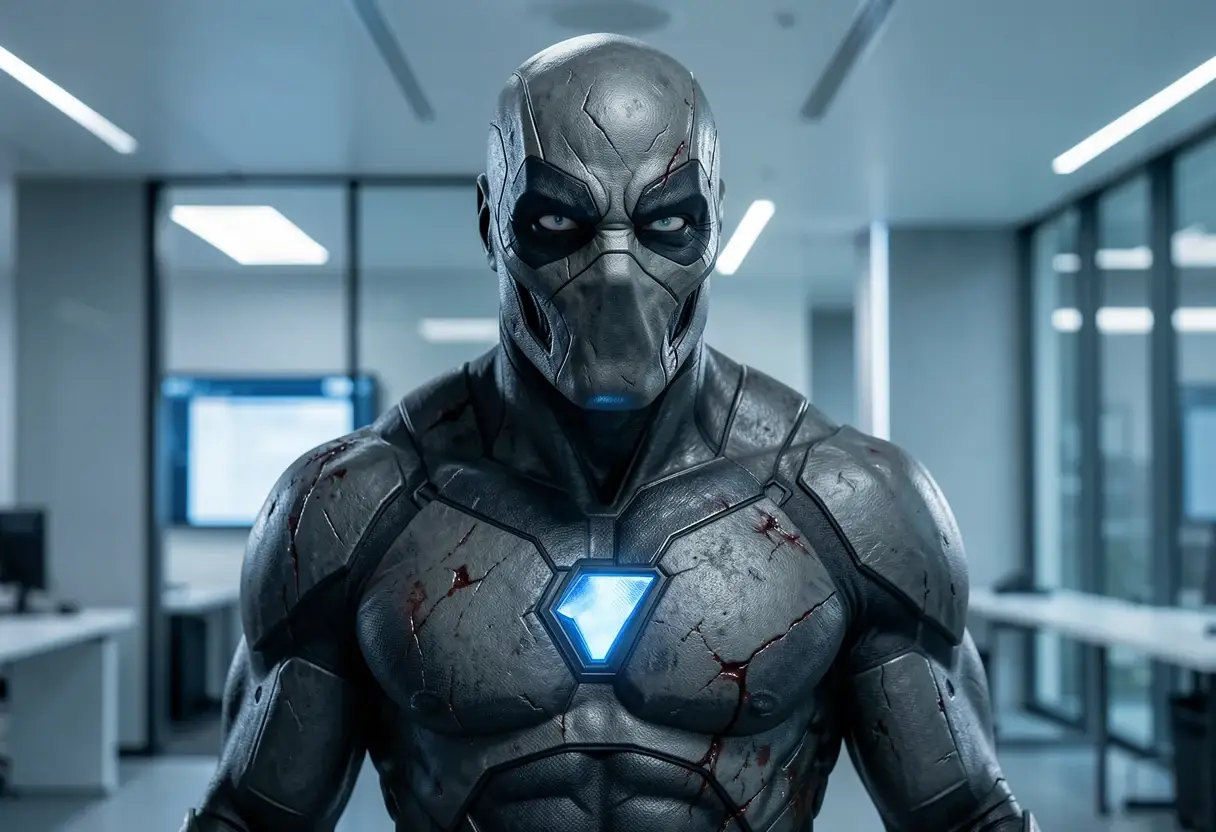
'Clayface' Opens to $24 Million in a Modest Win for DC Studios
DC's 'Clayface' opened to $24 million, below projections but profitable against its $44 million budget, faring far better than 'Supergirl's' estimated $80-120 million loss.

Programme
- "Clayface" opened to $24 million, below the $25-30 million projections, on a $44 million budget.
- "Supergirl," the prior DC release, lost an estimated $80-120 million and scored 52% on Rotten Tomatoes versus Clayface's 75%.
- Gunn's "Superman" earned $618.7 million globally last summer.
- "The Batman: Part II" opens in 2028; Gunn's "Man of Tomorrow" arrives next summer.
- "Spider-Man: Brand New Day" is the year's top film with $2.5 billion.
DC Studios' "Clayface" opened to $24 million at the domestic box office, landing slightly below the $25 million to $30 million that projections had predicted. The figure was still enough to win the weekend. The body-horror film, based on a little-known comic book character, held off the second weekend of A24's "You Can See Everything," which earned $19.5 million.
The debut marks year two of DC's mixed-bag theatrical revival under James Gunn and Peter Safran. The result is modest, but the economics favor the studio: "Clayface" carried a production price tag of $44 million, cheap by comic-book-movie standards. It may not be a profit-generating machine, but it won't lose money either, according to box office analysts.
How does 'Clayface' compare to DC's recent releases?
The contrast with "Supergirl," the previous film in the Gunn-Safran universe, is stark. "Supergirl" lost an estimated $80 million to $120 million and received a critical drubbing.
- "Clayface" stands at 75% "fresh" on Rotten Tomatoes.
- "Supergirl" sits at 52% "rotten."
- "Superman," written and directed by Gunn last summer, earned $618.7 million globally and was widely embraced by critics.
DC's streaming shows, including "Lanterns" and "Peacemaker," have been better received than some of the theatrical slate.
Why the reboot still trails the old guard
Nothing DC has produced under Gunn and Safran has come close to the box office heights of Christopher Nolan's "The Dark Knight" trilogy, the first "Aquaman," or "Wonder Woman." Two of Nolan's "Dark Knight" films topped $1 billion each, as did "Aquaman," while "Wonder Woman" earned $823.9 million.
When Gunn and Safran were enlisted to revitalize DC, the brand was struggling with consistency. Films like "Aquaman and the Lost Kingdom" and "The Flash" collapsed in spectacular fashion — little seen and little enjoyed. The new regime's output has improved on that low bar, even if DC's recent efforts have yet to deliver the gloriously demented pleasures of Gunn's "Guardians of the Galaxy" films.
The division of labor is clear inside the studio. Safran, a veteran producer whose credits include "The Conjuring" franchise, is seen as the business brains of the operation, while Gunn speaks comic book and charts the creative vision.
What comes next for DC's headliners?
DC will bring back its marquee names. "The Batman: Part II" opens in theaters in 2028, and Gunn returns to Superman with next summer's "Man of Tomorrow." Both films seem poised to connect with audiences.
The broader climate complicates those bets. Gunn and Safran may simply have the misfortune of leading a comic book empire at a time when audiences are growing more selective about their costumed heroes. "Spider-Man: Brand New Day" is the highest-grossing film of the year with $2.5 billion, but that features one of the most iconic comic book characters in history. "Avengers: Doomsday," opening in December, is expected to be a blockbuster — with Robert Downey Jr. and Chris Evans returning to the MCU.
Outside of those Tiffany brands, even Marvel, which DC clearly wants to emulate, has struggled. The company's attempts to build a new group of Avengers — "Thunderbolts," "The Fantastic Four: First Steps," "The Eternals" and "The Marvels" — have been box office disappointments, if not outright bombs.
The takeaway is plain: if the king of comic book universes is struggling, it may be wrong to hope for more from Gunn and Safran. In that atmosphere, "Clayface" may count as a win — modest though its victory may be — and it sets a workable template for mid-budget genre filmmaking as DC waits for its 2027-2028 tentpoles.
Original: pmc.com
More from Elena Vasquez
Show full bio
Senior reporter covering technology and product news in arts in the broadest sense at Arts & Voices.
757 articles