Black Theater Returns to Chicago's South Side
Grant dollars and new companies like Pulse Theatre and Definition Theatre are reviving Black theater on Chicago's South Side, once America's hub for the form.
Programme
- The Forum Hall in Bronzeville, built in 1897, is being revitalized by developer Bernard Loyd as part of a nine-site cultural zone.
- Definition Theatre plans a future owned home in Bronzeville; Court Theatre will stage avery r. young's opera 'safronia' in spring 2027.
- Kuumba Theatre Company, the first Black Equity company, was founded in 1968 and closed in 1993 for lack of funds.
- Ron OJ Parson will complete the August Wilson 10-play cycle at Court Theatre next year with 'Joe Turner Has Come and Gone.'
- Congo Square Theatre Company was dissolved by its board last spring after 25 years of award-winning work.
Chicago's South Side, the onetime center of Black theater in America, is staging a tentative comeback driven by new companies, grant dollars and venue revivals across Bronzeville, Grand Crossing and Hyde Park.
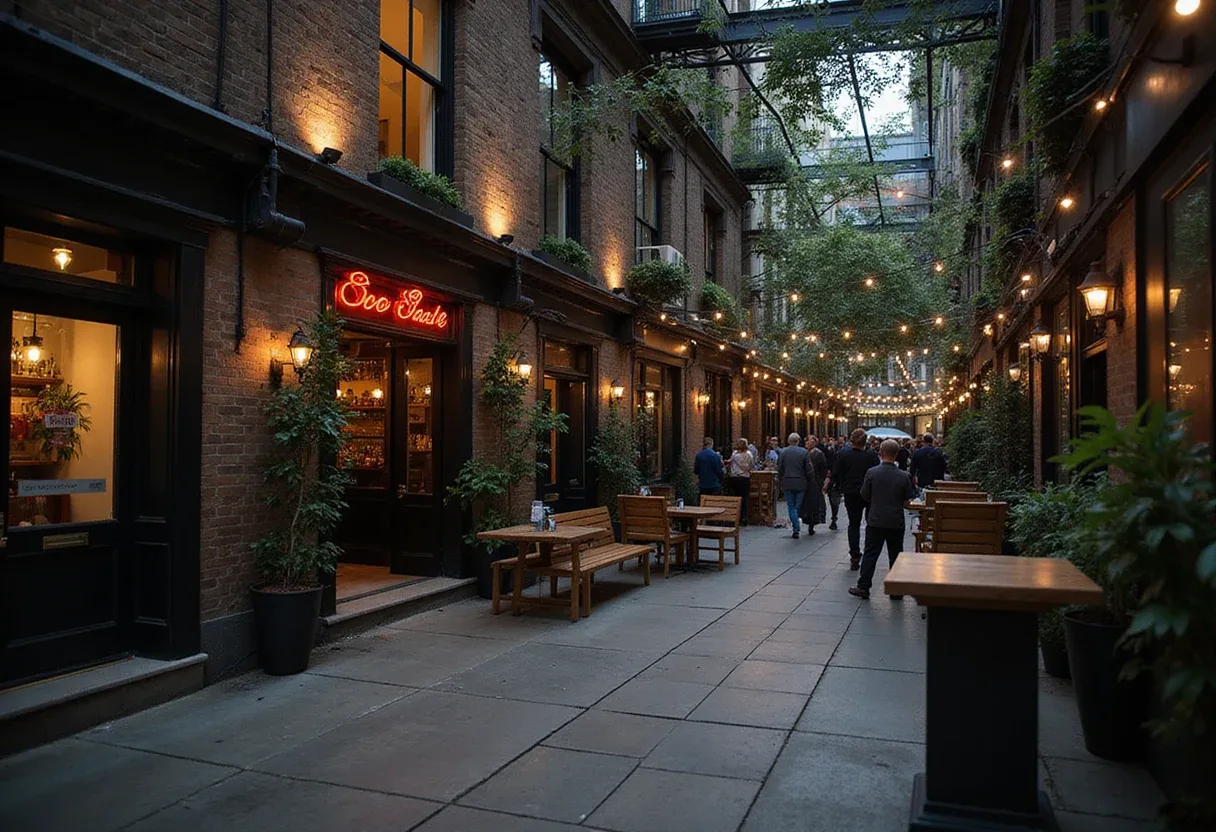
The clearest symbol is the Forum Hall in Bronzeville. Built in 1897 and a staple of the 1950s-era Black Metropolis, the hall stands in visible disrepair but sits, as developer Bernard Loyd puts it, on the precipice of a return. Loyd, a Bronzeville native, is leading the revitalization and has already brought musicians back into the space.
"A teenager named Nat Cole used to perform on that stage right there," Loyd said, recalling the singer who became Nat "King" Cole. "He lived right around the corner on Vincennes and 41st. He performed on the stage right here, and there'd be hundreds of youth lindy hopping and so forth, dancing on this floor."
What is driving the revival?
In the early 20th century, Chicago was a national hub for Black theater. The South Side hosted some of the country's first Black theater companies, including the first Black Equity company, Kuumba Theatre Company, founded in 1968. The 1960s and '70s saw companies flourish, among them eta Creative Arts Foundation and Theodore Ward's South Side Center for the Performing Arts.
Then, for economic and systemic reasons, the scene collapsed, save for a few survivors. Now fresh talent and arts-driven community development grants have opened a new chapter:
- eta Creative Arts Foundation, founded in 1971 in Grand Crossing, now hosts resident company Pulse Theatre, led by Aaron Reese Boseman, nephew of the late "Black Panther" star Chadwick Boseman.
- Definition Theatre, across from the University of Chicago in Hyde Park, is expanding beyond its storefront and opens its doors to itinerant groups. This fall, Perceptions Theater and Coalescence Theatre Project will stage Kelundra Smith's "Other Paths to God" there.
- Court Theatre on the U. of C. campus has become one of the city's premiere Equity venues and is showcasing more Black artists than in the past.
- The Beverly Arts Center, founded in 1967, still stages plays, as does its former resident company, Beverly Theatre Guild, Chicago's oldest community theater company.
- Free Street Theater, founded in 1969, runs a storefront in Back of the Yards with a prominent youth ensemble, producing shows on racial, economic and environmental justice.
What stands in the way?
The moment is promising but tense. Landlords refuse to rent; some companies have folded under leadership struggles. Congo Square Theatre Company, which produced award-winning work in Chicago for a quarter-century, was quietly dissolved by its board last spring after years of tension between ensemble and board.
"Some South Side theater organizations lived, then died out, because they didn't get funding," said Tyrone Phillips, founding artistic director of Definition Theatre. "They didn't get the support that the major white theaters are getting. And when the white theaters started doing their annual Black-show-a-year for the season, that funding went over there."
Phillips, whose company landed in a former Revival comedy club storefront by design, is raising money for a building the company will own — one he calls crucial to its mission. Definition hopes its future home will sit in Bronzeville, part of a nine-site cultural zone in planning that includes Loyd's Forum Hall.
Space remains the structural problem. Coya Paz, producing artistic director of Free Street Theater, which has been in Back of the Yards since 2016, points to "zombie landlords" who hold empty storefronts for tax write-offs.
"They're getting more money from a tax write-off than they would renting that space," Paz said. "There's a whole coalition of people … who are calling out landlords and saying, 'Let us buy the building if you're not going to activate it.' Our communities are not thriving when we have just empty storefront after empty storefront."
How does legacy anchor the present?
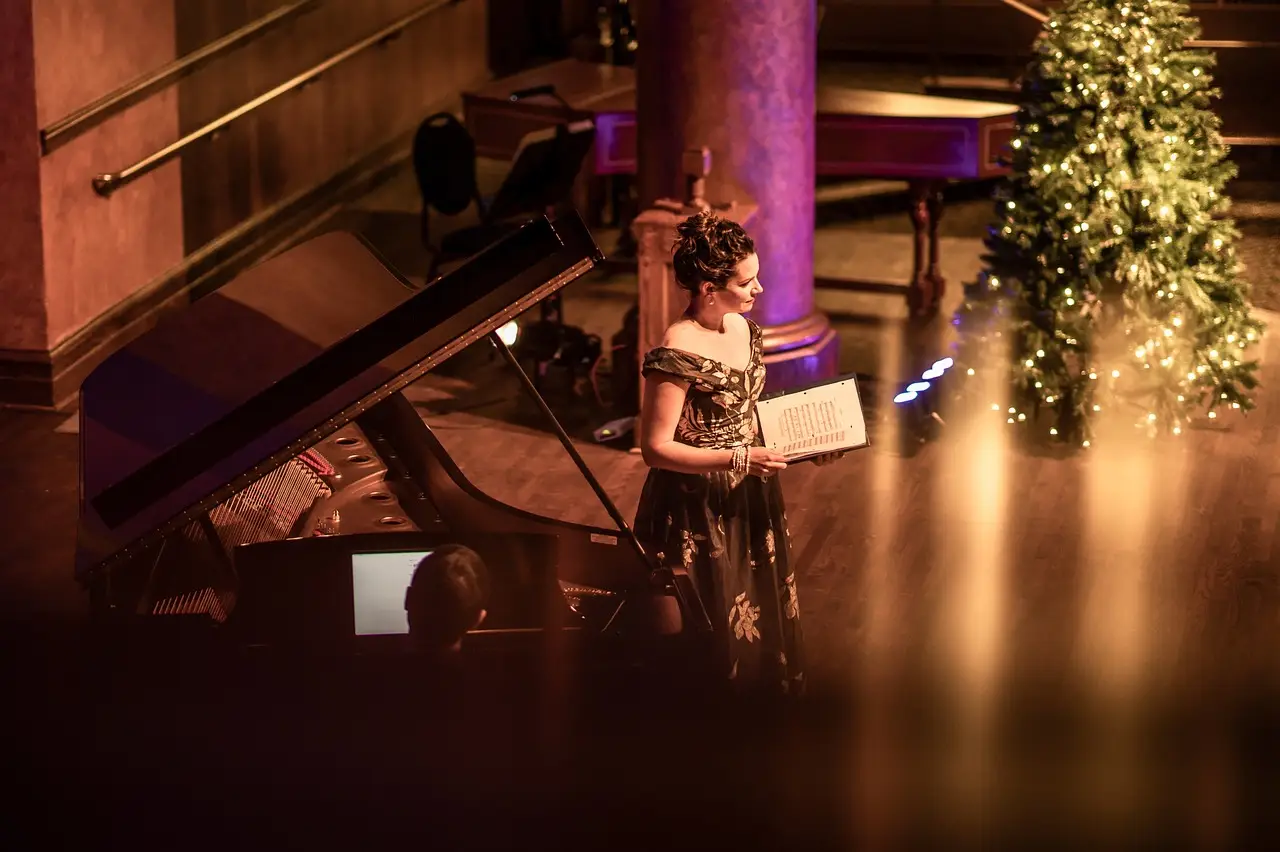
At eta's 200-seat theater — a former glass factory that also houses a gallery and classrooms — Pulse recently opened Dominique Morisseau's "Detroit '67" to a hugging, handshaking South Side crowd. Boseman, who ran his company as a vagabond for years, said residency in the legendary venue matters.
"[It was] finding something fresh to bring to the South Side," Boseman said. "People should go past this place and not just remember it as something from the past, but also be like, 'Yo, this thing is still thriving and kicking.'"
Court Theatre, undergoing renovation, plans the first theatrical staging of inaugural Chicago poet laureate avery r. young's new opera "safronia" in spring 2027. Resident artist Ron OJ Parson, who has spent 21 years at Court, acknowledged the theater once resisted diversity but credited former artistic director Charles Newell with change. "Name me some other classics, you know, Black classics besides 'A Raisin in the Sun,'" Newell asked him. Parson returned with a list of Black plays, many of which he has since directed there. Next year he will direct "Joe Turner Has Come and Gone," completing the entire August Wilson 10-play cycle at a single theater.
Over the summer, Court revisited Kuumba's history at Harold Washington Library, part of a series on 100 years of Black art. Filmmaker Pemon Rami, a Kuumba veteran, traced the golden age of South Side theater there. He later described the founding impulse in Hyde Park: "After Malcolm X died, it became evident that Black people needed to begin, or continue to, develop work for Black audiences."
Kuumba, which brought James Baldwin to the South Side in its 1970s and '80s glory days, shuttered in 1993 for lack of funds. Loyd attributes the broader downturn to public policy: "One is that 75% of the population left, and therefore there was no local population to feed these theaters," he said, while desegregation let remaining residents attend venues like the Downtown Chicago Theatre.
Theater makers say they intend to push forward while connecting to that past. "We're building on land Lorraine Hansberry used to own," Phillips said. "That's part of plugging into legacy, of knowing how our stories can affect our real lives — that's why we're in it."
Source: artsjournal.com
More from Elena Vasquez
Show full bio
Senior reporter covering technology and product news in arts in the broadest sense at Arts & Voices.
1,246 articles