Blade Runner 2099 puts Michelle Yeoh in TV's neon apocalypse
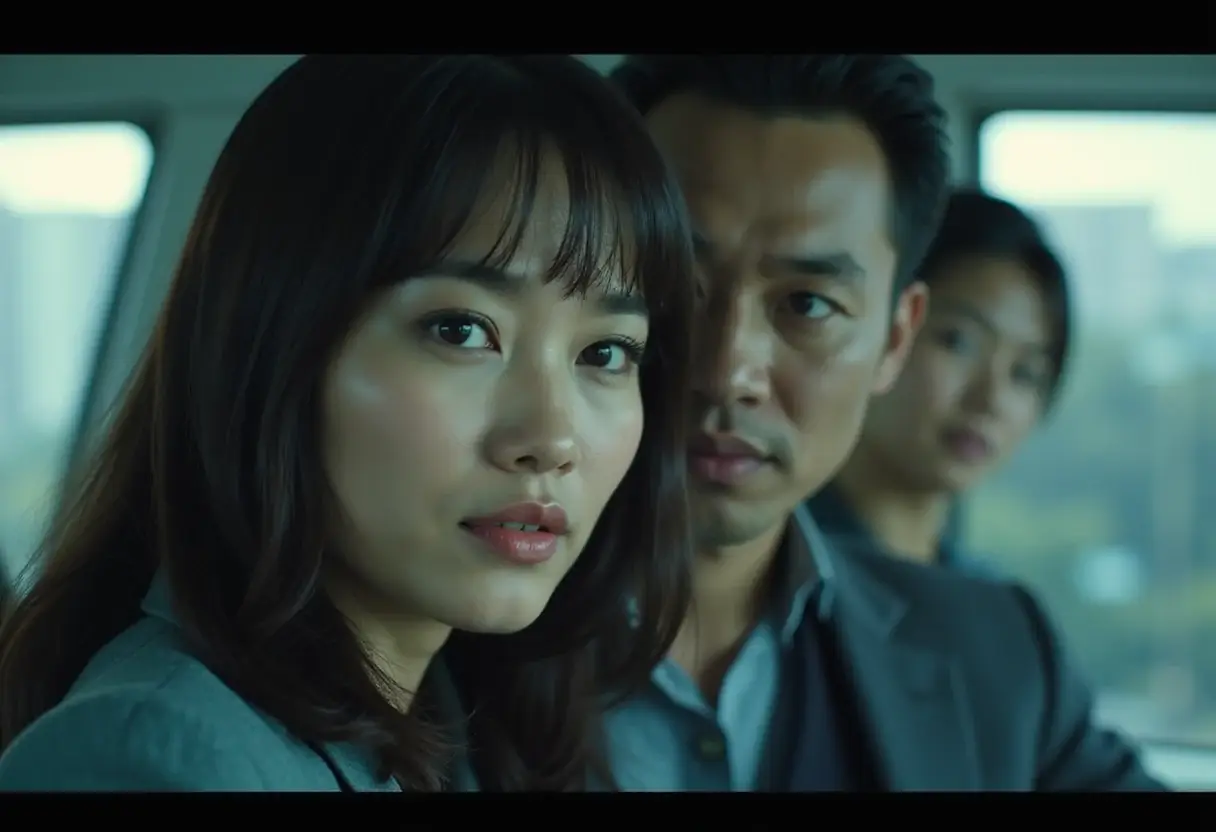
Michelle Yeoh and Hunter Schafer hunt rogue replicants in Blade Runner 2099, TV's first entry in the franchise — a neon dystopia where human memory is contraband and the machines have won.
Programme
- Blade Runner 2099 is the franchise's first television adaptation, reviewed by the Guardian on 25 November 2026.
- The series stars Michelle Yeoh and Hunter Schafer tracking replicants gone rogue.
- It is set fifty years after the events of Blade Runner 2049 (2017), with replicants now hunting disobedient humans.
- The capture and storage of human memories is illegal in the show's world, making memory valuable contraband.
Blade Runner 2099, the franchise's first expansion into television, stars Michelle Yeoh and Hunter Schafer as hunters tracking a group of replicants gone rogue — in a world where, fifty years after the events of the last film, the machines have already won.
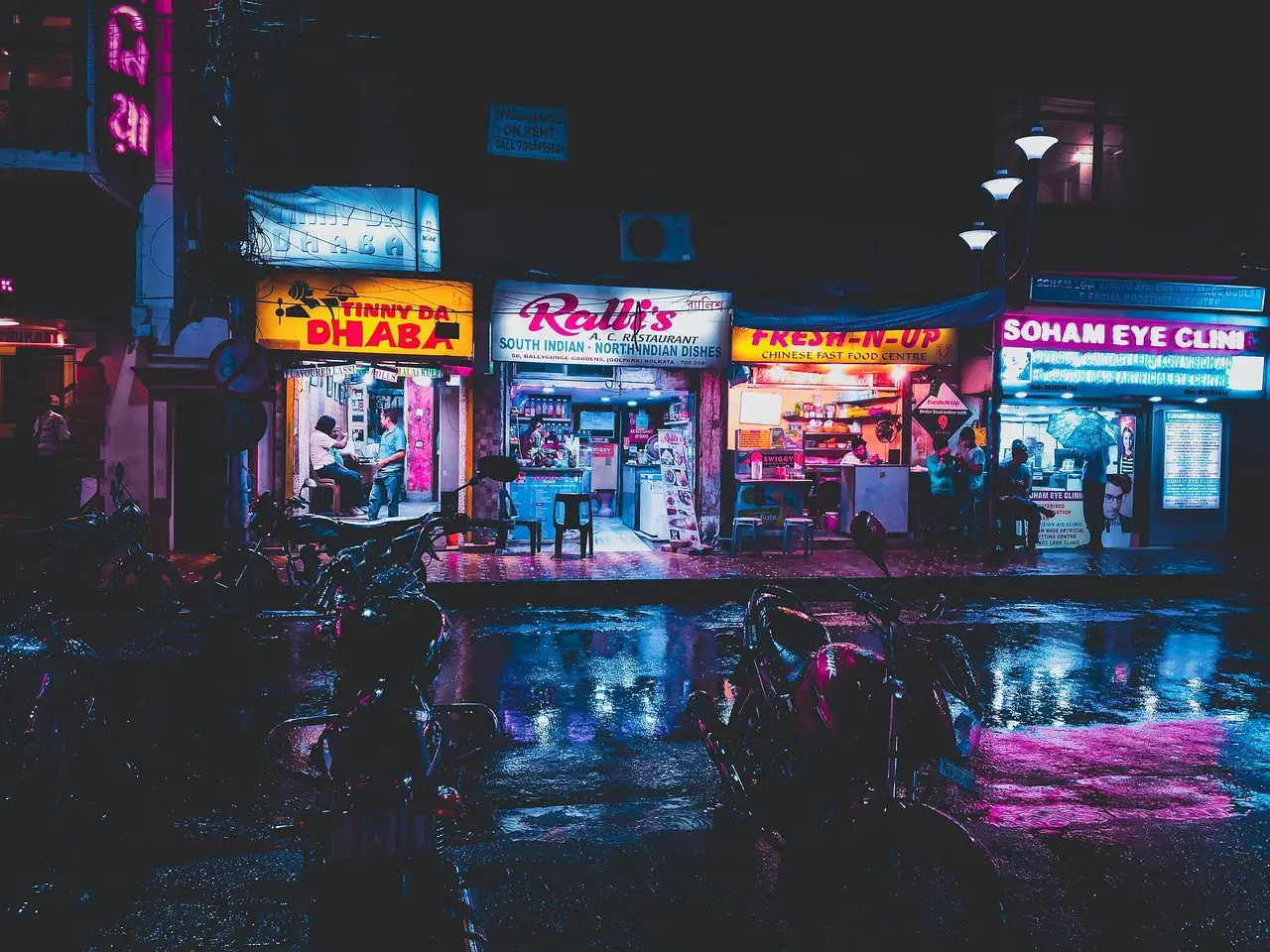
The Guardian's review, published 25 November, opens with a verdict that cuts two ways: "every scene of this TV version is packed with terrifying visual beauty." It is a neon-filled world of what the critic calls "beautiful doomsday visions." The praise is for the image; the word "terrifying" does the critical work.
What is the story actually about?
Memory, the review argues, is the "mother of the muses, and the heart of the Blade Runner franchise." Science fiction keeps asking what it means to be human, and the future dystopia first painted by Ridley Scott's 1982 movie has always answered the same way: we are what we remember, a "collection of short films inside our heads."
The series inherits that question directly from its predecessors. In the original Blade Runner, Rachael (Sean Young) is devastated to learn her childhood memories are not real, and that she is therefore a replicant. In Denis Villeneuve's 2017 sequel Blade Runner 2049, K (Ryan Gosling) knows he is a replicant but hopes his memories prove he is "something close to human."
What does the new series change?
The premise has inverted. Fifty years on from Blade Runner 2049:
- The replicants have won.
- "Blade runners" are now replicants hunting down disobedient humans, rather than the other way around.
- The capture and storage of human memories is illegal.
- As humanity dies, what it remembers has become valuable contraband.
That reversal is the show's sharpest idea. The hunters are the hunted's successors, and the franchise's central anxiety — artificial beings indistinguishable from people — has hardened into law.
Why now?
The review's timing argument is explicit. Blade Runner has always been relevant to the age of AI because its starting point is enslaved robots in rebellion. But this version, the critic writes, is "acutely topical in an era where we're increasingly anxious about whether what we're seeing – or reading – is the work of machines."
A caveat follows every promise, and this one is worth stating plainly: the excerpted review promises visual splendour and a resonant premise, but it does not yet say whether the writing sustains them across a full season, nor how much screen time Yeoh and Schafer's hunt actually receives. The strongest claims here are about look and premise, not plot payoff.
The full review continues at the Guardian. What it establishes so far: the franchise's first television move arrives with a genuinely inverted world, two proven leads, and imagery the critic calls terrifying and beautiful in the same breath. Whether that beauty hides a story worth fifty more years of Blade Runner is the question the series now has to answer.
Source: theguardian.com
More from Tom Whitfield
Show full bio
Market editor covering people, launches and day-to-day practice in arts in the broadest sense at Arts & Voices.
1,767 articles