Bobby Charles, the Songwriter Who Chose a Pet Alligator Over Fame
He never learned an instrument, yet wrote hits for Fats Domino and Ray Charles. A new box set, The Bobby Charles Story, gathers nearly every recording by rock'n'roll's great bayou recluse.
Programme
- Bobby Charles (1938–2010) signed to Chess Records in 1955 aged 17 after singing See You Later, Alligator down the phone to Leonard Chess.
- Fats Domino scored hits with two Charles originals, Before I Grow Too Old and Walking to New Orleans; Frogman Henry hit with But I Do in 1961.
- Ray Charles's 1977 version of The Jealous Kind remains the definitive take of Charles's most covered song.
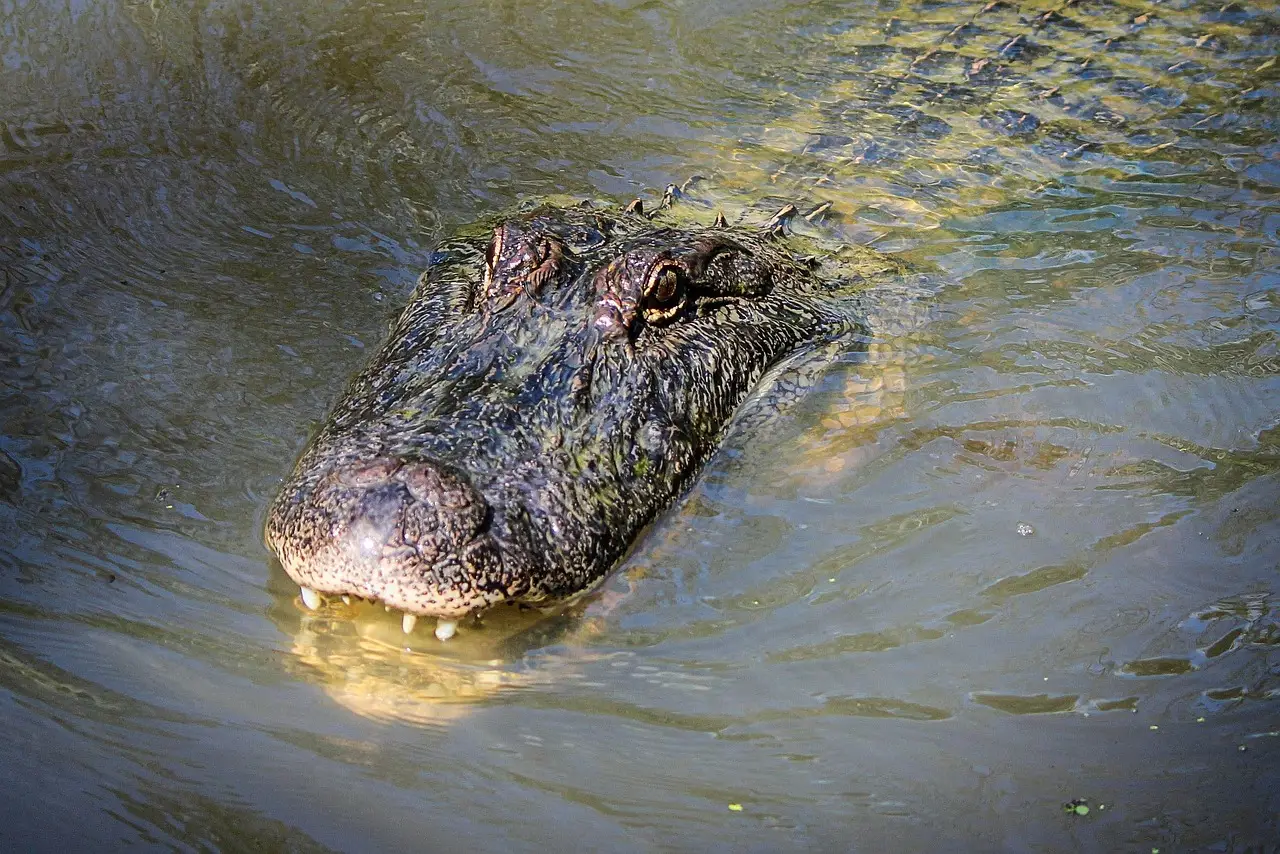
- Charles lived reclusively by the bayou with a pet alligator; Hurricane Rita left him homeless in 2005.
- The box set The Bobby Charles Story, driven by Proper Records' Malcolm Mills, contains almost every recording Charles released.
Bobby Charles could not play a single instrument, yet Fats Domino, Etta James, Kris Kristofferson and Ray Charles all sang his songs. A new box set, The Bobby Charles Story, containing almost every recording he released, now aims to install the Louisiana songwriter — who died in 2010 — among the greats. Whether it can reach listeners who never encountered him the first time round is the open question.
The set has powerful advocates. Korey Richey, multi-instrumentalist with LCD Soundsystem, recalls hearing Bob Dylan's Theme Time radio show, on which Dylan said: "Bobby Charles is best known as a songwriter, but he has one of the most melodious voices ever transmuted into a piece of vinyl." Richey's verdict: "I thought about it, and I agree: Bobby Charles was something else."
Robert Charles Guidry was born in 1938 to French-speaking parents in Abbeville, Louisiana. At 14 he heard Hank Williams and Fats Domino on the radio and began composing songs in his head, singing them in high school bands. At a concert in Crowley, Louisiana, a record shop owner watched the crowd erupt for a Guidry original called See You Later, Alligator and phoned Leonard Chess of Chess Records in Chicago. Chess signed the 17-year-old on the spot, in 1955, after hearing him sing the song down the phone line.
The story turns quickly. Later Alligator charted on R&B, and Chess reportedly greeted the young writer in Chicago with: "Motherfucker! You're not Black?" Charles replied: "No, but I'm Cajun — is that close enough?"
Chess sent him on the road with a package tour headlined by Chuck Berry, as the only white artist. "I had to eat in the kitchens and back rooms and sleep in the Black hotels with all of 'em," Charles said in 1995. "Brother to brother, you know." Then it hardened: "A couple of white guys tried to shoot me, 'cos they didn't want to see me hanging out with the Black guys."
Bill Haley's hit version of See You Later, Alligator and that tour ended Charles's performing career almost before it began. He became a writer for others, helping pioneer the blend of Cajun, country and R&B later tagged swamp pop. "Bobby gave me a song called Your Picture, one of my best local hits," says 88-year-old swamp pop veteran Johnnie Allan. "He showed us Cajuns how we could write our own songs, get this new sound."
After Chess dropped him acrimoniously, Fats Domino recorded two Charles originals, Before I Grow Too Old and Walking to New Orleans, both hits; Clarence "Frogman" Henry scored again in 1961 with But I Do. A drug bust in Nashville sent Charles fleeing while on bail, and he drifted to Woodstock, New York. Albert Grossman — manager of the Band and Bob Dylan — signed him to Bearsville and got the warrant dismissed. Backed by the Band (minus Robbie Robertson), guitarist Amos Garrett and Dr John, his eponymous 1972 debut is bruised, stoned and soulful; broadcaster Charlie Gillett named it album of the year. Few heard it, as his relationship with Grossman soured. He then joined Paul Butterfield's Better Days, which released two overlooked albums in 1973.
"Everything he said sounded like a song title," recalls that band's lead vocalist, Geoff Muldaur. "He couldn't play an instrument, so he'd sing us his songs and use his arms to demonstrate the rhythms and changes. He was very talented."
What does the recluse years change for his legacy?
Charles retreated to a house by the bayou with a pet alligator, sang on the Band's Rock of Ages, appeared at 1976's The Last Waltz singing Down South in New Orleans — and, suitably for a recluse, is absent from Scorsese's film. He released Clean Water in 1987, singing of polluted bayous, then issued albums sporadically on his Rice 'N' Gravy label, never performing.
Malcolm Mills of Proper Records tracked him down in 2004, meeting him face-to-face in Lake Charles: "He certainly knew how to smell a rat. I passed the test." Mills built the friendship that produced the box set. "I wanted to honour his life and career."
The songs hold up. Richey calls them "a masterclass in simplicity, not overthinking"; The Jealous Kind drew versions from Etta James, Joe Cocker and Delbert McClinton, though none matches Ray Charles's chilling 1977 reading. After Hurricane Rita left him homeless in 2005, Charles spent his final years in a trailer at Holly Beach, furious at the oil industry. Beth McKee, who sang on his final album, 2010's Timeless, says simply: "Bobby was wounded."
A restored catalogue will not repair the ripoffs Charles endured, but it finally gives listeners the chance Dylan's phrase promised: to hear one of pop's most melodious voices, at length.
Source: theguardian.com
More from Tom Whitfield
Show full bio
Market editor covering people, launches and day-to-day practice in arts in the broadest sense at Arts & Voices.
1,548 articles