Brazil's Federal Police Track 300 Missing Church Artworks
Federal Police opened a case on 14 October into nearly 300 missing pieces from Rio's Igreja de Nossa Senhora da Lapa dos Mercadores, traced through a Copacabana auction.
Programme
- Federal Police opened the inquiry on 14 October into nearly 300 missing pieces.
- Five pieces were identified in a Copacabana auction catalogue and returned in July 2024.
- Fernando José Saboya de Albuquerque was charged on 4 August 2026 with qualified receiving three times over.
- The collector's heir was summoned to answer 20 questions within 15 days.
- The brotherhood asked courts to freeze sales of the heirs' collection of nearly 3,000 objects.
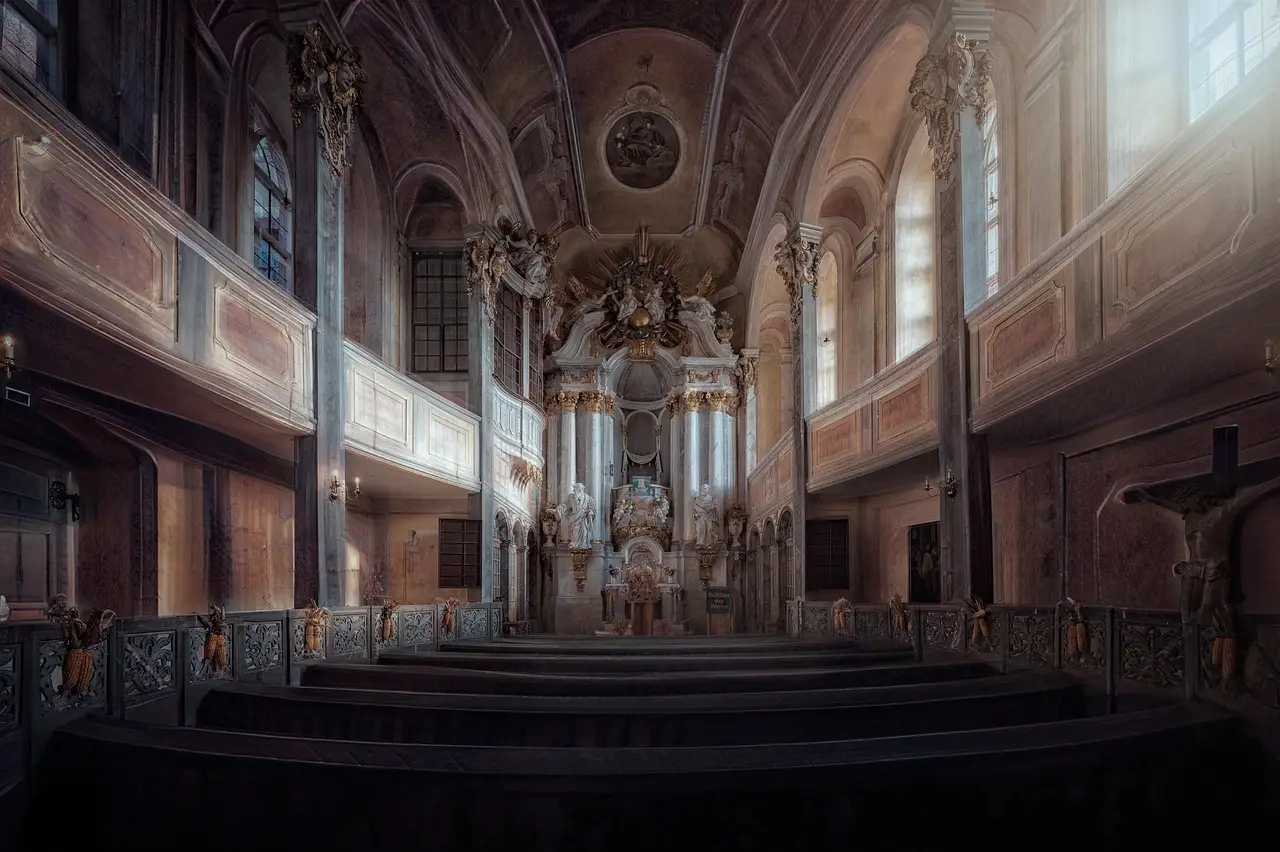
Brazil's Federal Police opened an investigation on 14 October into the disappearance of nearly 300 artworks from the Church of Nossa Senhora da Lapa dos Mercadores in Rio de Janeiro. The inquiry covers theft, receiving stolen goods, and smuggling of listed heritage property.
The case began when the Irmandade de Nossa Senhora da Lapa dos Mercadores, the church's brotherhood, identified two candlesticks and three sacras — altar furnishings — in an auction catalogue in Copacabana. The pieces were returned to the church in July 2024.
The trail led to a specific dealer. On 4 August 2026, prosecutors formally charged (indiciamento) Fernando José Saboya de Albuquerque with receiving stolen goods three times over. Fernando sources pieces for the art office of his mother, Dagmar Saboya. He allegedly placed the lots in the 100th Dagmar Saboya Auction.
What did the forensic review find?
Examinations indicated the auction offered not only the Lapa pieces but also works belonging to the Ordem Terceira de Nossa Senhora do Monte do Carmo and the Catedral Metropolitana de Belém, in the state of Pará. The antiquarian said he withdrew the lots after notification from the Instituto do Patrimônio Histórico e Artístico Nacional (Iphan), the federal heritage agency.
The Federal Police identified the man who consigned the pieces: Jorge Getúlio Veiga Filho. He told investigators he had received the objects from his mother, Beatriz de Getúlio Veiga, and produced no documents of acquisition. Veiga Filho is the son of Jorge Getúlio Veiga, who died in 1996 and was one of Brazil's largest art collectors, with an accumulation of nearly 3,000 objects.
Who moved the silver out of the church?
The investigation now rests on the account of Florentino Thomaz da Silva, the church's former sexton, who died in 2024. He said an antiquarian surnamed Fonseca had brokered the handover of 18th-century silverware and furniture from the temple to the collector Jorge Getúlio Veiga, with the help of former members of the Irmandade.
Silva is dead, so his account cannot be tested in deposition. That is the case's structural weakness, and the Federal Police's own paper trail — inventories, consignment records — will have to carry the burden.
The investigating officer, Delegado Iago Fonseca de Oliveira, has summoned Veiga Filho to answer 20 written questions within 15 days. The Federal Police has requested inventories, sales records, and the location of other sacred art pieces.
The Irmandade has asked the courts to temporarily freeze sales of the heirs' collection, to prevent the silverware from being melted down or moved. That request targets the most irreversible risk in the case: once silver is melted, no recovery is possible.
What does this change for Brazil's heritage market?
The chain — church, sexton, broker, collector, auction house — shows how unprovenanced sacred art can pass into the legitimate market without a single acquisition document. If the freeze is granted and the 300 pieces surface, auction consignments of heritage-listed religious objects in Brazil will likely face far heavier scrutiny.
Source: brasilemfolhas.com
More from Tom Whitfield
Show full bio
Market editor covering people, launches and day-to-day practice in arts in the broadest sense at Arts & Voices.
1,775 articles