Brazil's National Library Puts Angola's Colonial Archives Online
Brazil's National Library has digitized 108 codices from Angola's National Archive and 1,600 IHGB documents, opening remote access to slave-trade records tied to Brazil's colonial history.
Programme
- 108 codices from Angola's National Archive released online on June 26
- 1,600 documents from the Instituto Histórico e Geográfico Brasileiro included
- Records from 1823-1824 cover Brazil's Independence and Portugal's fear of losing Angola
- Initiative stems from a Memorandum of Understanding signed in March 2026
- International symposium on the Projeto Resgate planned for early December
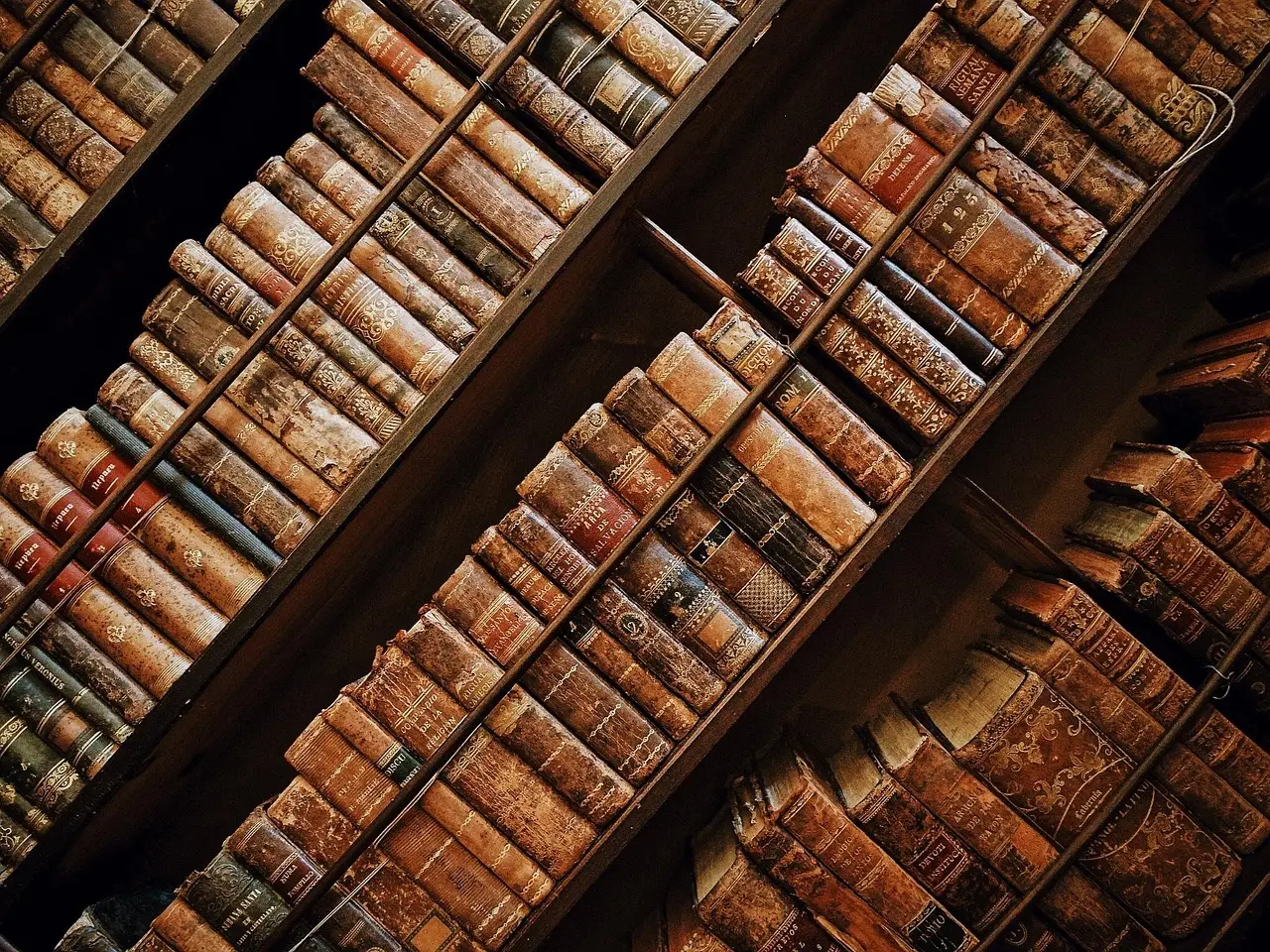
Brazil's Fundação Biblioteca Nacional released 108 codices from Angola's National Archive and 1,600 documents from the Instituto Histórico eográfico Brasileiro on Thursday, June 26, through the Projeto Resgate Barão do Rio Branco website. The digitized material documents relations between Brazil, Africa, Asia and Oceania.
The launch takes place at 10h in the Auditório Machado de Assis at the FBN's headquarters in downtown Rio de Janeiro. According to the institution, the new holdings make the foundation one of Brazil's largest repositories of digitized documents on Africa. Images from the Arquivo Nacional de Angola (ANA) underwent technical treatment to improve legibility.
What changes for historians?
Luciano Figueiredo, the historian who coordinates the project, said the release represents an inflexion point in the history of the Resgate initiative because it allows remote access to documents produced in Angola. Researchers previously had to travel to Luanda, Angola's capital, to consult the material.
The Angolan collection includes laws of the colonial administration connected to the supply of goods and people for the slave trade, along with regulations on kingdoms that served as points of capture for enslaved Africans.
The IHGB records bring correspondence and detailed reports on populations, beliefs, agricultural activity and commercial relations in territories under Portuguese rule. The documentation lets scholars trace connections across the Atlantic, Indian and Pacific oceans. It includes records from 1823 and 1824 concerning Brazil's Independence and Portugal's alarm at the prospect of losing Angola to the newly independent country.
A tool for the classroom
Figueiredo said the digital availability supports the application of Brazil's Law 10.639 of 2003, which mandates the teaching of Afro-Brazilian culture in schools, by addressing the shortage of teaching material for educators.
What does this change for teachers? Primary sources on the slave trade and on Angolan history can now be used directly in lessons, without archives requests or overseas travel.
The initiative forms part of the Projeto Acervo Digital Angola-Brasil (PADAB) and follows a Memorandum of Understanding signed in March 2026. In July of that year, Brazil's Minister of Culture, Margareth Menezes, and Angola's Minister of Culture, Filipe Silvino de Pina Zau, signed the Action Plan for Brazil–Angola Cultural Cooperation 2026–2028.
What comes next
The Biblioteca Nacional plans an international symposium on the Projeto Resgate in early December. Figueiredo said the platform gathers digital copies of all documentation on the colonization of Brazil that exists outside the country — a claim that positions the library, and the Angola release in particular, as the reference point for scholars of the Lusophone world.
Source: brasilemfolhas.com
More from Marcus Bennett
Show full bio
Staff writer covering people, launches and day-to-day practice in arts in the broadest sense at Arts & Voices.
1,764 articles