London Museum's £437m Opening Sparks a Philanthropy Fight
The £437m new London Museum drew raves from one Guardian critic and a pan from another. Readers' letters now ask: who paid, and does London really rival Rome?
Programme
- The new London Museum cost £437m and opened to reviews on 24 November.
- Oxford professor Beth Breeze said omitting private donors wrongly implies civic amenities are fully taxpayer-funded.
- The museum's supporter list includes charitable foundations, wealthy individuals and National Lottery giving.
- Critic Jonathan Jones claimed no capital has dominated its nation since ancient Rome; Rendel Harris cited Paris, Vienna and Moscow as counterexamples.
- The City of London Corporation tried to prevent the project, according to Wainwright's review.
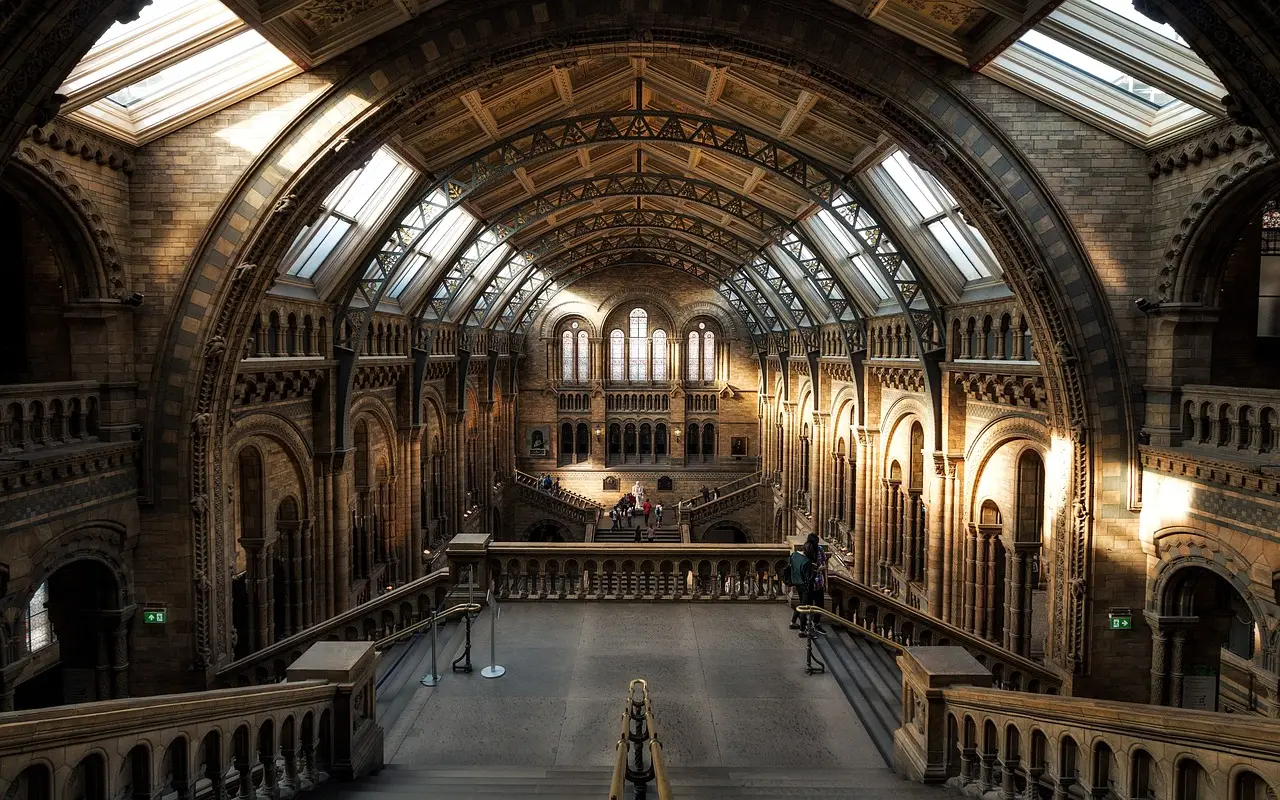
The £437 million new London Museum opened to rave reviews on 24 November, and within days the Guardian's letters page turned into a dispute over who paid for it and what the museum says about the capital.
The trigger was Oliver Wainwright's review, which called the museum "an astonishing sight" and described the project as "magisterial". Wainwright also took "well-aimed barbs at the City of London Corporation", which had tried to prevent the transformation, according to the letters responding to his piece.
Beth Breeze, professor of philanthropy at Saïd Business School, University of Oxford, wrote in to make one pointed complaint: the review never mentioned who provided the funding.
Who actually paid for the museum?
Breeze argued that omitting private donors "risks reinforcing the widespread view that fantastic civic amenities just happen by magic, or are totally funded by taxpayers". Her letter is a request for credit where she thinks credit is due.
She encouraged readers to consult the museum's published list of philanthropic supporters at www.londonmuseum.org.uk/support-us/our-supporters. That list, she wrote, includes "historic charitable foundations, newly wealthy people, and our collective giving through the National Lottery" — the UK's state-franchised lottery, which distributes a share of ticket revenue to heritage and arts causes.
What does this change for visitors? Nothing about the building itself. But it reframes the story: a £437m civic project is a patchwork of public money, old foundations, new wealth and lottery players, not a single act of municipal will.
Did London really out-dominate ancient Rome?
A second letter took aim at Jonathan Jones, whose review of the same opening ran under the headline "The reborn Museum of London is all piazza, no punch". Jones wrote: "For not since ancient Rome has a capital dominated its nation's history and culture like London."
Rendel Harris of London pushed back in two sentences: "Paris, Vienna and Moscow, among others, would like a word."
It's a compact argument about historical perspective. Paris, Vienna and Moscow have each, at various points, concentrated a nation's political and cultural life in one capital — France under the Ancien Régime and after, the Habsburg empire's administrative seat, and imperial and Soviet Moscow respectively. Jones's claim, on this reading, reads as rhetorical flourish rather than assessment.
Two critics, one museum, two verdicts
A third letter, from Tom Uprichard of London, sharpened the split between the two reviews with a single question: "Did Oliver Wainwright go to the same London Museum as Jonathan Jones for their reviews?"
Wainwright found an "astonishing sight". Jones found "all piazza, no punch" — his shorthand for a building strong on public space but weak on display. Same venue, same date, opposite conclusions. The letters page is where that disagreement now lives.
The dispute also circles back to the museum's founding politics. Wainwright's review targeted the City of London Corporation, the municipal body governing the capital's financial district, for having tried to block the project. Breeze's letter, in turn, faults the review for overlooking the donors who made the £437m building possible — including lottery-funded giving she calls "our collective" contribution.
Expect the donor-list question to follow the museum into its first full year. When a project this expensive opens with two star critics this far apart, the argument about what it is — and who built it — tends to outlast the opening week.
Source: theguardian.com
More from Grace Kim
Show full bio
Correspondent covering technology and product news in arts in the broadest sense at Arts & Voices.
1,804 articles