Brazilian Developers Turn to Generative AI to Sell Off-Plan Homes
Brazilian developers sold 426,200 homes in 2025 and now use generative AI videos to market off-plan units, as consumer law makes accuracy between film and contract critical.
Programme
- Brazil launched 453,005 residential units in 2025, up 10.6% in 12 months (CBIC).
- Sales reached 426,200 units, up 5.4% in the same period.
- 71% of Brazilian internet users watch online audiovisual content; 32% already use generative AI (Cetic.br TIC Domicílios 2025).
- Brazil's Consumer Defence Code makes offer information binding and part of the contract.
By Marcus Bennett
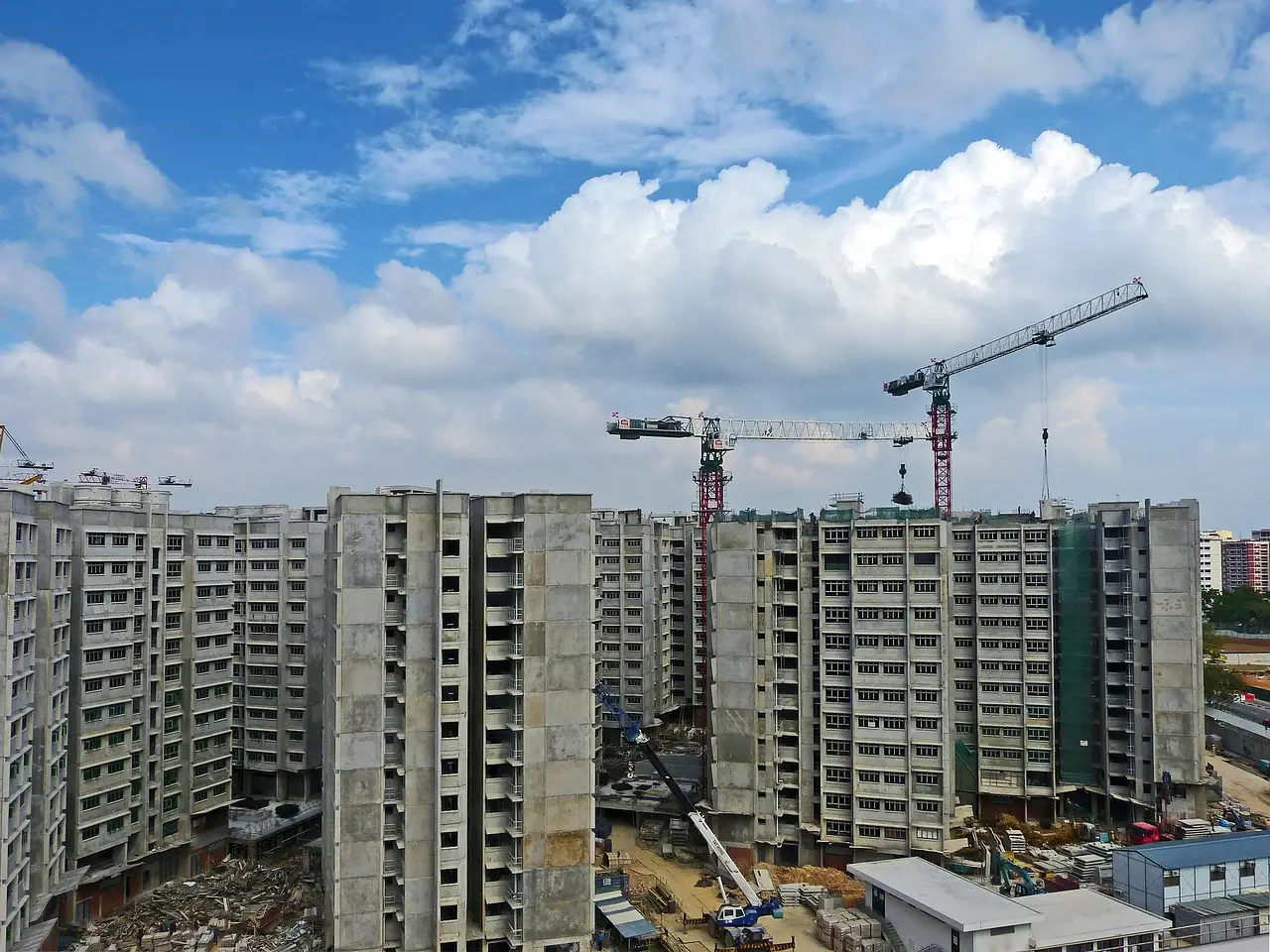
Brazilian construction firms launched 453,005 residential units in 2025, a 10.6% rise over twelve months, and many now sell them with videos made by generative AI. Developers and property companies are replacing static renders with AI-generated films that simulate daily life in unbuilt apartments and leisure areas, populating them with human figures to attract buyers in a crowded market.
The figures come from the Câmara Brasileira da Indústria da Construção (CBIC). Sales in the same period reached 426,200 units, up 5.4%. High supply of new projects is pushing developers to compete for attention with richer visual material.
Why video, and why now?
The shift tracks the consolidation of video in digital consumption. The TIC Domicílios 2025 survey, by Centro Regional de Estudos para o Desenvolvimento da Sociedade da Informação (Cetic.br), found that 71% of internet users in Brazil watched audiovisual content online. The same study reports that 32% of that public already uses generative AI tools.
The audience is there. The technology now meets it.
Guilherme Zimerman, founder of Balzani, a hub of solutions for the real estate market, said the technology has enabled professional-grade transitions and humanised scenes. AI makes it possible to insert real people, including members of the developer's own staff, so that "the buyer feels they are in the environment and connects emotionally with the project," according to Zimerman.
What are the risks?
Ease of image generation carries technical dangers. Generative models can invent elements that do not exist, a phenomenon known as hallucination. Zimerman warned that, used incorrectly, the tool can create spaces absent from the original project, requiring the developer to follow the architectural standards rigorously.
The question moves beyond aesthetics into law. Brazil's Consumer Defence Code (CDC) establishes that precise information in offers binds the supplier and forms part of the contract. That makes the match between the promotional video and the property's descriptive memorial (memorial descritivo) a critical point of legal compliance.
A film that shows a balcony the plans do not include is not a marketing flourish. It is a contractual commitment.
What does this change for developers?
Zimerman projects that AI will act across every stage of production, from reading the architectural plan to the final product, with fewer manual interventions. For the executive, precision in representing projects will be the differentiator for companies that do not want to fall behind in the market.
The pattern is now fixed: launches up 10.6%, sales up 5.4%, and a majority of online Brazilians watching video while a third already use generative tools. Developers that master accurate AI representation — and can prove the film matches the memorial descritivo — will hold the advantage as the technology spreads through every stage of production.
Source: brasilemfolhas.com
More from Marcus Bennett
Show full bio
Staff writer covering people, launches and day-to-day practice in arts in the broadest sense at Arts & Voices.
1,236 articles