British Museum to Add Bayeux Tapestry Audio Tours After Lawsuit
The British Museum will offer audio tours of its Bayeux Tapestry exhibition after blind visitor Yusuf Ali Osman sued under the Equality Act 2010, the BBC reports.
Programme
- The British Museum will provide audio tour options for its Bayeux Tapestry exhibition after a lawsuit filed last week.
- Yusuf Ali Osman, a blind resident of Croydon, alleged violation of the Equality Act 2010.
- The museum had cited restricted gallery capacity and light-damage risk to the millennium-old work.
- Osman seeks damages, a discrimination declaration, policy amendments, and staff disability awareness training.
The British Museum will provide audio tour options for its Bayeux Tapestry exhibition after a blind visitor from Croydon pursued legal action against the institution last week, the BBC reports.
Yusuf Ali Osman, who has no sight, accused the museum of violating the Equality Act 2010 by not offering audio tours of the exhibition, according to a statement from his legal representatives shared with Hyperallergic. The Equality Act serves as the central anti-discrimination law in Great Britain, protecting individuals against ableism, ageism, and racism in the workplace and other environments.
Why did the museum refuse audio tours?
The museum had allegedly told Osman that the exhibition prioritized self-guided visits over programmed tours because of restricted visitor capacity. To avoid light exposure damage to the millennium-old work, the museum must limit the number of people allowed inside the gallery, according to the museum's explanation as reported.
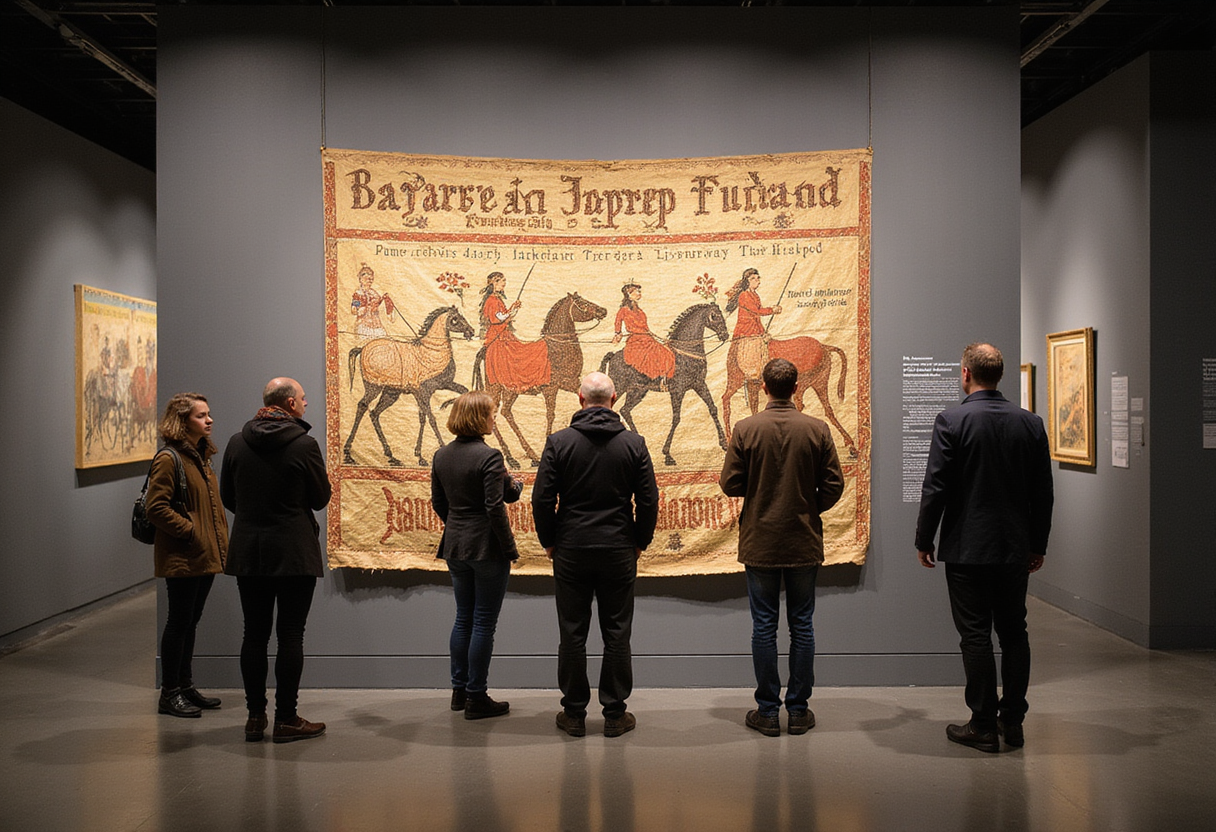
The Bayeux Tapestry, an embroidery dating back roughly a thousand years, is on display in a specially controlled environment. Light exposure poses a documented risk to fragile textiles, which has shaped the museum's visitor policy for the show. Osman's case argues that the policy effectively locked out blind and visually impaired visitors who cannot rely on self-guided viewing.
What does Osman want?
"I want to be able to visit the Bayeux Tapestry and experience it for myself," Osman said in a statement shared with Hyperallergic.
His legal claim goes beyond audio tours. Osman seeks:
- damages from the museum;
- a declaration acknowledging that the museum discriminated against him;
- an order requiring policy amendments;
- disability awareness training for museum staff.
What changes now?
The British Museum has committed to providing audio tour options for the Bayeux Tapestry exhibition, according to the BBC. The move comes after Osman filed his claim under the Equality Act 2010, the UK's principal statute protecting disabled people from discrimination in services and public spaces.
The case highlights a broader accountability question facing major institutions staging blockbuster exhibitions of light-sensitive works: how to balance conservation requirements with equal access obligations under British law. If Osman secures the declaration and staff training order he seeks, the outcome could shape accessibility standards well beyond a single exhibition at the Bloomsbury institution.
Original: bbc.com
More from Tom Whitfield
Show full bio
Market editor covering industry trends and analytics at Arts & Voices.
367 articles