Bronze Sutro Statue Unveiled at Nevada Tunnel That Made His Fortune
A 9-foot bronze statue of Adolph Sutro was unveiled Oct. 19 at the Nevada tunnel entrance where he broke ground in 1869 — the project that funded his rise to San Francisco mayor.
Programme
- A 9-foot bronze statue of Adolph Sutro was unveiled at the Sutro Tunnel in Dayton, Nevada, on Oct. 19, marking 157 years since digging began in 1869.
- Sutro sold his tunnel company shares for roughly $900,000 after the tunnel's 1879 completion.
- Israeli sculptor Sam Philippe made the statue in Jerusalem; it cost more than $50,000 and was commissioned by the Jewish American Society of Historic Preservation.
- Sutro served as San Francisco's second Jewish mayor, taking office in January 1895.
- The 1897 John Harris lawsuit over racial exclusion at Sutro Baths successfully tested California's Dibble Civil Rights Act.
A 9-foot bronze statue of Adolph Sutro now stands at the entrance to the Sutro Tunnel in Dayton, Nevada, unveiled on Oct. 19 — 157 years to the day after the German Jewish immigrant swung the first pickaxe on the project.
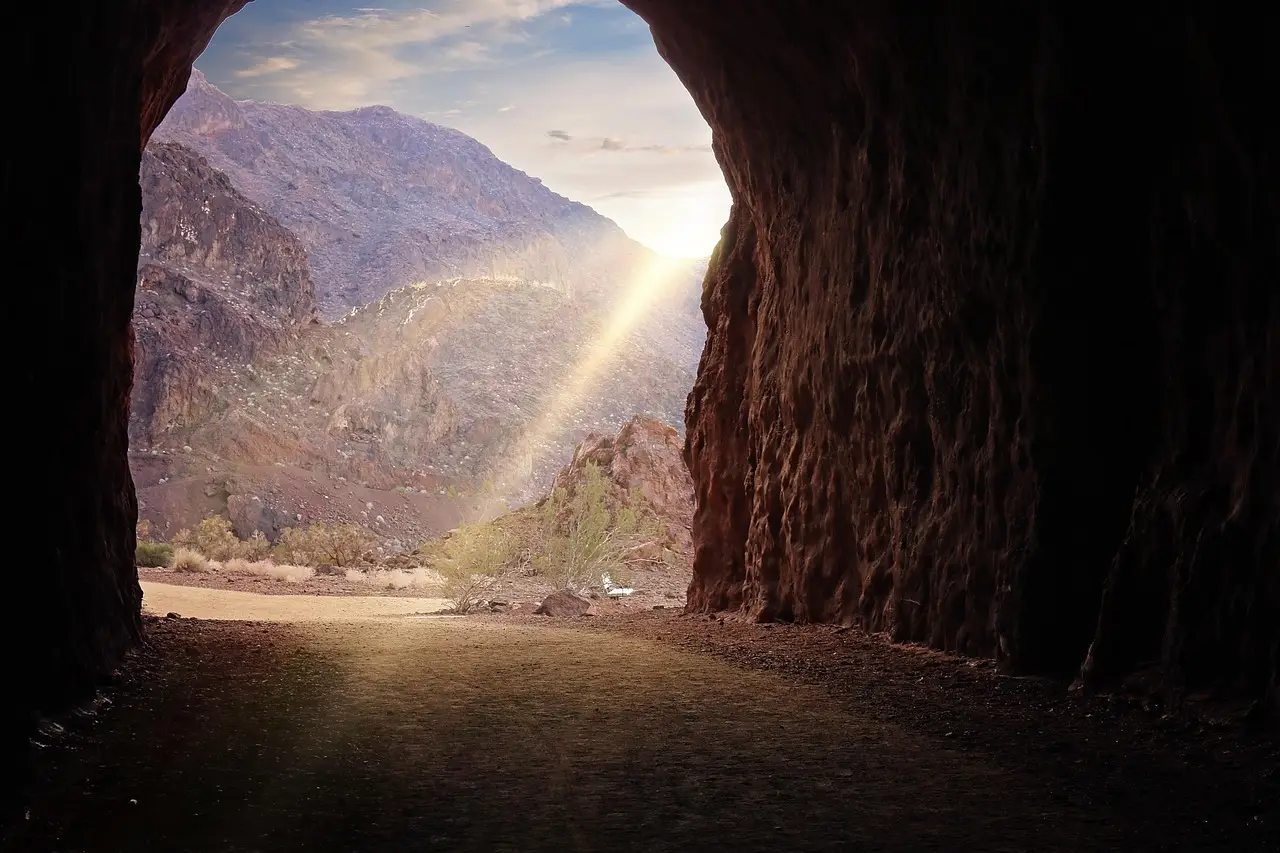
The tunnel ran nearly four miles and drained the flooded silver mines of the Comstock Lode. It made Sutro rich, and it eventually carried him to San Francisco City Hall. The new monument returns his story to the place where it started.
What does the tunnel have to do with San Francisco?
Plenty. San Franciscans know Sutro's name from landmarks across the city — he was its second Jewish mayor, though people often mistake him for the first. But he made his fortune hundreds of miles northeast, in Nevada's Virginia mountain range.
Sutro arrived in San Francisco around 1850 from Aachen, Prussia, and worked as a merchant, trading clothing and furniture in Stockton and selling tobacco and dry goods in the city. When news of a silver rush broke, he moved toward opportunity. The Comstock Lode, discovered in 1859, was the first major silver deposit in the United States, according to the U.S. Bureau of Land Management. But the silver lay deep beneath Mount Davidson, and water kept flooding the shafts as miners dug deeper.
Sutro's answer was a drainage tunnel. He won federal approval in 1866, but the project needed money. The turning point came when a fire in the Yellow Jacket Mine killed more than 30 miners; after the disaster, the miners' union pledged him $50,000 to start work. The tunnel was finished in 1879, and Sutro soon sold his shares in the tunnel company for roughly $900,000 — biographers Robert and Mary Stewart calculate the sale at $908,987.50.
How did a tunnel builder become mayor?
Sutro came home rich and bought real estate — eventually about one-twelfth of San Francisco's land. Then came the civic gifts: the Cliff House, Sutro Baths, Sutro Forest and a 250,000-volume library holding original published collections of Shakespeare's plays and Hebraica dating to the late Middle Ages.
Backed by the Populists, a farmer-labor movement, Sutro ran for mayor in 1894 on a promise to break the Southern Pacific Railroad's grip on California. He took office in January 1895.
His legacy carries complications. On July 4, 1897, a Black man named John Harris was twice refused entry to Sutro Baths because of his race. Harris sued and won, testing the state's new Dibble Civil Rights Act, which guaranteed "full and equal" access to public accommodations for citizens of "every color or race whatsoever." The case went unmentioned in the J. archive until 2015, and it resurfaced in 2021 when the San Francisco Unified School District voted to rename 44 schools, including Sutro Elementary — a decision it later rescinded.
Who made the statue, and what does it cost?
Israeli sculptor Sam Philippe created the work in Jerusalem, a nod to Sutro's Jewish ancestry. The Jewish American Society of Historic Preservation, a nonprofit that funds historical markers worldwide, commissioned it; construction and shipping cost more than $50,000.
For Harmony Heywood, tourism director at the Sutro Tunnel historic site, the statue marks a homecoming. "His name is everywhere" now, she said, "but it started with the tunnel. We're first!"
She read the monument's meaning plainly: Sutro's story is "kind of the story of America itself. A completely self-made man back in the time when a lot of people were coming over to America and trying to do that same thing."
The statue joins a quieter record of remembrance. San Francisco added a bronze bust of Sutro at City Hall in 2013, and the surviving Hebraica collection — most of the library burned in 1906 — now sits at San Francisco State University, where professor Chanan Tigay found a key clue there for his 2016 book on antiquities dealer Moses Shapira.
Source: jweekly.com
More from Grace Kim
Show full bio
Correspondent covering technology and product news in arts in the broadest sense at Arts & Voices.
1,162 articles