'Burn, Scar' Documentary Screens at Silver City's Silco Theatre Sunday
Hillary C. Bachelder's "Burn, Scar" screens at 6 p.m. Sunday at the Silco Theatre, tracing the state's largest wildfire and the trust it broke. Tickets are $8.

Programme
- "Burn, Scar" screens at 6 p.m. Sunday at the Silco Theatre in Silver City; tickets are $8 and the film runs about 90 minutes.
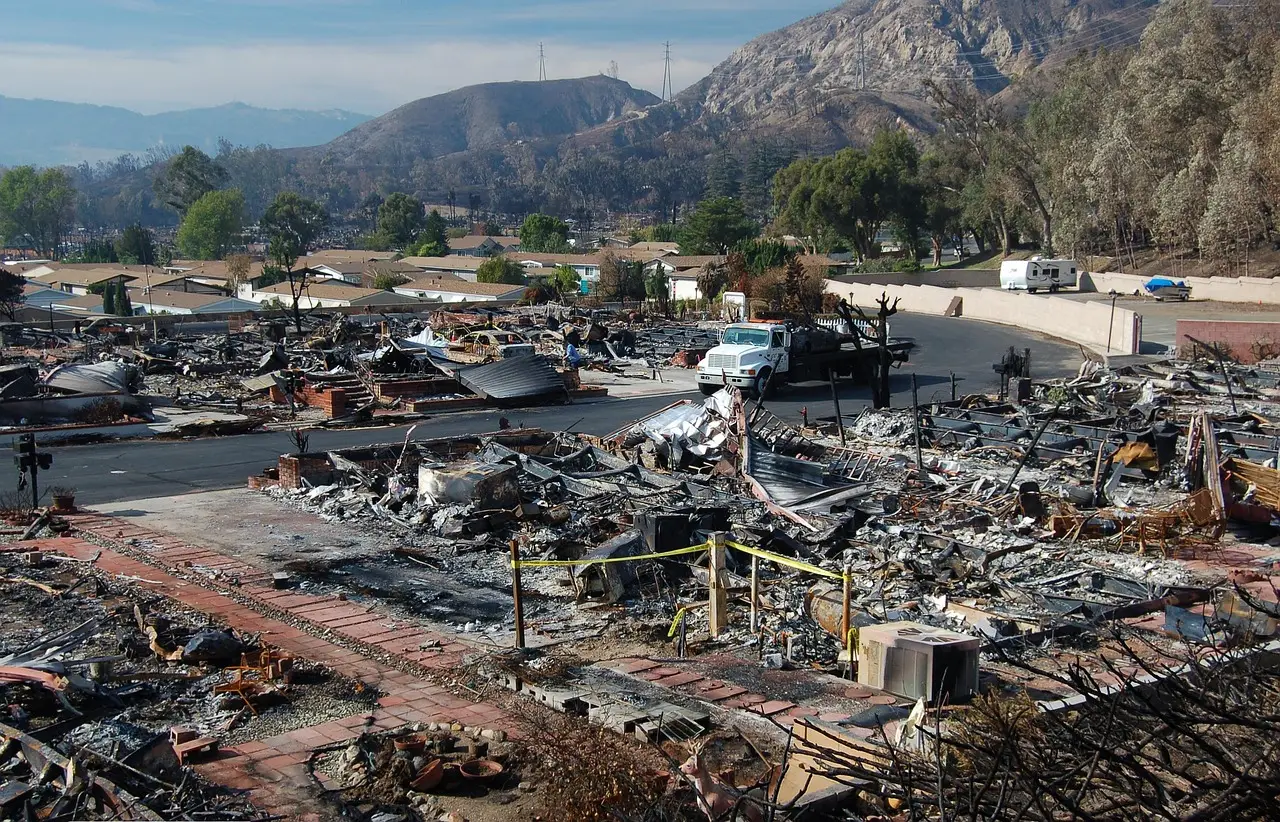
- The Calf Canyon/Hermits Peak Fire began April 6, 2022, from an escaped prescribed fire and became the largest in New Mexico history.
- The Black Fire burned 327,263 acres in the Gila National Forest, the state's second-largest fire.
- "Burn, Scar" won Best New Mexico Feature at the Santa Fe International Film Festival.
- Roughly 40 to 50 northern New Mexico residents traveled to the film's Telluride premiere in May.
Director Hillary C. Bachelder's documentary "Burn, Scar" screens at 6 p.m. Sunday at the Silco Theatre in Silver City, New Mexico. The roughly 90-minute film examines the Calf Canyon/Hermits Peak Fire, the largest wildfire in state history, and tickets cost $8 through the Silco website, thesilcotheater.com. A post-screening discussion with Bachelder follows.
More than four years after New Mexico's record-breaking fire season burned over a half million acres, the film argues the repercussions run deeper than the physical scars. Bachelder told the Daily Press the story should resonate far beyond northern New Mexico.
That includes the southwest corner of the state. While Calf Canyon/Hermits Peak burned, the Black Fire raged through the Aldo Leopold Wilderness in the Gila National Forest, becoming the state's second-largest fire at 327,263 acres.
"These questions of fire and forest management and land management, we do expect that to resonate, and we want to know what the sort of local flavor is in how we can present the story in a way that feels like a helpful framework for local folks," Bachelder said in a phone interview.
What does the film actually cover?
The fire itself began with federal error. Winds blew a prescribed fire (an intentional burn meant to reduce wildfire risk) out of its boundary in the Santa Fe National Forest on April 6, 2022, igniting the Hermits Peak Fire. Days later, the Calf Canyon fire started several miles west, also from a prescribed fire.
The Hermits Peak Fire was 91 percent contained by April 22, but dry, windy red-flag conditions let both fires grow and merge. Full containment took four months.
Bachelder had moved to Taos from Chicago less than a year before the ignition. An experienced documentary filmmaker, she knew almost immediately the fire was her subject — though, having grown up in Maine, prescribed burns were new to her.
"I had been taking a class in Santa Fe, and gone on this field trip with a guy from the Forest Service who was talking about prescribed fire," she said. That trip fell in the same week the two fires ignited.
For the first couple of months the fire wasn't accessible. Once her crew could film, she said, it became clear the story exceeded natural disaster.
"We became aware of the context around New Mexico's history, the land grants and how some of these communities had felt about the Forest Service for many decades preceding this event," Bachelder said. "So that always felt foundational in how we were telling the story — how are we talking about trust between the two sides, and what does recovery and healing and justice look like?"
How do you film people on the worst day of their lives?
Building trust was the hard part. Bachelder described herself as "this outsider showing up on the worst day of their life with a camera" in impacted communities such as Mora County, requiring months of off-camera relationship-building before residents felt comfortable.
The Forest Service posed its own challenge. "They had just made this huge mistake, and so convincing them that I wasn't there to demonize but actively try and understand the work they were doing had to go through a lot of levels of approval through the federal government to make that happen," she said.
The film also raises collaborative land management, pairing creative approaches with traditional federal agencies. "There are several programs in northern New Mexico right now, but we'd love to hear how people feel about that around Silver City and if there's opportunities for creative collaboration there," Bachelder said.
Where has it screened so far?
Reception has been strong, especially from residents who appear in the film. The premiere at the Telluride, Colorado, festival in May drew "like 40 or 50 folks from northern New Mexico who just wanted to drive out and be with us and see the film," she said.
The film was selected for the Kansas City Film Fest and the Santa Fe International Film Festival, where it won Best New Mexico Feature.
"We want it to be an invitation into dialogue for people around this issue, and it feels like people are tentatively open to that," Bachelder said. "We've had a lot of really emotional responses after our screenings, but where we go from here, we're still figuring that out."
Further screenings are lining up across the state, including Los Alamos and Santa Fe, with possible stops in Albuquerque, Grants and Ruidoso. Sunday's Silco audience will help decide what those conversations become.
Source: scsun-news.com
More from Daniel Okafor
Show full bio
News editor covering companies, deals and strategy in arts in the broadest sense at Arts & Voices.
1,376 articles