Butterflies return as Gen Z’s emblem of defiance and anxiety
Gucci’s 2026 campaign links Mariah Carey’s 1997 album to butterfly styling by Janelle Monáe, Tate McRae and Zara Larsson amid Gen Z defiance and anxiety.
Programme
- Gucci’s new campaign features Mariah Carey and marks a goodbye to 2026.
- Carey’s album *Butterfly* dates to 1997.
- The Guardian names four pop performers who embraced the butterfly emblem.
- Janelle Monáe wore wide, yonic Robert Wun wings at an Academy Museum gala in October.
- Tate McRae paired a black sequined butterfly bra with a matching wing belt from Ludovic de Saint Sernin.
By Elena Vasquez
The Guardian reports a new Gucci campaign with Mariah Carey blowing a goodbye kiss to 2026 in an azure dress and fake fur coat.
What does the butterfly mean now?
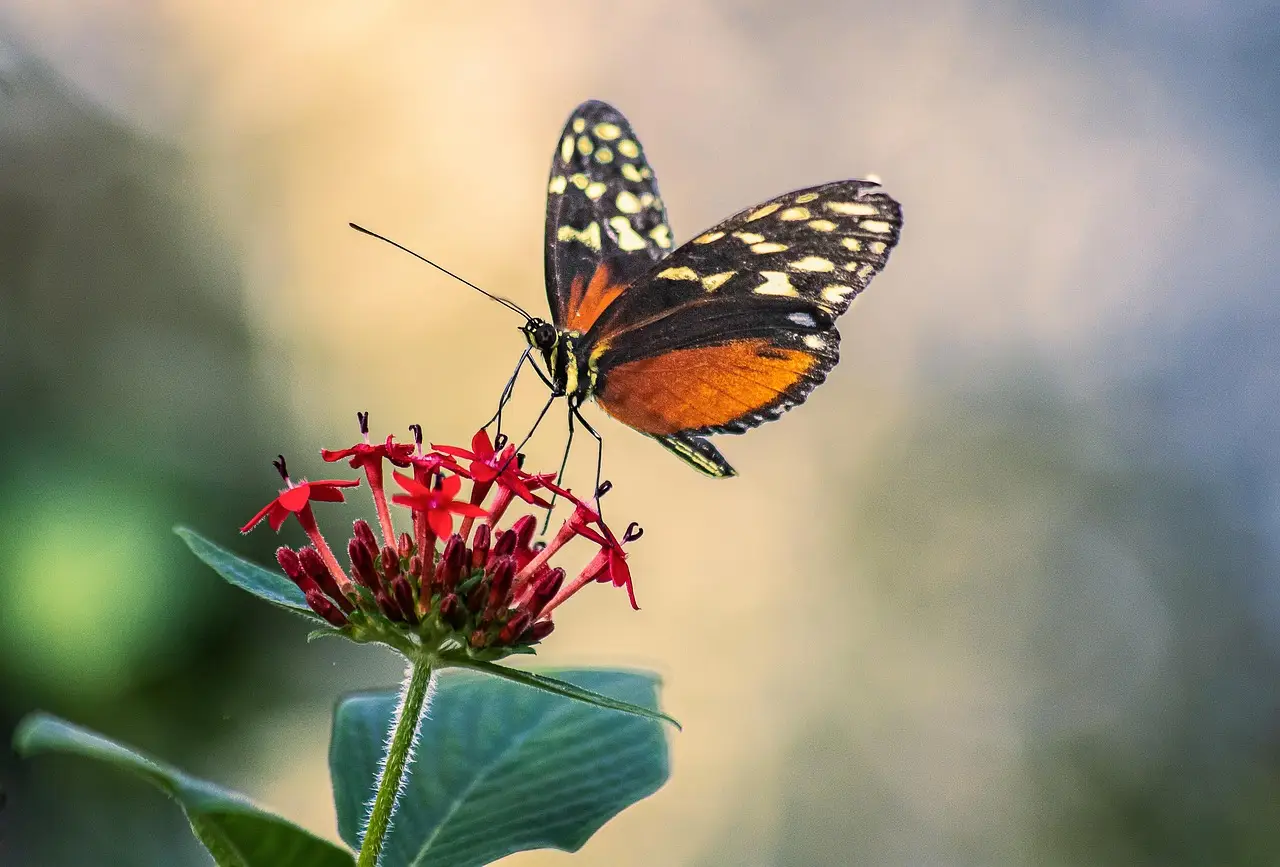
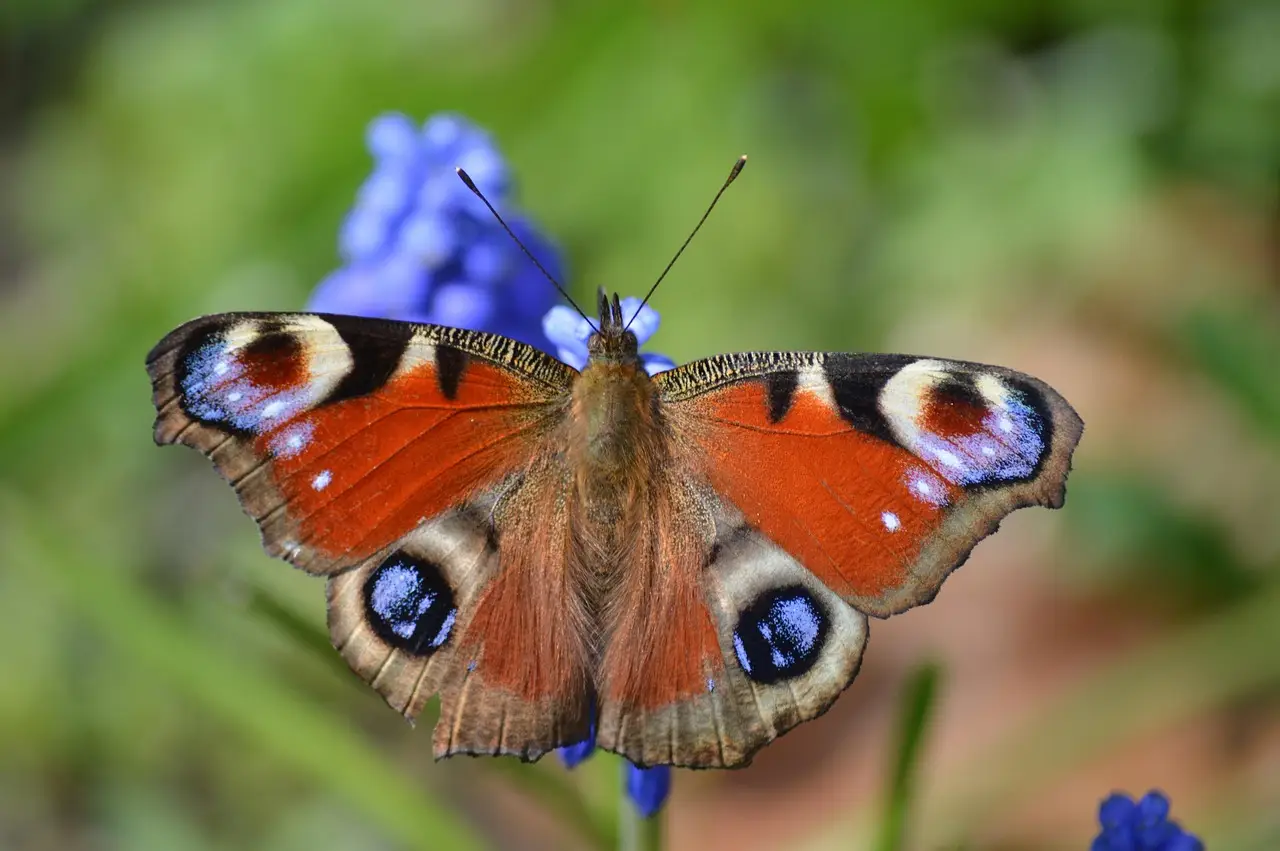
The Guardian calls the delicate insect fashion’s favourite motif again. Its associations run from sexuality in the 1990s to the soul in Greco-Roman times. The present version signals Gen Z defiance and girlhood.
The report also places resilience beside anxiety in its account of this revival. The butterfly therefore carries two meanings at once: resilience and anxiety. Its return is not presented as a simple return to an older symbol.
Carey supplies the clearest historical anchor. Her 1997 album Butterfly fixed the insect to her pop image, and The Guardian says the association has continued since. Gucci extends that link through butterflies on presents wrapped with Gucci string.
Carey enters the Christmas party to All I Want For Christmas Is You. The Guardian describes the scene as the most “Mariahhhh” possible, using the elongated word to mark her entrance and the party’s heightened pop tone.
Across these settings, the butterfly retains its identity while changing function, moving from historical reference to personal signature and finally to the defining shape of a wider fashion trend. In plain terms, Gucci builds its 2026 campaign on a 29-year Carey association.
Which artists have carried the butterfly into fashion?
The Guardian calls Carey the “fairy godmother” to the “pop girlies” who have recently embraced the emblem. It names four performers:
- PinkPantheress
- Dua Lipa
- Rachel Chinouriri
- Marina and the Diamonds
Carey’s presence gives the revival historical continuity, while the other examples show how one emblem can travel through pop performance, couture, lingerie and beauty without losing its recognisable wings. The four named artists establish the motif’s reach; three further examples show how it works in dress and makeup.
The report also identifies three styling examples:
- At the Academy Museum gala in October, Janelle Monáe wore a Robert Wun couture gown with wide, yonic wings.
- Tate McRae recently wore a black sequined butterfly bra and matching butterfly wing belt from Ludovic de Saint Sernin, described by The Guardian as a lingerie wunderkind.
- Swedish popstar Zara Larsson and her fans champion glittery butterfly makeup motifs.
The applications differ in scale. Monáe’s wings alter the body’s outline, McRae’s bra and belt repeat it across the torso and waist, and Larsson’s makeup renders it in glitter. In plain terms, one butterfly shape now spans a pop star’s holiday campaign, couture, lingerie and makeup.
Why does the butterfly carry anxiety?
The Guardian frames the current revival as both resilient and uneasy. That pairing complicates any reading of the motif as a straightforward celebration of fashion.
The report does not assign the insect one fixed meaning. It moves from sexuality in the 1990s, through the soul in Greco-Roman times, to defiance, girlhood and anxiety among Gen Z. The same shape therefore supports celebration and unease in the same cultural moment.
Yet the shared butterfly shape does not erase those differences: Carey anchors a holiday campaign, Monáe turns couture wings into spectacle, McRae emphasises silhouette, and Larsson translates the motif into makeup. Fashion can hold both assertiveness and vulnerability because the source presents them together, rather than choosing one.
In plain terms, the butterfly’s meaning depends on its setting. For designers, the test ahead is whether they can preserve defiance and girlhood without reducing the motif’s anxiety to decoration.
Source: theguardian.com
More from Elena Vasquez
Show full bio
Senior reporter covering technology and product news in arts in the broadest sense at Arts & Voices.
1,617 articles