Carmen Without Fire: A Flat Premiere in Zagreb
Beczała and Qerkezi triumphed at the Zagreb Opera Festival gala; the season's first premiere, Bizet's "Carmen" staged by Pier Francesco Maestrini, opened flat on October 23.
Programme
- Bizet's Carmen premiered at HNK Zagreb on October 23, conducted by Pier Giorgio Morandi.
- The opera gala on September 20 featured Piotr Beczała and Marigona Qerkezi, each singing five arias.
- The 2026–27 season opened with the fourth Zagreb Opera Festival, including Aida, L'Italiana in Algeri and Lakmé.
- Director Pier Francesco Maestrini relocated the opera to mid-20th-century Spain with video projections.
- Despite critical reservations, the production proved a crowd-pleaser.
By Daniel Okafor
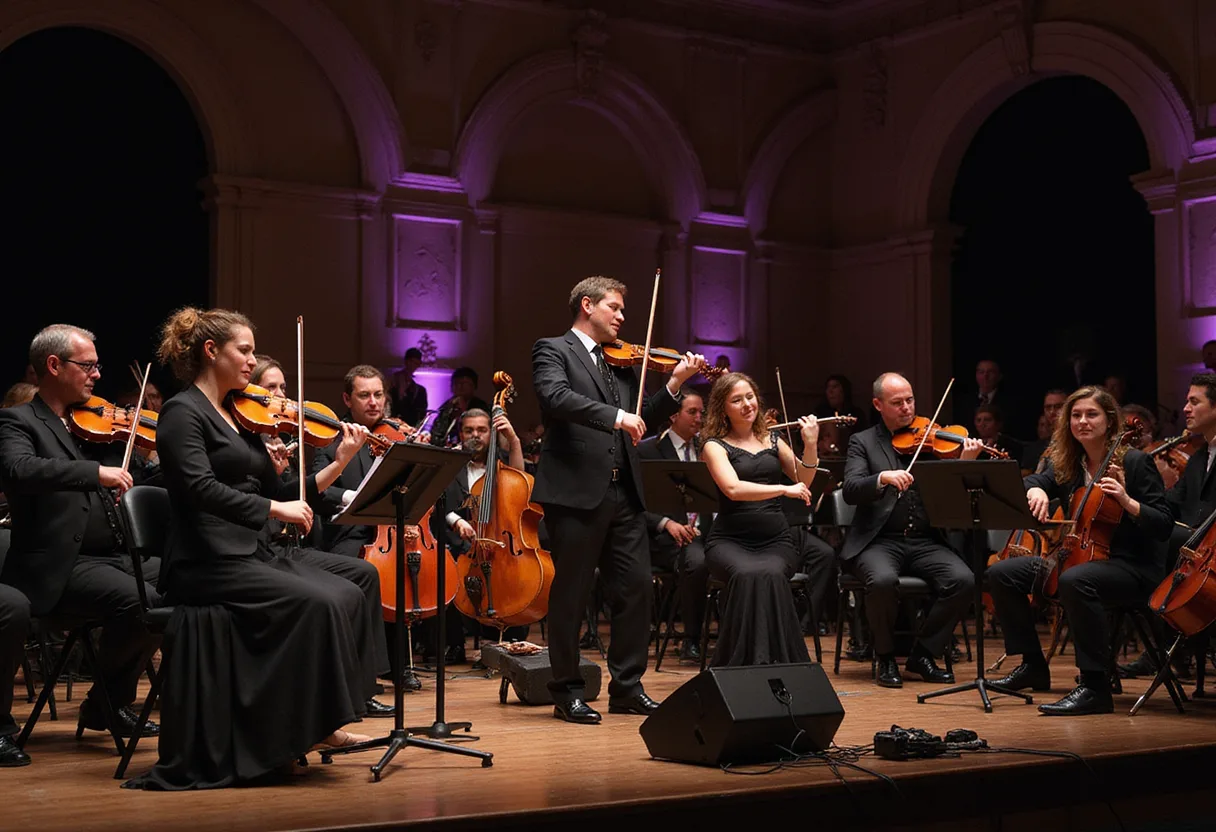
Piotr Beczała and Marigona Qerkezi delivered five arias apiece at the Zagreb Opera's gala on September 20. A month later, on October 23, the Croatian National Theatre in Zagreb opened its season with Bizet's "Carmen" — and the temperature dropped.
The new operatic season began in September with the fourth edition of the Zagreb Opera Festival. The program paired the ensemble's own "Aida" with visiting performances of "L'Italiana in Algeri" from the Polish Royal Opera and "Lakmé" from the Maribor Opera, plus the gala. The festival's scale is modest next to Europe's major opera festivals, but it matters locally as an extension of the Zagreb Opera's regular repertoire.
What worked at the gala?
Plenty. Beczała, the tenor, sounded fresher than he did four years ago at a similar Zagreb gala, according to the review. Qerkezi's soprano offered luscious tone and admirable technical command. They were joined by three Zagreb ensemble soloists: mezzo Sofija Petrović, baritone Ljubomir Puškarić and bass Luciano Batinić.
The pair united for the Aida trio and duets from "Tosca" and "Andrea Chénier," closing with "O soave fanciulla" from "La Bohème" — capped by an exquisite high C from both singers.
What went wrong with Carmen?
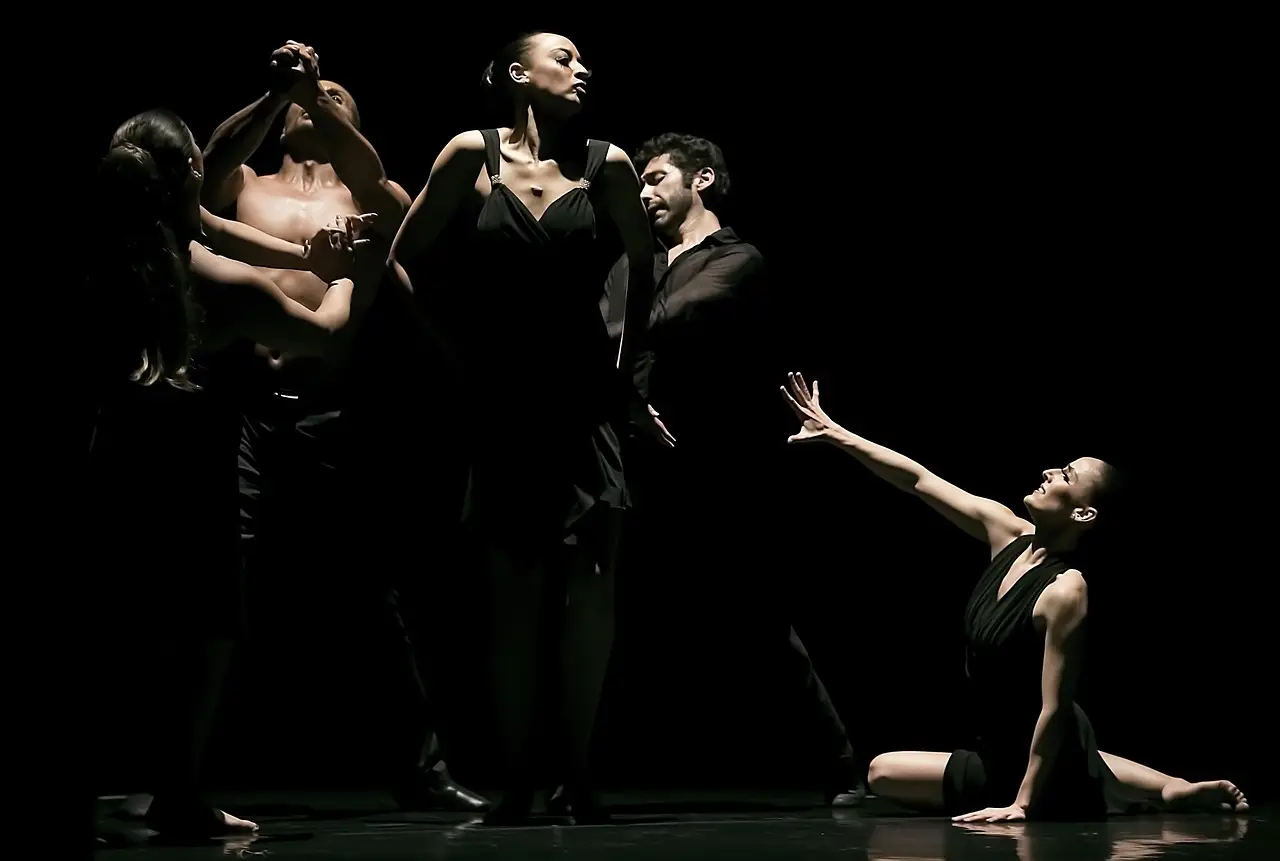
Almost everything, the review finds. Director Pier Francesco Maestrini said he wanted to free the characters, especially Carmen, of attached stereotypes. The result on opening night: a Habanera stripped of eroticism and a seguidilla sung coldly, leaving a tamed, unspirited Carmen for most of the first two acts.
Maestrini satisfied traditionalists only on the surface. Set designer Juan Guillermo Nova and costume designer Cristina Aceti evoked mid-20th-century Spain, but Act one stayed undramatic — even during the tobacco factory uproar. Davor Nekjak's charismatic, vocally nuanced Moralès set the right temperature at the top; little else sustained it. Don José's arrival on a motorcycle came off clumsy, and Matilde Rubio's tavern choreography in Act two lacked precision.
Video projections substituted for elaborate scenery. The rocky outcrop in Act three looked convincing, if more Scottish than Spanish; the Act four bullring looked cheap. The political implications of the mid-century Spanish setting went unexplored beyond costume allusion.
The director then undercut the ending twice. Don José beat Carmen to death with a brick instead of stabbing her — provoking laughs — and killed Zuniga with Carmen's pistol at the end of Act two. The changes flattened Don José into a boringly one-dimensional figure without elevating Carmen.
How did the pit sound?
Lukewarm. Pier Giorgio Morandi, the Zagreb Opera's chief conductor, has led "Carmen" at the Metropolitan Opera and the Vienna State Opera and specializes in the Italian repertoire, so the under-rehearsed prelude surprised. There were imprecisions in orchestra and chorus, plus coordination problems between stage and pit. He chose the posthumous recitative version, not the original opéra comique (with spoken dialogue).
Morandi built a dramatic arch over the Micaëla–Don José duet and drew fine playing in the interlude before Act three, where the first flute and first clarinet stood out. The children's chorus sang at a high level.
Who delivered in the cast?
Petrović's Carmen convinced vocally in the castanet song and the Card Trio, and the traditional red dress of Act four finally inspired a passionate interpretation. Giorgio Berrugi's Flower Song and Darija Auguštan's Micaëla aria — with well-projected high notes in "Parle-moi de ma mère" — supplied the evening's best solo singing. Leon Košavić phrased delicately in "Si tu m'aimes, Carmen" but lacked brilliance in the Toreador Song. Josip Galić's Dancaïre and Josipa Bilić's Frasquita anchored the Act two quintet; Iva Krušić, Lovre Gujinović and Lobel Barun completed the cast.
Despite the passion deficit, audiences still prefer a traditional reading — and this semi-conservative production proved a crowd-pleaser.
Original: operabase.com
More from Daniel Okafor
Show full bio
News editor covering companies, deals and strategy in arts in the broadest sense at Arts & Voices.
1,510 articles