Chance the Rapper Rebuilds 'Coloring Book' for the Stage at 33
Chance the Rapper, 33, is touring the 10th anniversary of his Grammy-winning 2016 mixtape "Coloring Book" — but refuses to play it front to back, balancing "thematics" against "dynamics."
Programme
- Chance the Rapper is touring the 10th anniversary of 'Coloring Book,' released in 2016.
- He was 23 when the mixtape came out; he is 33 on the anniversary tour.
- He declined to perform the album start to finish, mixing in other career material.
- A tour stop included Red Hat Amphitheater in Raleigh, N.C., opening with 'All We Got.'
- Chance described setlist-building as balancing 'thematics' — the show's thesis — against 'dynamics.'
Chance the Rapper is touring the 10th anniversary of "Coloring Book," the 2016 mixtape that won him a Grammy. He is 33 now. He was 23 when he made it.
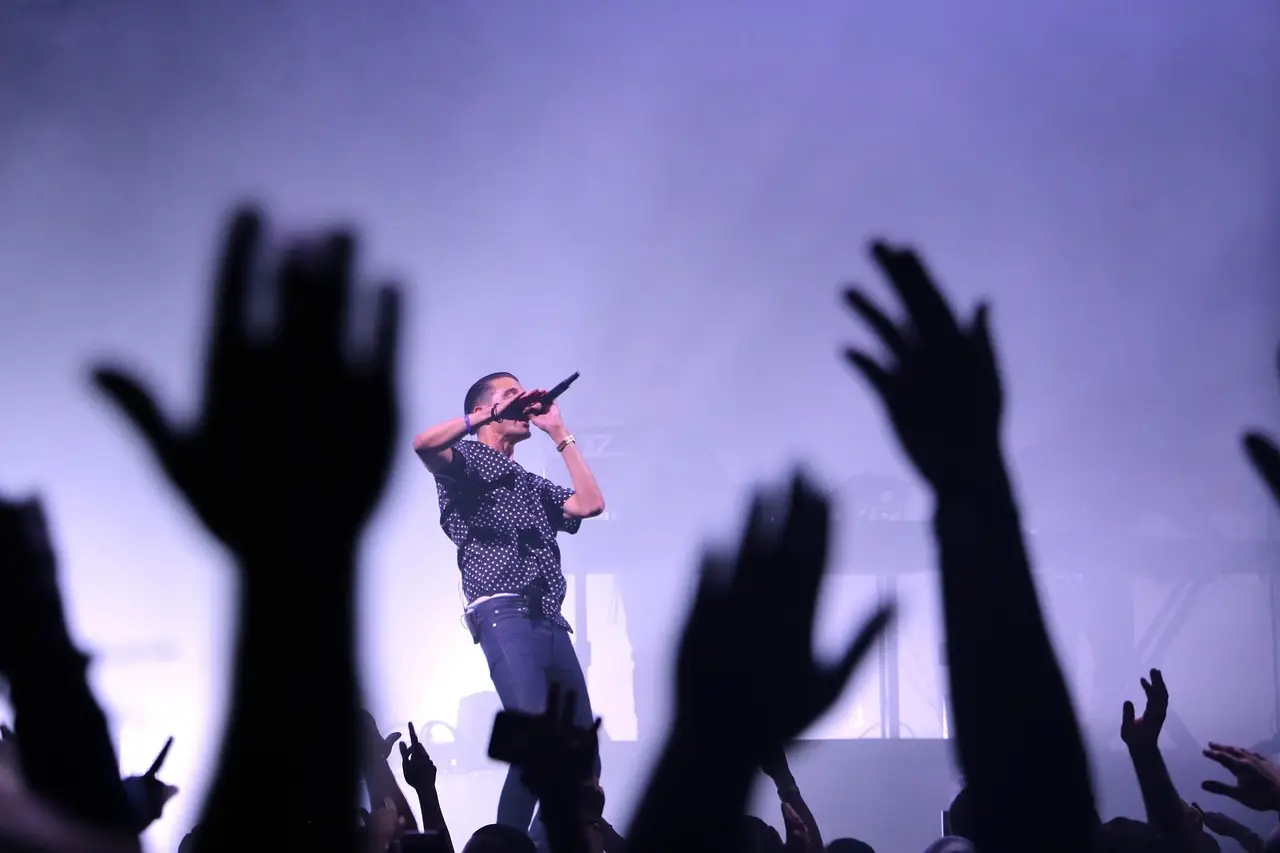
The Chicago rapper played the anniversary concerts at venues including the Red Hat Amphitheater in Raleigh, N.C. He did not perform the mixtape from start to finish. Instead, he folded other material from his career into the set, keeping the "Coloring Book" tracks as the centerpiece.
The reasoning is structural, not sentimental. Chance described the setlist-building process as a negotiation between two forces he named thematics and dynamics.
"Thematics is the thesis — what the show actually means," the 33-year-old Chicago rapper said of the tour. "Sometimes those two things fight each other. Dynamics wants a high-tempo banger in slot two, but thematics says you need a vulnerable story song to build the narrative."
What Made 'Coloring Book' Stage-Ready?
The source material carries a particular weight. "Coloring Book" fused gospel and hip-hop across genre-jumping tracks. The project highlighted Black joy and independence, and it produced what the rapper's own account calls lasting classics.
Those qualities — exuberance and a gospel-inflected sound — make the record a natural concert centerpiece on an anniversary tour. The exuberant tracks "naturally provide the centerpiece for performances" marking the release's 10th year, according to the tour's framing.
Yet the record alone could not carry a 2026-era setlist. The practical task, as Chance laid it out, was weaving newer music into the list. Two constraints shaped that work:
- Holding onto the whimsicality he flexed at 23, when the mixtape first appeared.
- Exhibiting the seasoning of an added decade of living, now that he is 33.
How Did the Setlist Take Shape?
The concerts open with intent. "All We Got" served as the starting point of the Raleigh set, the first track positioned to launch the show's arc.
From there, the sequencing followed the thematics-versus-dynamics calculus. The quote above captures the tension in concrete terms: dynamics pulls toward a "high-tempo banger in slot two," while thematics demands a "vulnerable story song" to build the narrative.
In plain words: the show is built as an argument, not a tracklist replay, and each slot serves either energy or meaning.
Chance discussed the process in comments edited and condensed for clarity, walking through how the setlist evolved and played out at the Raleigh concert.
Why Not Play the Album Straight Through?
The full-album anniversary concert has become a standard touring format. Chance declined it. He opted not to play the release front to back, choosing instead to incorporate other material from his career into the concerts.
The decision reflects his stated framework. A straight run-through would satisfy dynamics — the record's sequencing already works. But it would leave no room for the newer music, and no room for the perspective of the artist performing it a decade later.
Ten years separate the recording artist from the touring one. The anniversary tour, as Chance frames it, is the story of both, with "Coloring Book" as its thesis.
The takeaway: the tour treats the mixtape as a foundation, not a script.
Source: NYT Arts
More from Elena Vasquez
Show full bio
Senior reporter covering technology and product news in arts in the broadest sense at Arts & Voices.
1,158 articles