Child Review: Luxembourg Horror Mines Organ-Trade Dread
Luxembourg horror Child sends a fractured couple to a Bulgarian-speaking black market for a life-saving organ. The Guardian praises the film-making behind this twisty fable.
Programme
- Child is a Luxembourg-made horror film reviewed by the Guardian on 29 September 2026
- It stars Malik Zidi, Brigitte Urhausen and Leo Todesco as a family seeking a black-market organ transplant in an unnamed Bulgarian-speaking eastern European country
- The Guardian's critic praises the film's 'impressive film-making' while comparing it to a 'Grand Duchy Chainsaw Massacre'
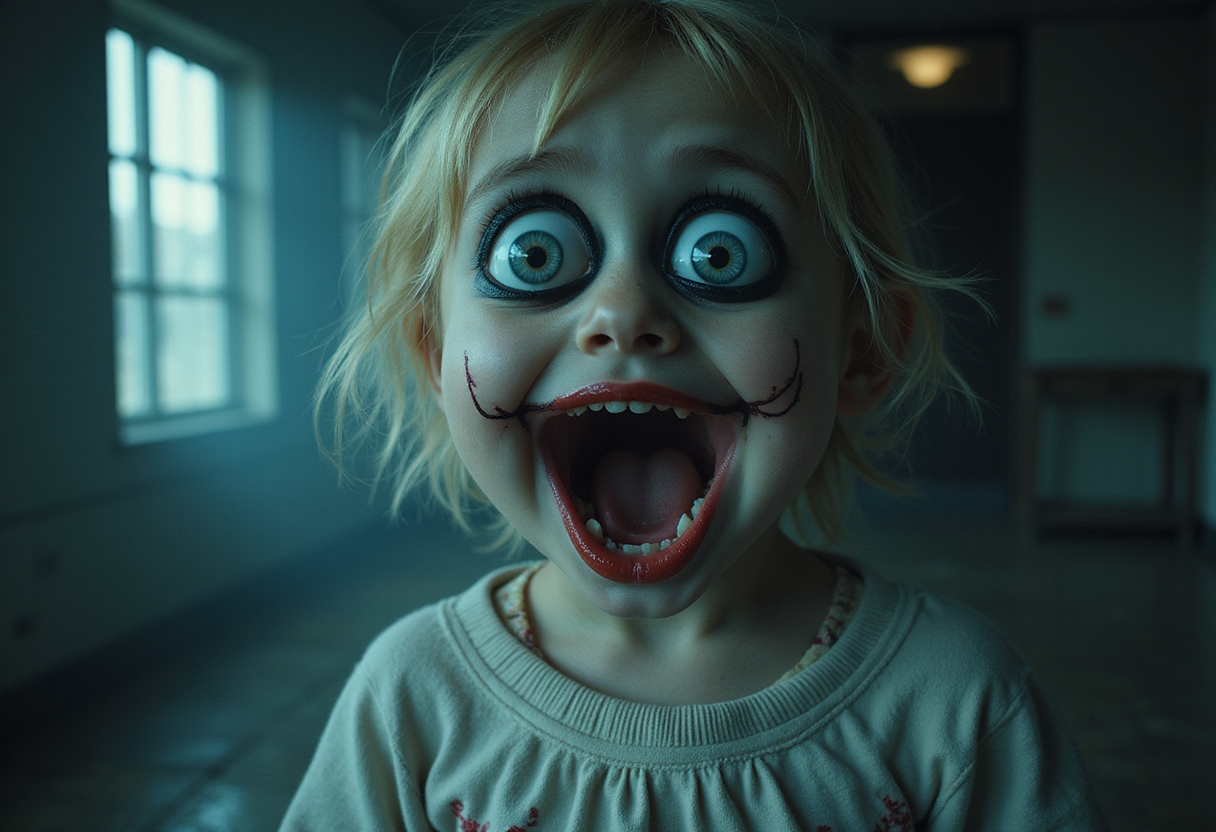
Child, a Luxembourg-made horror film about a couple travelling east to secure a black-market organ for their dying son, delivers confident film-making, jump scares and a plot that keeps twisting, according to a review published by the Guardian on 29 September.
The film's premise is blunt. Former couple Greg (Malik Zidi) and Anne (Brigitte Urhausen) co-parent Leo (Leo Todesco), a pre-adolescent lying in a hospital bed while waiting for a crucial organ transplant. Before that stakes-setting is complete, the film reveals its central fault line: control-freak Anne blames likable doctor Greg for Leo's condition, because he looked away just long enough for the boy to be hit by a car.
Greg tries to make amends. He accompanies his ex to an unnamed eastern European country — where the locals speak Bulgarian — to acquire the organ Leo needs on the black market. The Guardian's critic notes that the couple's "glide path" is "lubricated with lots of cash and pre-arranged bribes to border guards and the like."
The reviewer frames the film as a pointed political fable as much as a genre exercise. Child is, in the critic's words, "stippled with first-world guilt about income inequality even between fellow EU member states," and it "sprinkles a bit of liberal fairy dust" over an otherwise conventional horror setup: "a grunting, inarticulate and physically disfigured big baddie stalks the normie protagonists who shouldn't have come round these impoverished parts."
The comparison the critic draws is pointed: "Think Grand Duchy Chainsaw Massacre, though admittedly without any chainsaws." The inventory of genre furniture includes "sullen locals, a dilapidated farmhouse full of ominous clutter, ill intentions and horrible maiming."
What elevates the material, per the review, is execution. The critic credits the film with "some impressive film-making," and singles out the structure — the delayed revelation of the accident that split the couple, the gradual tightening of the stalk-and-slay mechanics — as evidence of a director in control of tone.
The performances anchor the fable. Zidi's Greg carries the sympathy vote as the contrite doctor; Urhausen's Anne hardens into the story's engine of guilt and control. Young Todesco's Leo, confined to his hospital bed for much of the running time, functions as the moral pretext for everything the adults do — and pay for.
The review positions Child as part of a broader wave of European horror using genre machinery to interrogate wealth gaps inside the EU itself. The unnamed Bulgarian-speaking country stands in for the poorer east that rich westerners exploit at their peril; the organ trade is both literal plot device and blunt metaphor.
For audiences weighing a viewing, the Guardian's verdict is mixed but engaged: the politics are sincere if somewhat self-congratulatory, while the horror craft — the jump scares, the maiming, the disfigured pursuer — is delivered straight. The twists keep coming, and the film keeps its genre heart beating even as it wrings its hands.
Child now joins the slate of Luxembourg productions punching above the Grand Duchy's size in genre cinema — a small national industry that continues to export films capable of competing for festival slots and international reviews.
Source: Guardian Film
More from Tom Whitfield
Show full bio
Market editor covering industry trends and analytics at Arts & Voices.
204 articles