The Body review: Satanic school drama set on Halloween 2004
Netflix’s The Body turns a 2004 Halloween party at a Catholic school into a contest of status, faith and supernatural danger, with Lisbeth outside and Grace comatose.
Programme
- The Guardian reviewed Netflix’s The Body on 13 November 2026.
- The story is set at St Mark’s Catholic school on Halloween 2004.
- Anya (Kristina Bogic) and Elise (Sara Boustany) lead the Lions dance troupe.
- Lisbeth (Geena Meszaros) attends a party at an abandoned convent nicknamed Devil’s House.
- The ritual leaves Grace (Sofia Wylie) comatose while the Lions experience hallucinations and seizures.
Daniel Okafor
The Guardian’s review of Netflix’s The Body fixes the scene: St Mark’s Catholic school on Halloween 2004. The review appeared on 13 November 2026. It describes the new YA drama (a production for young adults) as gleefully camp and a coming-of-age tale (a story about growing up).
The review calls it a sexy, retro high-school drama. It compares The Body with Cruel Intentions, adding Satanic rituals to school desire, exclusion and religious authority in a combination that upends the school’s hierarchy. The review notes abundant references to 2004. Those period markers support the plot’s hierarchy, not merely its period setting.
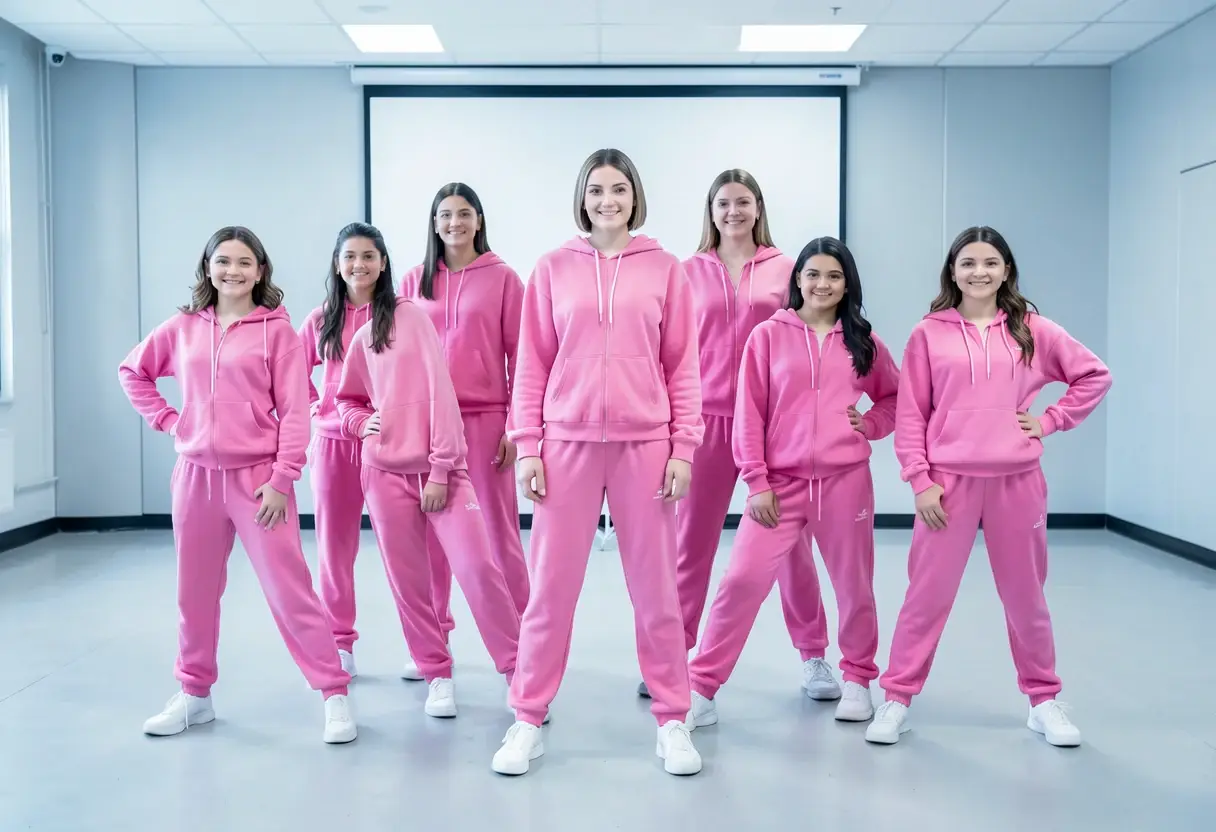
The review presents the social hierarchy as expected. Anya and Elise lead the Lions, the school’s dance troupe. Kristina Bogic plays Anya. Sara Boustany plays Elise. They are best friends. The review also gives their relationship sexual chemistry. The school’s resident outcasts are Lisbeth and Leo. Geena Meszaros plays Lisbeth. Jackson Kelly plays Leo.
The siblings were previously homeschooled. They live a constrained existence with their unwell mother. Leo initially reads as harmless, though his disturbing drawings complicate that judgment. The review calls Lisbeth a classic loser, desperate to ingratiate herself with the cool crowd.
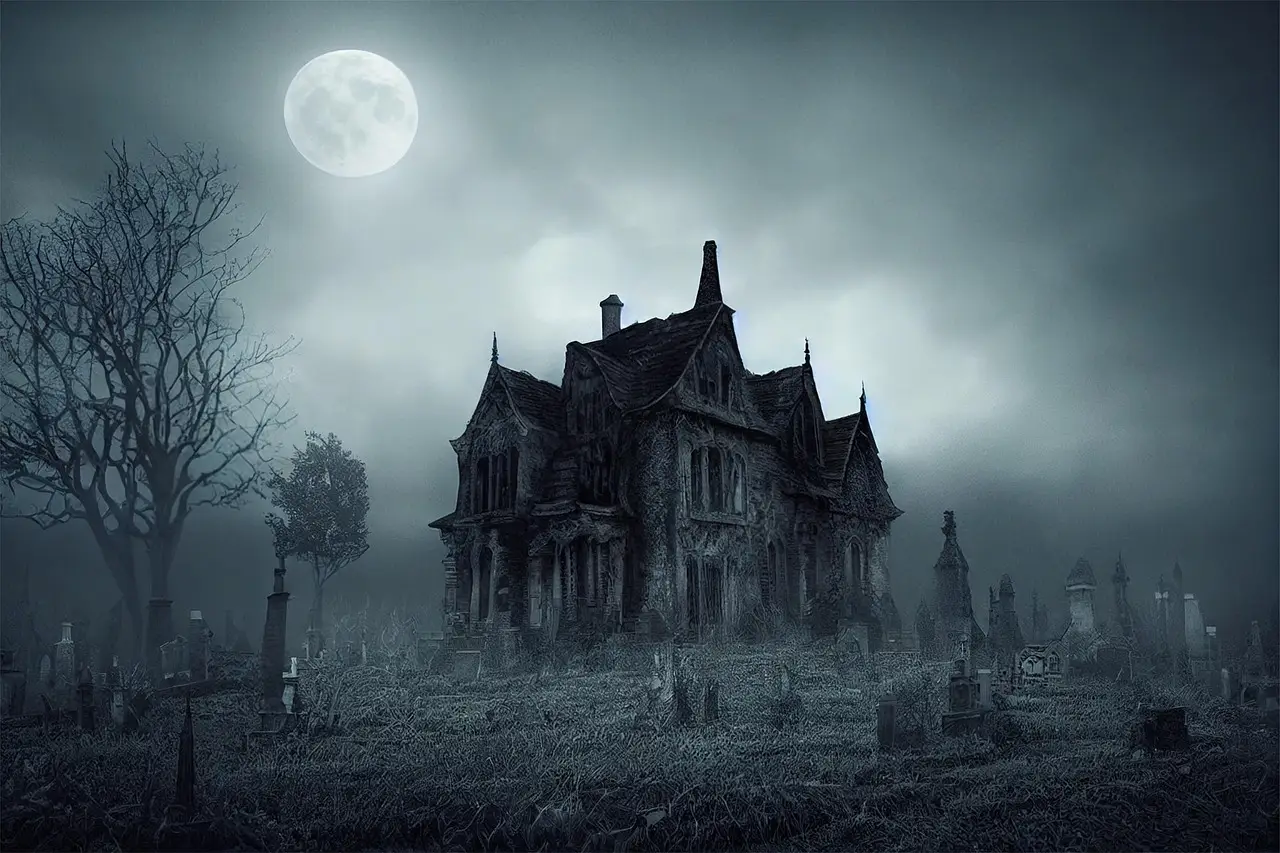
Lisbeth receives an invitation to a Halloween party at an abandoned convent nicknamed Devil’s House. The dress code is deliberately raunchy. Lisbeth responds in a costume the review calls “Slutty God.” The joke marks her outsider status. Then Grace, played by Sofia Wylie, takes a free place on the Lions dance team.
Grace is devout. She is also the school priest’s niece. Those facts connect her to the institution that, in the review’s premise, rivals the judgment of a teenage girl. Lisbeth’s disappointment therefore extends beyond a dance team. The conflict joins school hierarchy, religious authority and personal humiliation.
At the party, an ecstasy-fuelled initiation ritual—a ceremony that tests entrants—becomes a Satan-baiting exercise, deliberately provoking the devil and turning the gathering into collective crisis. The sequence leaves Grace comatose (in a coma). The Lions experience hallucinations and seizures. That night upends the school’s equilibrium.
The hierarchy turns ritual into a gate. Lisbeth gets an invitation; Grace gets the free Lions place. Family and faith have already secured Grace’s position.
How does judgment drive the drama?
The Guardian calls the tone “gleefully camp from the off,” meaning knowingly exaggerated and theatrical. That mode can treat a Satanic rite as school melodrama without losing the stakes. The sexual charge between Anya and Elise, Lisbeth’s outsider ambitions and Grace’s collapse share the same heightened tone. The joke is pointed, not decorative.
The cast gives each role a clear function. Kristina Bogic’s Anya and Sara Boustany’s Elise personify the troupe’s confidence and erotic tension, while their shared command of the dance hierarchy sharpens Lisbeth’s exclusion. Geena Meszaros’s Lisbeth carries the desire for inclusion. Jackson Kelly’s Leo brings the disturbing visual clue. Sofia Wylie’s Grace connects school prestige, a priest’s niece and bodily vulnerability.
The early test for The Body is whether it can develop this hierarchy beyond the party set piece, a self-contained dramatic sequence. Lisbeth’s outsider status, Grace’s privileged position and the Lions’ collective collapse supply a firm structure. If the series keeps the focus on school power and adolescent cruelty, its 2004 references can remain active rather than merely retro dressing.
Source: theguardian.com
More from Daniel Okafor
Show full bio
News editor covering companies, deals and strategy in arts in the broadest sense at Arts & Voices.
1,316 articles