Complexions to Open Season With Carmen de Lavallade Tribute
Complexions opens its November 17 season with “Suite de Lavallade,” a six-movement tribute to Carmen de Lavallade created by Dwight Rhoden for one night at the Joyce Theater.
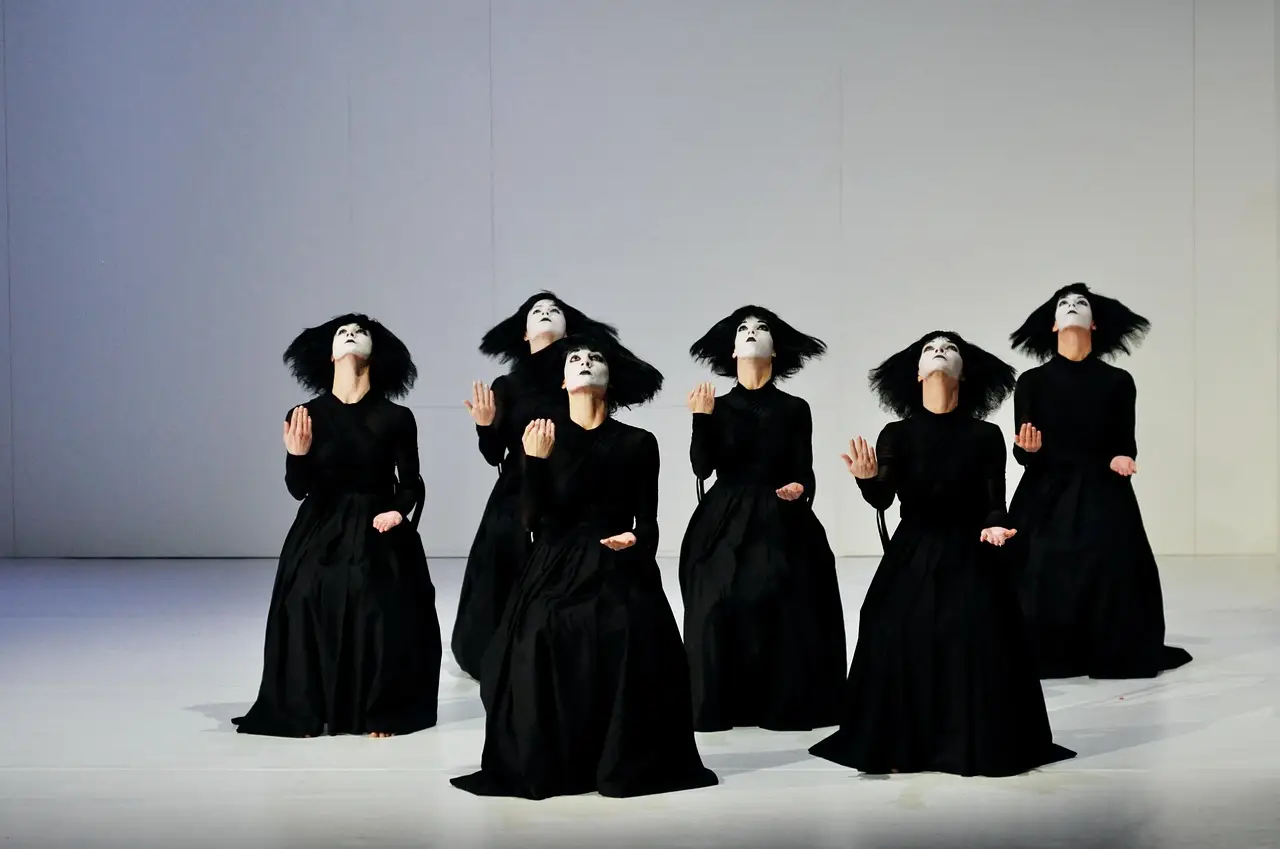
Programme
- November 17: Suite de Lavallade opens Complexions’ season at New York City’s Joyce Theater in a one-night-only tribute.
- Six movements: The suite combines new solos and duets with excerpts from Snatched Back from the Edges, It All and Imagine Joy.
- 1931–2025: Carmen de Lavallade was a founding member of Alvin Ailey American Dance Theater and later advised Complexions from 1994.
- 32 years: Rhoden said de Lavallade supported Complexions and served as its artistic advisor from its founding.
- Eight years: Desmond Richardson returns to performance for Suite de Lavallade.
By Grace Kim
Complexions Contemporary Ballet opens its season at New York City’s Joyce Theater on November 17 with Suite de Lavallade (in 6 movements), a one-night-only tribute to Carmen de Lavallade. Pointe Magazine reports that co-founder Dwight Rhoden’s suite shares the bill with his world premiere (a first public staging) of Stupid Love, set to music by English songwriter Sam Smith.
Carmen de Lavallade (1931–2025) was a modern-dance performer known for her stage versatility and offstage generosity. Pointe Magazine notes that December will mark one year since de Lavallade’s death in 2025.
Her career began with Lester Horton Dance Theater. She became a founding member of Alvin Ailey American Dance Theater, later performed as a principal dancer (one of a company’s leading dancers) with the Metropolitan Opera and as a guest artist with American Ballet Theatre.
Pointe Magazine also records that she choreographed for Dance Theatre of Harlem, PHILADANCO!, and Ailey. She served as an artistic advisor (a role advising a company’s creative work) to Complexions from its founding in 1994, and performed with the troupe, including in Rhoden’s 2001 It All.
Rhoden described de Lavallade as “a mentor, friend, and colleague for many years.” He said: “I met her back in Ohio, which is where I’m from.”
She was “extremely influential in my life” and “supported [our work with Complexions] for 32 years,” Rhoden said. “I wanted to honor the beauty, elegance, her theatrical chops—all those things inside her work that were so inspiring.” Rhoden’s “theatrical chops” refers to her command of stagecraft and performance.
An archival photograph in Pointe Magazine shows de Lavallade in a back attitude (a turned-out pose with one leg lifted behind) in the November 1959 issue of Dance Magazine. Zachery Freyman took the image, courtesy of DM Archives.
Rhoden’s tribute works by assembling pieces tied to de Lavallade’s life and career. Pointe Magazine lists the following sections:
- To Carmen: the full-ensemble opening, an excerpt from Snatched Back from the Edges.
- Come In: a brief dance interlude (a short passage between larger works) built around a poem Rhoden wrote and set to music. De Lavallade had hoped to recite it one day; Rhoden explained: “She loved it so much, I thought I would add it.”
- Swan Song: a new solo for original Complexions member Sarita Allen, performed to “The Dying Swan” with live accompaniment by cellist SUUVI.
- A duet (a dance for two) that de Lavallade is said to have loved, performed to the traditional hymn “Amazing Grace.”
- Solo: Complexions co-associate artistic director Joe Gonzalez performs to Donny Hathaway’s “For All We Know.”
- It All: Rhoden’s duet, originally created for de Lavallade and postmodern-dance artist Gus Solomons Jr., returns to the suite.
- All Love: the company closes with an excerpt from Rhoden’s Imagine Joy, set to Samuel Barber’s Adagio for Strings.
Rhoden said Swan Song is “about remembering Carmen and remembering that our time is precious, and it doesn’t last forever.” He said de Lavallade’s “elegance and grace” shaped the choreography, and called Allen a natural choice to perform it.
Pointe Magazine notes that Allen served as a longtime artistic advisor alongside de Lavallade. She observed de Lavallade’s work with Complexions from 1994 onward.
Complexions co-founder Desmond Richardson will perform for the first time in eight years for the suite. He called the return “second nature.” Richardson and Johnson, both original Complexions members, watched Rhoden create It All for de Lavallade and Solomons Jr.; years later, they are putting their own mark on the duet.
Richardson said the duet concerns “experience, and the trajectory of someone’s life. They know it all.” He calls It All cinematic, largely because of its arresting use of Björk’s “I’ve Seen It All.” He said: “It’s a theatrical piece that says so much.”
He added: “It’s really poignant at this particular moment that we have this opportunity to do it now in our maturity.” For Richardson, the duet also carries the history of its original performers into the present.
Rhoden and Richardson describe de Lavallade’s legacy as material for their own practice, not a subject confined to commemoration. Rhoden builds a suite around her example, while Richardson carries her teaching of character into It All.
Richardson recalled de Lavallade’s method for building a character onstage: “You have to create a backstory and understand that story fully in order for it to be fully realized to the audience.”
She also said: “When it’s real and comes across those footlights and breaks the fourth wall, then they’re inside with you.” The fourth wall is the imaginary boundary between performers and spectators.
What does the tribute change for Complexions?
The practical change is that de Lavallade’s repertory (the works a company performs), example and teaching move from oral memory into performed history. Rhoden’s suite places her remembered dances beside Allen’s new solo and Richardson’s return, making transmission itself part of the choreography.
Complexions follows the tribute with Stupid Love. That order gives Rhoden’s world premiere a direct test: can new work stand beside a suite built from a 32-year working relationship and a dancer’s sustained influence? The November 17 opening will show whether commemoration and invention form a coherent artistic statement.
Original: dancemagazine.com
More from Grace Kim
Show full bio
Correspondent covering technology and product news in arts in the broadest sense at Arts & Voices.
1,537 articles